Stay current with our airline news coverage.
MIAMI — For globe-trotters hoping their suitcase will emerge intact on the conveyor belt, Miami International Airport (MIA) has become a byword for baggage anxiety. New research places the South Florida mega-hub dead last among U.S. airports for lost luggage, and travelers are vocal about their grievances—from stolen carry-ons to bags marooned on the tarmac as flights speed off into the clouds.
Data That Put MIA in the Hot Seat
According to Airport Industry-News, “a packing and shipping industry company named Arka has released a new analysis of the airports where passengers are most likely to have their bags lost.” The study combined three metrics: overall passenger traffic, online searches for “lost and found,” and regional baggage mishandling rates. The findings were grim for Miami:
- 306 lost-and-found searches per million flights
- a regional mishandling rate of 5.5 per 1,000 passengers
Arka’s analysts adjusted search volume to reflect passenger numbers, highlighting airports where inquiries were “unusually high compared to traffic levels.” Miami’s ratio topped the chart, making it, as the report bluntly notes, the worst offender.
“The Worst Airport I’ve Ever Been To” — What Travelers Are Saying
Reddit threads read like cautionary tales. Forum user SayYesMajor vented:
“MIA is the worst airport I've ever been to. I was flying in, and they forced me to check my bag at the gate, and someone stole it off the carousel in Miami. Travelers, beware,” wrote SayYesMajor .
Another passenger, golfguy1313, watched helplessly from his window seat:
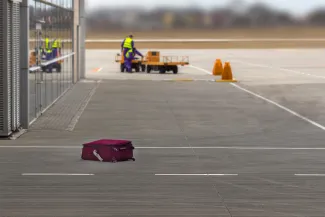
“Today I watched my bag sit on the tarmac as I took off from Miami to Belize. I am now on vacation with nothing,” wrote golfguy1313 .
Other commenters chimed in with resigned shrugs at MIA’s reputation:
“That's so frustrating. The Miami ground crews are the worst in the industry.”
“Miami…say no more.”
“It's Miami, so they likely just don't care. When I worked there, they would routinely break safety rules like parking vehicles under the airplanes' fuel vents or boxing in the fuel truck so it had no escape route. To say nothing of the time a baggage handler crashed into my fuel truck and then simply drove away while I waited to get checked out by paramedics.”
“I have to wonder how this happens. Did none of the bag loader employees notice one bag sitting there?”
Record-Breaking Passenger Volume
Despite the torrent of complaints, Miami International Airport remains an unavoidable gateway for Caribbean and Latin American vacations. The hub announced a record 55.9 million passengers in 2024, or about 152,800 travelers every day. Sheer scale, however, cannot shoulder all the blame. Arka’s methodology compares MIA’s search inquiries to similarly large airports, which signals a disproportionate baggage problem rather than a mere volume-related spike.
Behind the Numbers: Why Bags Go Missing
Industry veterans point to several factors that can conspire to separate travelers from their belongings:
- Short connection times: Miami’s sprawling terminals and frequent international connections may leave insufficient room for ground crews to transfer luggage.
- Weather disruptions: South Florida’s lightning-prone afternoons and hurricane season can slow ramp operations, creating backlogs.
- Labor turnover: Ground handling at large U.S. airports often relies on third-party contractors, and high turnover can mean inexperienced staff.
Still, the anecdotal evidence of lax safety culture—“they would routinely break safety rules,” one Reddit user claimed—suggests operational oversight remains a sore point for frequent fliers.
What Travelers Should Know
Whether your itinerary forces a connection in Miami or you’re starting a South Beach getaway, there are concrete steps to shield yourself from the lost-luggage blues.
1. Fortify Your Bag’s ID
Arka’s study may expose weak points, but personal diligence still pays off. Before departure, clearly label each bag with your name, phone number, and email address. Place a second card inside the suitcase in case exterior tags are torn away.
2. Embrace Smart Tracking
Slip a Bluetooth or ultra-wideband tracker into every checked item. “Then, slip a tracking device such as an Apple AirTag or Tile into each checked bag so you can monitor its location and know if it's delayed or sent to the wrong carousel,” the article advises. These coin-sized devices allow you to verify whether your luggage ever left the origin airport or is idling in a corner of MIA’s baggage hall.
3. Keep Irreplaceables in Your Carry-on
Passports, medications, electronics, and a day’s change of clothes belong in a cabin bag. As the original story underscores: “While you're at the airport, keep passports, electronics, medications, and other essentials in your carry-on.”
4. Hover at the Carousel
When the belt starts rolling, proximity matters. “At the baggage claim, stay close to the carousel, remove your bag quickly from the belt, and make sure the tag matches your claim ticket to avoid confusion or theft.” Quick retrieval can thwart opportunistic snatch-and-grab thefts.
5. File Immediately, Not Tomorrow
If your suitcase fails to appear, time is your ally. “Lastly, after you land, open your tracking app to confirm your bag made it to the carousel. If it's missing, file a report with the airline's baggage desk before you leave the airport.” Airline contracts often impose strict deadlines for compensation claims.
Beyond Miami: A National Snapshot
Arka’s data zeroed in on MIA, but travelers should note that mishandling plagues other busy hubs as well. Still, the 5.5 per 1,000 mishandling rate places Miami well above the U.S. average of roughly 0.7% reported by the Department of Transportation in recent monthly Air Travel Consumer Reports. The takeaway: diligence at any airport is prudent, but MIA warrants extra vigilance.
Potential Silver Linings
The uproar may spur improvements. Large airports often pivot quickly when reputational damage threatens tourism revenue. Miami-Dade Aviation Department has invested in modern baggage systems over the past decade, though no immediate comment was provided on Arka’s findings. Enhanced tracking—scanners that log each bag’s moment-by-moment location—could help Miami close the gap. Until then, passengers fly at their own risk.
Traveler’s Checklist for MIA
- Arrive early to allow for potential gate-check situations on packed flights.
- Photograph your bag before check-in. Visual proof helps expedite claims.
- If connecting, aim for layovers of at least 90 minutes to buffer against delays.
- Know the location of MIA’s Central Collection Point in case of lost items.
- Keep airline support numbers handy; hold times can be long during peak periods.
The Bottom Line
MIA’s sun-splashed terminals might be your doorway to Key West, the Caribbean or Latin America, but statistics and traveler testimonies paint a cautionary portrait when it comes to checked belongings. As one Reddit user lamented, “Miami…say no more.” Until the numbers improve, travelers should pack defensively, leverage tech tracking, and stay alert on the carousel. After all, a vacation should start with a welcome cocktail on South Beach—not a trip to the baggage office.
More travel news
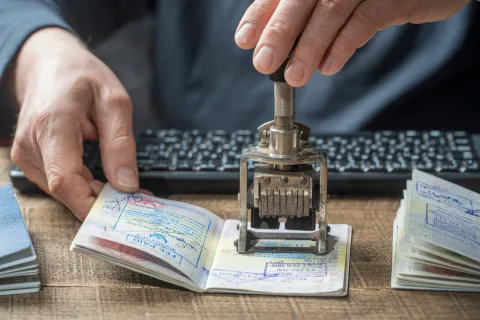
U.S. Customs and Border Protection to End Routine Passport Stamps
CBP announced routine passport stamping will end during primary inspection, with limited exceptions; foreign visitors can access admission and authorized-stay details through I-94 or CBP Link.
United Flight Attendants Can Refuse ICE Questions
Washington, United States - United flight attendants were told they may remain silent when ICE asks about passengers or coworkers as airport arrests increase nationwide.
Airlines Put Elite Status on a Higher Price Tag
NEW YORK, United States - Delta, United and other major airlines are raising elite status hurdles, leaving frequent flyers on discounted fares with less credit.

Carnival Rewards Sets Sail With Spending Based Status
Carnival Rewards ties cruise status to eligible spending while keeping separate recognition for lifetime sailing days.

About the Author

Bob Vidra
Bob Vidra is News Editor at Jetsetter Guide, covering airlines, airports and the travel industry since 2023.