Stay current with our airline news coverage.
Fuel Costs Spiked, Then Fell. Fares Didn't.
The fare surge this spring was driven by a sharp jump in jet fuel prices after the U.S.-Iran war and the closure of the Strait of Hormuz. Delta's fuel costs per gallon soared 75% in Q2, according to TravelPulse, squeezing margins and forcing airlines to pass along at least some of the pain to passengers. But here's where the story gets interesting: U.S. jet fuel prices have since fallen substantially, from well over $4 per gallon during much of the spring to an average of $3.10 currently, according to the same report. In past cycles, cheaper fuel often translated into lower fares as airlines competed for market share. Not this time, Bastian says. "U.S. airlines are likely to retain the airfare increases that they successfully implemented over the spring and early summer, even if fuel prices continue to moderate," he told investors, according to coverage from Travel Weekly.A Changed Competitive Landscape
Why the confidence that higher fares will stick? Bastian pointed to what he called a fundamentally different industry landscape. The discount and ultra-low-cost carriers that once forced the majors to cut prices during fuel downturns have lost much of that leverage. According to data cited by Travel Weekly, ultralow-cost carrier capacity is projected to be down 28.5% this quarter versus a year earlier, a dramatic contraction that removes the competitive pressure that historically kept fares in check. "The industry landscape has entirely changed," Bastian said, according to the same report. He added that Delta's strategic focus now is "finding ways to secure higher revenues, not higher market share," a telling shift in priorities that reflects the carrier's view that the market can sustain elevated pricing. Delta's own analysis suggests the low end of the U.S. market still needs to raise fares by roughly 5% just to break even, underscoring how much financial stress the discount sector is under. That's not a recipe for aggressive price competition.What the Numbers Say About Demand
Delta's Q2 results offer a snapshot of just how willing travelers have been to pay up. The 12% increase in yield came alongside strong revenue growth, which Delta characterized as evidence of robust demand. The carrier expects its jet fuel expenses in Q3 to be up around 40% year over year, still a significant cost headwind but a smaller increase than in Q2, according to the research provided. That declining fuel-cost trajectory would normally put downward pressure on ticket prices. Instead, the combination of weaker budget competitors, higher labor and airport costs, and sustained demand has given airlines room to keep fares elevated without losing bookings.Should You Adjust Your Booking Strategy?
For travelers, the takeaway is uncomfortable but straightforward: the 26.7% fare jump in May isn't likely to unwind anytime soon, even as the fuel crisis that sparked it fades into the rearview mirror. If you were waiting for a post-summer price correction before booking fall or holiday travel, Bastian's comments suggest that bet may not pay off. The structural changes Bastian described (higher labor costs, technology and aircraft expenses, weaker discount competition) aren't short-term phenomena. They point to a pricing environment where airlines feel less pressure to compete on price and more confidence in their ability to hold the line, even when their single largest variable cost moderates. That doesn't mean every route or fare class will stay frozen at spring peaks; airlines still adjust pricing tactically based on load factors and competitor moves. But it does suggest that the era of fuel-driven fare relief may be over, replaced by a model where ticket prices reflect the industry's view of what the market can bear rather than the current price of jet fuel. Corporate travel managers and budget-conscious leisure travelers will need to recalibrate expectations accordingly. If Delta's reading of the industry is correct, the window for cheaper flights has closed, and the 26.7% increase is the floor, not the ceiling.More travel news
United Resumes Twice-Daily Newark–Tel Aviv Flights
United’s Newark–Tel Aviv route is operating twice daily, and Delta’s JFK service has returned; United plans Chicago and Washington flights from October.

United Flight Attendants Can Refuse ICE Questions
Washington, United States - United flight attendants were told they may remain silent when ICE asks about passengers or coworkers as airport arrests increase nationwide.
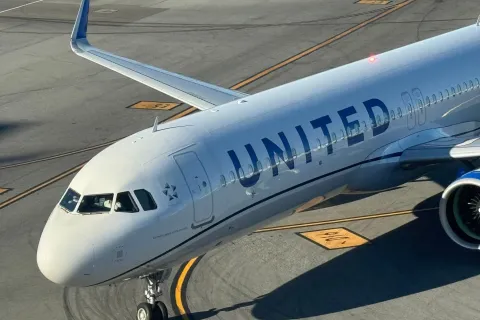
Airlines Put Elite Status on a Higher Price Tag
NEW YORK, United States - Delta, United and other major airlines are raising elite status hurdles, leaving frequent flyers on discounted fares with less credit.

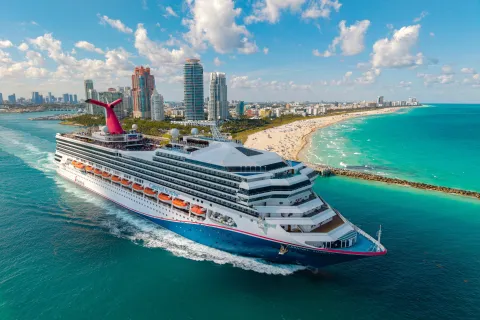
Carnival Rewards Sets Sail With Spending Based Status
Carnival Rewards ties cruise status to eligible spending while keeping separate recognition for lifetime sailing days.
About the Author

Bob Vidra
Bob Vidra, based in scenic Tahoe, is an esteemed tech editor known for his deep understanding of the dynamic intersection of technology, travel, and the outdoors.