Stay current with our travel industry news coverage.
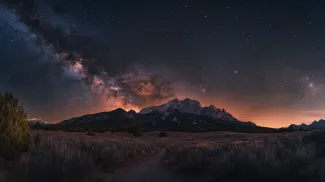
DENVER, Colorado - Colorado has formalized its reputation as a premier destination for celestial viewing, launching a comprehensive Stargazing Trail that connects visitors to some of North America's darkest, most pristine night skies. The initiative maps a clear route to the state's 13 Dark Sky Parks certified by DarkSky International, along with eight designated Dark Sky Communities, transforming what was once a constellation of scattered sites into a cohesive, family-friendly travel experience.
For travelers who've grown accustomed to light-polluted urban horizons, the promise is striking: skies so clear that the Milky Way isn't just visible but arresting, planetary detail sharp enough to inspire wonder in children and adults alike.
What Makes Colorado's Dark Sky Parks Unique
Dark Sky Parks, certified by DarkSky International, represent areas with exceptionally clear skies and minimal light pollution. The certification isn't cosmetic; DarkSky International works with physicists and astronomers to identify and protect locations where celestial observation reaches its full potential. As of 2026, the organization has identified over 250 Dark Sky Parks around the world, according to TravelAwaits.
Colorado claims 13 of those certified parks, a concentration that reflects both the state's high-altitude geography and its commitment to preserving night-sky quality. The new trail offers a state-wide road trip framework that makes it practical to visit all 13 Dark Sky Parks, transforming a logistical challenge into a curated itinerary.
Beyond the certified parks, the trail incorporates eight Dark Sky Communities, towns and municipalities that have adopted lighting policies to reduce sky glow. The distinction matters for travelers planning multi-day stays: these communities offer lodging, dining, and services without sacrificing the darkness that makes stargazing extraordinary.
Planning a Family-Friendly Stargazing Itinerary
The trail includes practical guidance tailored to Colorado's landscape, which hosts around 10,000 campgrounds statewide, according to TravelAwaits. The abundance of camping infrastructure means families can design itineraries that balance accessibility with immersion, choosing between developed sites near Dark Sky Communities and more remote locations within the parks themselves.
The state's resource also provides tips on major stargazing considerations: optimal viewing windows, seasonal visibility of constellations and planets, and how to navigate high-altitude conditions that both enhance sky clarity and demand preparation. For families traveling with younger children or older relatives, this level of detail transforms stargazing from an abstract ambition into something actionable.
What stands out is the scalability. A family with limited time might anchor a trip in one Dark Sky Community and explore nearby certified parks over a long weekend. Those with a week or more can trace the full trail, experiencing how sky quality shifts across elevations and ecosystems, from alpine meadows to desert plateaus.
Considerations for Multi-Generational and Accessible Travel
Not all stargazing destinations accommodate mobility challenges equally well. Colorado's mix of developed Dark Sky Communities and more rugged park sites means families traveling with seniors, young children, or individuals with accessibility needs will want to research specific locations carefully.
The inclusion of Dark Sky Communities is particularly valuable here. Towns with certified dark-sky status typically maintain paved roads, accessible lodging, and amenities that support travelers who can't venture deep into backcountry. Parks with visitor centers and designated stargazing areas often provide level ground and shorter walking distances, though this varies by location.
Families should also consider altitude acclimation. Colorado's elevation enhances visibility but can affect travelers unaccustomed to thinner air, particularly children and older adults. Building in rest days, staying hydrated, and choosing lower-elevation parks for the first night can ease the transition and ensure everyone enjoys the experience rather than endures it.
Why This Trail Matters Now
Dark Sky Parks have become a recognized travel commodity over the last decade, according to TravelAwaits, reflecting growing interest in astrotourism and nature-based wellness. Colorado's decision to formalize a trail responds to that demand while addressing a practical barrier: coordination. Stargazing sites scattered across a geographically vast state become far more accessible when mapped, contextualized, and supported by infrastructure guidance.
From a family travel perspective, the trail offers something increasingly rare: an experience that engages multiple generations without requiring niche expertise or expensive equipment. A telescope enhances the experience, but naked-eye stargazing under truly dark skies delivers impact that doesn't depend on gear. That accessibility, combined with Colorado's existing tourism infrastructure, positions the trail as a model other states may follow.
For wellness-focused travelers, the experience aligns with broader trends toward digital detox and immersive nature exposure. Stargazing demands patience, quiet, and presence; qualities that feel restorative in a travel landscape often optimized for overstimulation. The fact that Colorado has created a structured way to access these experiences, without commercializing them into theme-park versions of themselves, suggests a thoughtful approach to destination development.
The trail also offers educational depth. Parks certified by DarkSky International often host ranger-led programs, astronomy talks, and interpretive resources that transform a night under the stars into something more than passive observation. For families with teens or intellectually curious travelers, that layer of engagement can be the difference between a pleasant evening and a transformative one.
Practical Next Steps
Travelers interested in exploring Colorado's Stargazing Trail should begin by identifying which Dark Sky Parks align with their mobility, time, and interest levels. Those new to stargazing might prioritize parks near Dark Sky Communities, where lodging and services reduce logistical friction. More experienced travelers, or those seeking solitude, can venture into parks that require backcountry camping.
Timing matters. Summer offers warm nights but shorter darkness windows. Fall and spring provide longer viewing periods, though temperatures drop significantly after sunset at altitude. Winter stargazing is spectacular but demands cold-weather preparation that not all families will find practical.
Finally, check moon phases before booking. A full moon, while beautiful, washes out fainter stars and reduces the dramatic contrast that makes Dark Sky Parks special. New moon periods deliver the darkest skies and the most rewarding celestial displays.
More travel news
Colorado Storms Ground 400 Flights Stranding Tourists
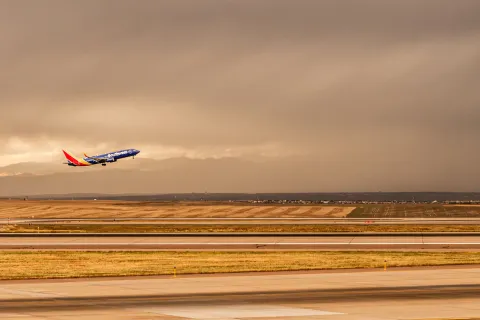
DENVER, Colo. - An FAA ground stop triggered by severe thunderstorms at Denver International Airport on May 27-28, 2026 delayed over 400 flights, stranding tourists and exposing the fragility of tight travel itineraries during Colorado's severe storm season.
Frontier Offers Free Perks for Spirit Flyers in Need
DENVER, Colorado - Frontier Airlines rolls out new bonus miles and free Discount Den enrollment to support stranded Spirit passengers and reward loyal flyers amid the ULCC market shakeup.

United Flight Evacuated at Denver After Bomb Threat
Denver, Colorado - A United flight bound for Washington was evacuated Sunday evening following a bomb threat, marking the airline's second security incident in two days.

Air Canada Warns US Travelers Amid Winter Chaos
TORONTO, Canada — Air Canada offers flexible rebooking at three major U.S. hubs as winter weather chaos triggers more than 7,000 flight disruptions nationwide on Monday.

About the Author

Jennifer Wilmington
Jennifer Wilmington is a distinctive voice in the world of family and luxury travel, offering unique perspectives derived from her diverse background and experiences.