Stay current with our travel industry news coverage.
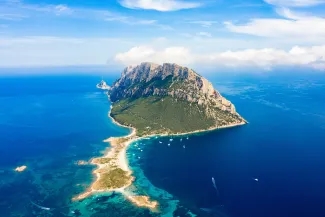
Delta's inaugural nonstop flight from New York JFK to Olbia touched down May 20, cutting more than four hours off the Rome connection Americans have endured for decades. It's a routing shift that finally puts Sardinia—Italy's second-largest island and one of the Mediterranean's most chronically overlooked destinations—within realistic reach of U.S. travelers. As Memorial Day weekend kicks off the Mediterranean's peak season, this is the moment to book: June rates are still accessible, water temperatures have climbed to a swimmable 72°F, and the agriturismos that anchor the island's culture haven't yet filled with the July rush.
While Amalfi, Cinque Terre, and Tuscany groan under overtourism, Sardinia remains curiously, almost stubbornly authentic. Its beaches rival the Caribbean in clarity, its Bronze Age ruins predate Rome by a millennium, and its food culture centers on working farms rather than Instagram-ready trattorias. This isn't a hidden gem; it's a sophisticated island with excellent infrastructure that Americans have simply never been able to reach efficiently. That calculus just changed.
Quick Facts
- Best Time to Visit: May–June and September for ideal weather and smaller crowds; July–August brings peak heat (95°F+) and Italian/German tourists
- Currency: Euro (€)
- Language: Italian official; Sardo dialects dominate inland; limited English outside coastal resorts
- Getting There: Delta's new JFK–Olbia nonstop (4x weekly, May–September); alternatives via Rome or Milan
Getting There & Getting Around
Delta's new JFK–Olbia service runs four times weekly through September on a Boeing 767-300ER, departing Sunday, Monday, Wednesday, and Friday evenings and arriving the next morning. According to current booking data, economy roundtrips for June and early July are pricing in the $930–$960 range when booked in advance, with one-way fares typically running $550–$900 depending on demand. Premium Select and Delta One cabins jump into the low thousands each way, but the time savings alone—direct versus a Rome connection with inevitable baggage anxiety—justify the slightly higher base fare for most travelers.
If you're not flying from New York, ITA Airways via Rome offers the most seamless alternative, with one-hour connections to Olbia, Cagliari, or Alghero. United's Milan route works as well. The key advantage: single-ticket bookings mean your bags transfer automatically, and EU passenger rights apply if connections are tight. Budget carriers exist but often route through secondary airports with long layovers.
On the ground, renting a car is non-negotiable. Sardinia's best beaches, nuragic sites, and agriturismos sit far from any bus line, and the coastal roads—while stunning—don't lend themselves to ride-sharing logistics. Olbia's airport hosts Hertz, Europcar, and Sixt; according to current aggregator data, expect to pay €40–80 per day for a compact manual in summer, with weekly rentals running €250–450. Automatic transmissions cost more and book out early, so reserve ahead. The drive from Olbia to Cagliari takes a deceptive 3.5 hours; coastal roads like the SS125 Orientale Sarda are narrow, winding, and slow despite breathtaking views. Budget extra time and fill the tank in larger towns.
Trenitalia's Olbia–Cagliari line exists (four hours, €15–25) but limits your coastal flexibility to the point of irrelevance. This is a car trip.
Where to Stay: Agriturismos Over Hotels
Sardinia's agriturismo culture is the island's secret weapon: working farms offering rooms or apartments, home-cooked dinners using estate produce, and an authenticity that standard hotels can't replicate. Current summer rates for mid-range agriturismos run €100–€160 per night for two people including breakfast, with many properties offering optional fixed-price dinners (€25–35) that showcase hyper-local cooking. This positions them competitively with three-star hotels but with exponentially more character.
Agriturismo Sa Mandra, a limestone farmhouse near Alghero, exemplifies the model: €85 per night, pecorino tastings from the estate's flock, and dinner service featuring house Cannonau wine and myrtle-braised lamb. It's 15 minutes to Spiaggia di Maria Pia and far enough inland to feel like rural Sardinia rather than a beach resort. Book dinner reservations at check-in; most agriturismos require 24 hours' notice and prepare only what they can source from the property that day.
If you want one coastal splurge, skip the €600-per-night Costa Smeralda resorts and aim for Boutique Hotel Nantis in Olbia's centro storico, currently around €140 per night with walking access to the port and old town. For a Cagliari base, the Marina district offers B&B-style hotels from €95, putting you within range of Bastione di Saint Remy and the seven-kilometer Poetto beach.
Booking strategy: Agriturismo.it and Agriturist.it list verified properties with transparent reviews and direct contact info. Airbnb exists but doesn't always capture the true agriturismos, which are regulated and inspected under Italian farm-stay laws. Confirm what's included—breakfast is standard, dinner is optional but often the highlight—and note that many properties have just three to six rooms, so they fill quickly in June and especially July.
What to Do: Beyond the Beaches
Start with context. Su Nuraxi di Barumini, Sardinia's only UNESCO World Heritage archaeological site, anchors the island's identity as something distinct from mainland Italy. The nuragic civilization built these massive stone towers—complex, conical structures without mortar—during the Bronze Age, more than a thousand years before Rome. According to the Fondazione Barumini, which manages the site, admission is €10 and guided tours (mandatory, about one hour) depart every 30 minutes. The site opens daily at 9 a.m., with closing times shifting seasonally from 5 p.m. in winter to 8 p.m. in summer; the last tour starts one hour before close. Go in the morning to avoid heat and get an English-language guide without waiting.
The beaches require their own hierarchy. Cala Goloritzé, accessible only by hiking trail or boat, features a limestone arch and gin-clear water that photographs like CGI. La Pelosa in Stintino charges a €3.50 entry fee to protect its dunes but delivers Caribbean-grade clarity. Spiaggia del Principe on the Costa Smeralda remains free and less scene-driven than neighboring resort beaches despite its pedigree. All three get crowded by midday in July and August; arrive early or go in June.
Alghero's Catalan quarter reveals the island's Spanish colonial past: walk the bastioni at sunset, when the light hits the defensive walls and the harbor below, then dine at Trattoria Lo Romani for a €35 tasting menu built around fregula with clams and bottarga (cured mullet roe). The Catalan influence shows up in street signs, dialect, and the Gothic architecture of the old town.
Gallura's wine country, centered on Vermentino whites, deserves at least one afternoon. Cantina Surrau offers tastings for €15 (book ahead) paired with pane carasau flatbread and local pecorino. The winery sits in rolling hills 20 minutes from Olbia, a landscape that feels more Provence than Italy.
Don't skip Cagliari. The capital lacks coastal glamour but delivers urban texture: climb to Bastione di Saint Remy for harbor views, explore the Museo Archeologico Nazionale (€7, excellent collection of nuragic bronzetti figurines), and take aperitivo in the Marina district as the city shifts into evening mode. Cagliari's Mercato di San Benedetto, Italy's largest covered market, is currently closed for renovation and operating from a temporary structure in Piazza Nazzari. It's open Monday through Friday 7 a.m. to 2 p.m. and Saturday until 3 p.m., closed Sundays. Go early for the full sensory experience: fish counters, cheese stalls, cured meats, and enough produce to build a beach picnic.
Eating Like a Sardinian
Sardinian food operates on a different wavelength than mainland Italian cuisine. Porceddu (spit-roasted suckling pig) appears at every agriturismo worth its salt, often cooked over myrtle wood for aromatic depth. Culurgiones—stuffed pasta crimped into intricate patterns—show up filled with potato, pecorino, and mint, a combination that shouldn't work but does. Seadas, fried pastries filled with pecorino and drizzled with honey, anchor the dessert course and taste like nothing else in the Italian canon.
The agriturismo advantage is structural: fixed-price dinners (€25–35) showcase ingredients the farm produces or sources within a few kilometers. At Sa Mandra, our meal included fava bean soup, myrtle-braised lamb, house Cannonau wine, and seadas—five courses for €30 per person, no menu, just what the kitchen prepared that afternoon. This isn't farm-to-table as marketing; it's how Sardinians have eaten for centuries.
Coastal seafood centers on fregola con arselle (toasted couscous with clams), bottarga over spaghetti, and ricci (sea urchins) if you're visiting in spring. Any beachfront trattoria will serve competent versions; look for places locals frequent rather than multilingual menus targeting tourists.
Cagliari's Mercato di San Benedetto remains the best source for cheese, cured meats, and picnic supplies despite its temporary location. Sardinians drink espresso standing at the bar; sitting costs more and marks you as a tourist. Bars charge €1–1.50 for coffee. Skip cafes near ports.
Practical Tips & Timing
Book now for June. Rates jump 30–40 percent after July 1, Delta's new route is already selling well for its inaugural weeks, and agriturismos have limited rooms that fill early. Current pricing for mid-range farm stays runs €100–€160 per night; that climbs to €130–€200+ in peak August, if you can find availability at all.
Weather-wise, May through June delivers ideal conditions: 70–80°F, manageable crowds, and beaches that haven't yet hit their July crush. July and August bring 95°F-plus temperatures and an influx of Italian and German tourists who've been coming here for decades. September offers a second window with warm water and post-summer calm, though some agriturismos start closing for the season by late month.
Language realities: Italian is official, but Sardo dialects dominate inland conversations. English works in coastal resorts and higher-end hotels but fails you quickly in agriturismos and small towns. Google Translate becomes essential, not optional. Download offline language packs.
Budget framework: €120–150 per day per person covers an agriturismo stay, shared car rental costs, meals, and site admissions. Splurge selectively on one coastal hotel night, wine tastings, and a nice seafood dinner in Alghero or Cagliari. The island rewards strategic luxury more than blanket spending.
What surprised me most: how profoundly non-Italian Sardinia feels. The food, language, landscape, and pace all operate on their own logic, distinct from the southern Italian template most Americans expect. Treat it as its own civilization that happens to use euros and you'll understand it better. If you've already done the Amalfi Coast and Tuscany circuit, Sardinia offers the reset: less polished, more authentic, and now, finally, mercifully direct from New York.
More travel news
See When Fall Colors Will Peak Across America
BOSTON, United States - The Farmers' Almanac has released its 2026 leaf-peeping map, giving travelers a nationwide timeline for planning fall foliage trips.
Ireland's US Travel Warning Shows How the World Views American Risk
Ireland's US travel advisory warns citizens about gun violence, healthcare costs, and extreme weather—revealing how other nations assess American risks most US
Yellowstone Tops Rocky Mountain Parks With 4.76M Visitors
ROCKY MOUNTAINS, North America - Five iconic parks along the 3,000-mile mountain chain welcomed record crowds in 2025, from Wyoming's thermal features to Alberta's alpine wilderness.
Morocco Eases Visa Rules as Tourism Surges in 2026
RABAT, Morocco - Morocco updates its visa and e-visa system on July 18, 2026, making entry smoother for international travelers as tourism numbers climb past 8.8 million visitors.
About the Author

James Anthony
James Anthony specializes in redefining luxury for the next generation.