Stay current with our cruise news coverage.
New Voyage and Expedition Products
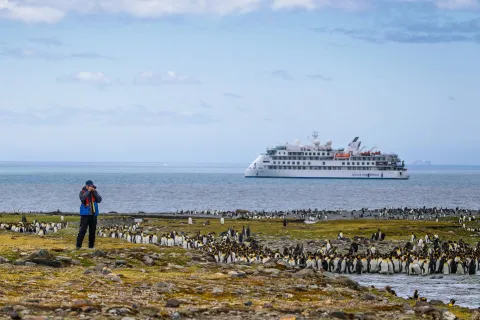
Among the new offerings is a Canadian Arctic voyage routed through the Northwest Passage, a historically significant and increasingly accessible corridor as summer sea ice extent continues to decline. The voyage fits into broader industry interest in itineraries that blend exploration history, indigenous engagement, and climate-related storytelling, themes that resonate with the demographic willing to commit deposits years ahead of departure. Quark is also introducing what it calls Expedition Extensions, pre- and post-voyage add-ons designed to deepen regional immersion and spread traveler spending beyond the ship. Details on specific extension destinations and pricing were not disclosed in the launch announcement. The company is launching a Guided Photography Program available across both the Antarctic 2028-29 and Arctic 2028 seasons. Each photography excursion is capped at 16 participants and will be led by onboard experts, according to TravelPulse. The program targets the overlap between serious amateur photographers and travelers seeking structured skill-building in environments where light, wildlife, and landscapes offer high reward but require technical competence and timing.Culinary and Science Partnerships
Quark is also relaunching Tundra to Table, a culinary experience developed in partnership with chefs from Greenland. The concept emphasizes regional ingredients and indigenous food traditions, aligning with a broader shift in expedition travel toward place-based storytelling that goes beyond wildlife and ice. The program aims to elevate onboard dining from utilitarian to experiential, a necessary evolution as expedition operators compete with luxury river and small-ship operators for the same high-net-worth clientele. The 2028-29 program allocates 470 cruise nights to research partners and field scientists, according to background materials provided by the company. While Quark has not detailed which institutions or projects will be involved, the partnership model allows operators to differentiate itineraries beyond hardware and destinations, particularly for travelers motivated by conservation, citizen science, or access to working researchers in the field.Why This Launch Timeline Matters
The decision to open bookings nearly five years out is a telling indicator of demand dynamics in polar expedition travel. Capacity in both the Arctic and Antarctic is capped by a combination of environmental protocols, limited port infrastructure, and the finite number of ice-class vessels capable of operating safely in these regions. As a result, lead times for high-demand departures such as South Georgia wildlife voyages or Emperor Penguin expeditions now rival those for African safari lodges or Galápagos liveaboards. For travelers, the early booking window creates both opportunity and risk. Those willing to lock in deposits years ahead secure access to limited berths and, in some cases, preferential cabin selection. But the timeline also increases exposure to currency fluctuations, personal schedule changes, and the always-present risk of itinerary modifications driven by ice conditions, weather, or geopolitical developments in the Arctic. The introduction of structured programs like the Guided Photography offering and curated extensions also signals maturation in the expedition cruise product. These are no longer simply transport platforms to remote locations. They are increasingly designed as immersive education and skill-building experiences, with pricing and programming that reflects that shift. Expect continued segmentation in the polar market, with some operators competing on hardware and luxury, others on science access and expedition pedigree, and still others on cultural depth and indigenous partnership. If you're considering a polar voyage in 2028 or beyond, the practical calculus is straightforward: book early if your dates and budget are firm, and prioritize operators with strong operational track records in ice, solid financial stability, and transparent policies on itinerary changes and refunds. The poles are not getting easier to access, and the window for these experiences, particularly in a rapidly changing climate, is narrowing in ways that go well beyond ship availability.More travel news
FAA Rule Clears First Class Cups Before Pushback
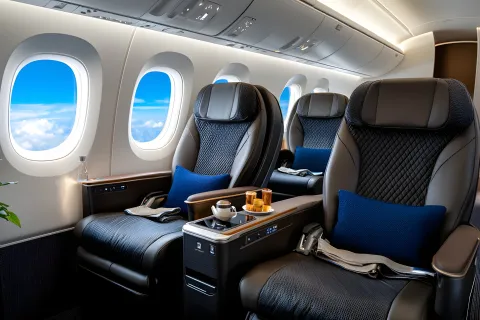
Washington, United States - Stricter FAA enforcement means airline-provided cups must disappear before pushback, complicating a familiar premium-cabin perk.
Study Debunks Radiation Cancer Claims About Aircrews
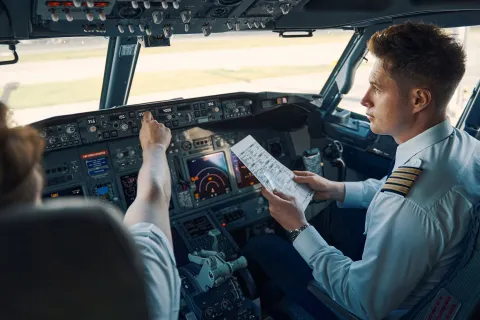
WASHINGTON, United States - Gary Leff challenges viral claims about flight crew cancer deaths, arguing that new mortality data show association without proving radiation caused the cancers.
$20000 Visa Bonds Put US Trips Out of Reach
WASHINGTON, United States - A permanent visa-bond program could put U.S. trips beyond reach for families and business travelers from 50 designated countries.

Pallone Demands Answers on Airline Surveillance Pricing
WASHINGTON, United States - Rep. Frank Pallone is pressing eight major U.S. airlines to explain whether personal data shapes fares, offers and online pricing.

About the Author
Jeff Colhoun
Jeff Colhoun is a photographer and filmmaker whose work has appeared in The Wall Street Journal, the Los Angeles Times, Matador Network and Barron’s.