Stay current with our cruise news coverage.
Photography as Gateway, Not Endpoint
"Photography turns exploration into curiosity, and curiosity allows for a deeper connection with a place or experience," said Max Lowe, according to Disney Parks Blog. That philosophy shapes the Yellowstone itinerary, which is structured around naturalist-style pacing, wildlife observation, and real-time mentorship rather than simply escorting guests to photogenic overlooks. Lowe, who received a National Geographic Young Explorers grant in 2012 to document wild landscapes and human narratives, brings a practitioner's sensibility to the trips. His work focuses on storytelling through visual media, and he frames the camera as a means of slowing down and noticing details that would otherwise vanish in the blur of typical park tourism. "I think of these trips as shared explorations rather than guided tours," Lowe said, according to Disney Parks Blog. "My goal isn't to stand in front of a group and lecture, it's to move through the landscape together, slowing down enough that people begin to notice things for themselves."Yellowstone as Living Classroom
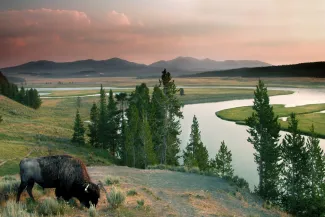
Established in 1872, Yellowstone National Park spans roughly 2.2 million acres across Wyoming, Montana, and Idaho. It sits atop a massive volcanic system and contains more than 10,000 hydrothermal features, including geysers, hot springs, mudpots, and fumaroles. The park regularly sees approximately 4 to 5 million visits per year in recent years, creating conditions where structured, expert-led experiences offer both educational value and relief from crowding. National Geographic Expeditions positions its trips around small group sizes, science-based interpretation, and conservation-aligned messaging. The Yellowstone offering incorporates hands-on photography instruction alongside geology, wildlife ecology, and cultural history. Participants learn not only how to frame a shot of Old Faithful but also why the Yellowstone supervolcano matters, how wolf reintroduction reshaped the park's ecosystem, and what responsible wildlife viewing looks like in practice. "With National Geographic Expeditions, guests benefit from real-time mentorship that goes far beyond camera settings," Lowe said, according to Disney Parks Blog.Expert-Led Travel in a Crowded Park
The initiative arrives at a moment when Yellowstone's popularity presents both opportunity and challenge. Annual visitation in the 4 to 5 million range strains infrastructure, concentrates crowds at iconic sites, and raises questions about how best to experience the park without contributing to overtourism pressures. Expert-led, education-focused expeditions offer one answer. By emphasizing interpretation over spectacle, and pacing over box-checking, these trips appeal to travelers seeking meaning and stewardship rather than simply accumulating park stamps. The presence of a recognized National Geographic photographer adds credibility and narrative weight, transforming the journey from a logistics package into a guided apprenticeship in seeing. For National Geographic Expeditions, the model aligns with broader trends in experiential travel, where affluent, conservation-minded travelers increasingly seek guides who can explain not just what they are looking at, but why it matters. The Yellowstone itinerary is designed to surface those connections: between hydrothermal features and volcanic forces, between wolves and willow growth, between photography and curiosity.Where This Leaves Safari-Style Thinking
The parallels to East African safari culture are clear. Just as seasoned guides transform a Serengeti game drive from checklist tourism into ecological education, Lowe's Yellowstone expeditions reframe the American national park as a space for naturalist-led immersion. The difference lies in accessibility; Yellowstone is far more crowded, and far more democratized, than private concessions in the Maasai Mara. Yet the hunger for expert interpretation, for someone who can read the landscape and slow the pace, remains constant. For travelers accustomed to safari-style guiding, this model will feel familiar: small groups, expert leadership, time to observe rather than rush, and a conservation ethic woven into the narrative. The shift is in setting. Yellowstone's geysers and grizzlies demand the same respectful distance, the same patience, and the same willingness to let someone who knows the land guide the experience. What National Geographic Expeditions is offering is not novel in concept but deliberate in execution: a chance to experience one of the world's most famous parks through the eyes of someone trained to notice, frame, and interpret what others might overlook. In an era when 5 million people pass through Yellowstone each year, that kind of guidance is increasingly valuable currency.More travel news
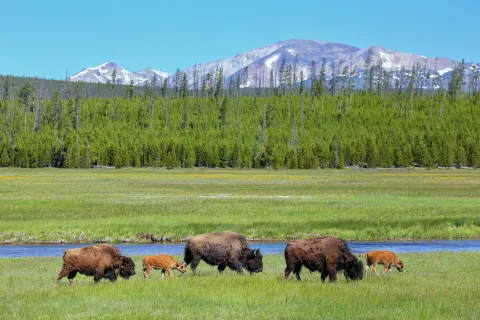
Yellowstone Tops Rocky Mountain Parks With 4.76M Visitors
ROCKY MOUNTAINS, North America - Five iconic parks along the 3,000-mile mountain chain welcomed record crowds in 2025, from Wyoming's thermal features to Alberta's alpine wilderness.
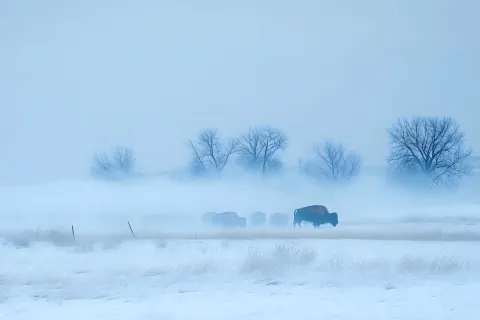
Yellowstone's Freak June Snowstorm Shuts Roads
YELLOWSTONE NATIONAL PARK, Wyo. - Rare summer snow shuttered high-elevation roads in America's oldest national park just before the July 4 weekend, catching visitors off guard.
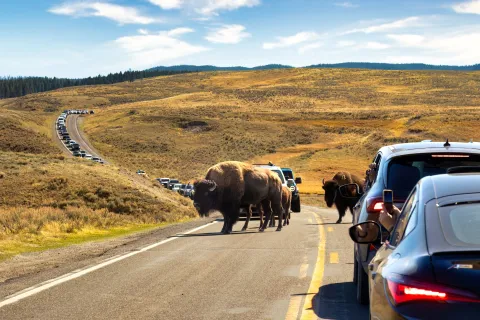
Yellowstone Tourons Risk Lives Approaching Wild Animals
YELLOWSTONE NATIONAL PARK, Wyo. - Tourists dangerously approaching bison and other wildlife have become so common that social media has coined a blunt term: tourons.
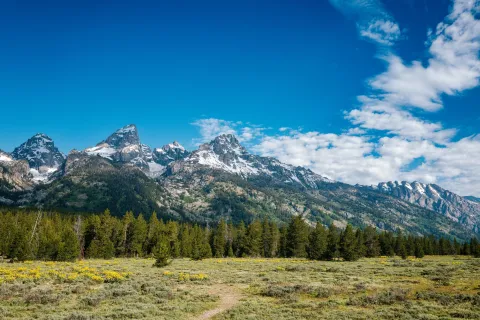
Tetons Become Your Wellness Sanctuary This Summer
Jackson Hole, Wyoming - Four Seasons Resort and Residences Jackson Hole launches curated summer wellness experiences that harness the Teton Range's natural majesty to foster balance and renewal.
About the Author
Wilson Montgomery
Wilson Montgomery is a British-born travel writer who has carved a niche for himself with his compelling narratives about African travel and safari experiences.