Stay current with our airline news coverage.
Uzbekistan Targets Budget Airlines as High Airfares Threaten Tourism Boom
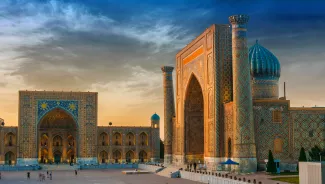
TASHKENT, Uzbekistan — You've finally convinced your friends to explore the Silk Road's turquoise domes and ancient madrasas, only to discover roundtrip flights cost nearly as much as a used car. That's the reality facing travelers to Uzbekistan right now, and the government's finally saying the quiet part out loud: airfares are too damn high. Deputy Prime Minister Jamshid Khodjaev announced on January 17 that Uzbekistan plans to step up efforts to attract low-cost airlines, a move aimed squarely at reducing airfares that entrepreneurs say are scaring off foreign tourists, according to Airlines. The acknowledgment came during an open dialogue between ambassadors and business representatives; think of it as the kind of meeting where people finally stop being polite and start getting real about what's holding back growth.The Real Cost of Visiting Central Asia's Hidden Gem
Tour operators didn't hold back. One entrepreneur laid out the math that's making travelers wince: flights to Uzbekistan can run $700 to $900, according to Airlines. Compare that to $50 to $100 for short hops to places like Georgia, and you start to understand why budget-conscious travelers are bypassing Samarkand for Tbilisi. But the sticker shock doesn't stop at airfare. Once you're on the ground, visiting 12 to 14 historical sites across Tashkent, Samarkand, Bukhara, and Khiva can cost about as much as your flight home, according to entrepreneurs who spoke at the January dialogue. Hotel prices aren't helping either; they're averaging $150 to $200 per night, according to Airlines. Add a 12 percent value-added tax on tourism services, and suddenly that Instagram-worthy trip to the Registan feels more aspirational than achievable. One tour operator made it plain: entrance fees to historical and cultural sites have become prohibitively expensive. These aren't just complaints from penny-pinchers; they're warnings from the people who actually bring tourists to the country and watch them balk at the bills.Why This Matters Now
The timing of Khodjaev's announcement isn't coincidental. Uzbekistan's been on a tear lately, posting a 50 percent increase in international visitors in 2025 compared to the previous year. The country rolled out visa-free entry for U.S. citizens (up to 30 days, implemented in early 2026), launched five weekly nonstop flights from New York's JFK to Tashkent via Uzbekistan Airways, and extended high-speed rail service to Khiva, cutting travel time from 14 hours to a much more reasonable 7.5 hours by mid-2026. There's been serious investment in hospitality infrastructure too. The massive Samarkand Silk Road complex, completed in 2024, sprawls across 640 acres. JW Marriott opened in Tashkent. Private carriers like Centrum Air are adding European routes; they're launching Tashkent-Frankfurt and Copenhagen flights in March 2026, with a fleet that's grown to 15 aircraft. All of this momentum makes the airfare problem even more glaring. You can't build world-class infrastructure and visa policies, then watch potential visitors get priced out before they even book.What Comes Next
Khodjaev's commitment to attracting low-cost carriers signals a shift in strategy, but there's no sugarcoating the challenge. Budget airlines need the right airport infrastructure, favorable regulatory environments, and passenger volumes that justify the routes. Uzbekistan's got some of those pieces; others are still works in progress. Meanwhile, Uzbekistan Airways has been trying to ease the pain on its end. New flexible domestic ticket rules went into effect in January 2026, and there's talk of better discounts on both domestic and international routes. The government has also set a goal to create an airline that provides domestic air travel for Uzbeks at affordable prices, though that's a longer-term play. The chairman of the Chamber of Commerce weighed in during the dialogue, and while specific remarks weren't detailed, the message was clear: high costs are eating into everyone's budgets, from international tourists to local businesses trying to grow.The Bottom Line for Travelers
If you've been eyeing Uzbekistan, don't shelve those plans just yet. The infrastructure improvements are real, the visa policies are genuinely welcoming, and the cultural payoff is enormous. But be smart about timing. Keep an eye on new route announcements from budget carriers; if this government push gains traction, we could see meaningful airfare competition within the next year or two. For now, flexibility is your friend. Consider booking that high-speed rail from Tashkent to Khiva instead of flying domestically. Look for hotel deals outside peak season. And maybe hold off on visiting all 14 historical sites in one trip; your wallet will thank you. Uzbekistan's got the bones of a world-class destination. Whether it can solve the affordability puzzle fast enough to capitalize on this tourism surge? That's the question Khodjaev and his team are racing to answer.More travel news
Paraguay Rises as 2026 Offbeat Travel Hotspot
ASUNCIÓN, Paraguay - Three under-the-radar countries are capturing global attention as travelers abandon overtouristed routes for authentic, uncrowded adventures.

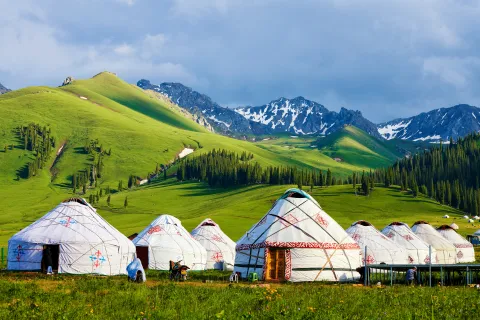
Kazakhstan Tourism Investment Soars 38% in 2025
NUR-SULTAN, Kazakhstan — Tourism investment jumped 38.1% to $2 billion as 12.1 million foreign visitors arrived, signaling Central Asia's largest economy is emerging as a regional travel hub.
Global Travel Crisis Strands Millions Across Continents
LONDON, United Kingdom - A convergence of severe flight disruptions, record heat across Europe, UK airport chaos, and tightening visa regulations created a sustained travel crisis through late June 2026, upending summer holiday plans.
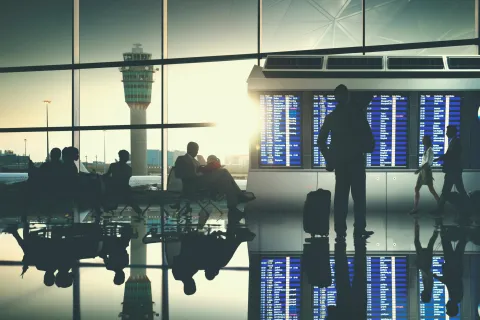
Sanctions Ground Fifth of Russian Aviation Fleet
MOSCOW, Russia - Nearly one in five aircraft across Russia's major carriers sits idle as international sanctions disrupt parts supplies and maintenance, with some leisure airlines grounding up to three quarters of their fleets.
About the Author

Andy Wang
As our Asia Editor and a first-generation American, Andy Wang brings a unique dual perspective to Jetsetter Guide.