Stay current with our airline news coverage.
United's Hub-Centric Network Collapses Under July 4 Weather
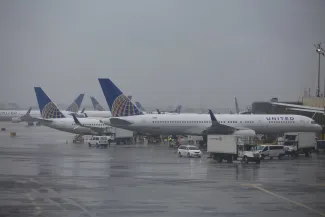
CHICAGO - United Airlines recorded the highest number of flight cancellations worldwide over the Independence Day weekend after a Federal Aviation Administration ground stop paralyzed operations at Chicago O'Hare International Airport, its largest hub, according to Reuters. The carrier scrapped more than 100 flights on Saturday, July 4, and continued to lead global cancellation tallies into Sunday morning as the disruption rippled across its network. The ground stop at O'Hare, triggered by severe summer thunderstorms moving through the Chicago area, effectively halted departures and constrained arrivals at the airport, turning it into one of the most operationally disrupted facilities globally during the peak holiday travel period. Because United operates O'Hare as its primary hub, the weather event didn't just strand passengers in Chicago; it severed connections across the airline's domestic and international route structure, leaving aircraft and crews out of position and creating a cascade of downstream cancellations. In response to the operational meltdown, United issued travel advisories and flexible rebooking options for passengers at seven airports, extending the disruption's footprint well beyond the Midwest. The carrier had earlier in the week issued airspace warnings for three of its major hubs in anticipation of July 4 fireworks celebrations, but the combination of planned restrictions and unplanned severe weather proved overwhelming for the network.Seven East Coast Airports Under Advisory
United's travel waivers covered multiple East Coast facilities where the carrier maintains significant operations, allowing passengers to rebook without change fees or fare differences as the airline struggled to restore normal service. The advisories reflected the reality that weather disruptions at a single hub don't stay local in hub-and-spoke networks; they propagate outward, grounding flights at spoke airports that depend on connecting aircraft and crews from the affected hub. The operational breakdown unfolded against a summer characterized by volatile weather patterns, tight airport capacity, and persistent staffing constraints across the U.S. aviation system. While other major carriers, including American and Delta, also experienced delays and some cancellations during the holiday weekend, United's hub concentration at O'Hare made it disproportionately vulnerable. When weather shuts down a primary hub, airlines with diversified networks can reroute traffic; carriers heavily dependent on a single facility have fewer options. United's position atop the global cancellation leaderboard through Sunday morning underscores the fragility of hub operations during severe weather. The FAA ground stop at O'Hare wasn't unique; thunderstorms regularly disrupt airports across the United States during summer months. What distinguished this event was the timing, coinciding with one of the year's busiest travel weekends, and the concentration of United's operations at the affected airport.The Vulnerability of Hub Dependence
For travelers, this episode is a clear illustration of systemic risk in modern airline networks. United's operational model relies on efficiently funneling passengers through a handful of major hubs; when one of those hubs goes offline, the entire network feels the shock. O'Hare isn't just another airport for United; it's the linchpin. A multi-hour ground stop there doesn't just delay Chicago departures, it orphans aircraft in dozens of cities, strands crews away from their next assignments, and breaks the tightly choreographed ballet of connections that keeps a hub system running. The carrier's decision to issue advisories for seven airports, rather than limiting waivers to O'Hare, signals that United understood the scope of the problem. Passengers booked through Newark, Washington Dulles, and other East Coast stations found themselves caught in the aftermath of a Midwest weather event, their flights cancelled not because of conditions at their departure airport but because the aircraft they needed was stuck in Chicago or the crew was out of duty time. This isn't new. Hub-dependent carriers face this calculus every severe weather season. What's changed is passenger tolerance. After years of irregular operations, staffing shortages, and weather-driven cancellations, travelers are less willing to accept disruption as inevitable. The July 4 weekend meltdown will cost United not just in rebooking fees and hotel vouchers but in customer trust, particularly among business travelers and frequent flyers who expect reliability during peak periods. The practical takeaway for anyone booking through a hub-dependent carrier during summer months is straightforward: pad your schedule. If you're connecting through O'Hare, Newark, or any major hub between June and September, severe weather is a material risk. Book the first flight of the day when possible; it's less likely to be delayed by upstream disruptions. Avoid tight connections. And if you're traveling for something that can't be missed, consider paying for a refundable ticket or travel insurance that covers weather-related cancellations. United's operational recovery from this weekend will take days, not hours. Aircraft and crews are scattered across the system, and the airline will need multiple clean operating days to reposition assets and restore schedule integrity. Passengers booked on United through midweek should monitor flight status closely and be prepared for residual delays and cancellations as the carrier works through the backlog. The July 4 ground stop is over, but its operational shadow will linger across United's network well into the week ahead.More travel news
California Joins Five States on United Boeing Crisis
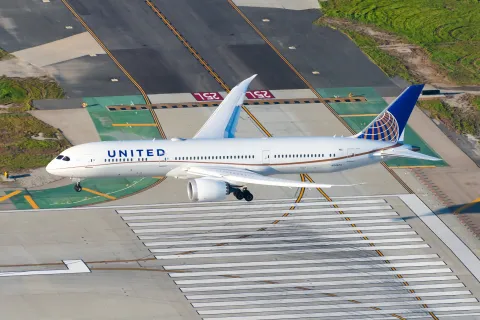
CHICAGO, United States - United Airlines' flagship Boeing 787-9 with redesigned premium cabins suffers chronic breakdowns, disrupting long-haul service from major hubs including California, Texas, Washington, Illinois, Colorado, and Florida.
United Pilot Sues Marriott Over Bat Bites at Denver Hotel
DENVER, Colo. - A commercial airline pilot is suing Marriott after being bitten by bats in his Sheraton room, facing six-figure medical bills and an allegedly dismissive corporate response.

United Rewards Passenger 98K Miles for Flight Delay
BOSTON, Mass. - One traveler's six-figure mile haul at Boston Logan shows the hidden power of overbooking auctions for passengers who play their cards right.
Unruly Passenger Forces United 777 to Divert to Tokyo
Tokyo, Japan - A United Boeing 777 bound for San Francisco made an unscheduled landing in Narita after cabin chaos escalated, with police removing a passenger and maintenance delaying the flight nearly five hours.
About the Author

Jeff Colhoun
Jeff Colhoun is an acclaimed travel writer, photographer, and filmmaker, whose work is respected both in the United States and internationally.