Stay current with our airline news coverage.
TSA Now Shares Passenger Data With ICE for Deportation Operations
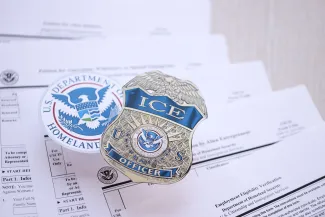
WASHINGTON — The Transportation Security Administration has begun sharing airline passenger name lists with Immigration and Customs Enforcement multiple times per week, enabling ICE agents to identify and detain travelers targeted for deportation at U.S. airports, according to reporting by The New York Times. The data-sharing arrangement, which reportedly began in March 2025, represents a significant shift in how passenger screening information is used. TSA typically collects traveler data, including full names, dates of birth, and gender, solely for security vetting and watchlist screening. That information is now being routinely funneled to ICE for civil immigration enforcement purposes.How the System Works
Under the current process, TSA compiles lists of upcoming and recent air travelers across the United States and transmits those lists to ICE several times each week. ICE agents then cross-check the names against the agency's own database of individuals with outstanding removal orders or those otherwise flagged for deportation. When a match is identified, ICE can dispatch officers to the relevant airport to detain the individual as they attempt to travel. A former ICE official cited in the Times investigation said that in at least one region, approximately 75 percent of flagged cases resulted in arrests. This is not a targeted operation focused on high-risk individuals. It's a dragnet that sweeps every passenger flying domestically or internationally through a secondary immigration enforcement filter.Real-World Impact on Travelers
The policy has already resulted in arrests at major U.S. airports. One case highlighted in the reporting involves Any Lucía López Belloza, a 19-year-old college student who was arrested at Boston Logan International Airport on November 20 while attempting to board a domestic flight to Texas to visit family. She was subsequently deported to Honduras. For travelers, the implications are clear: booking a flight now triggers an automatic review by immigration authorities, regardless of citizenship status, visa compliance history, or the nature of the trip. Legal permanent residents, visa holders, asylum applicants with pending cases, and even U.S. citizens with outstanding administrative issues could theoretically be flagged and delayed.What This Means for Domestic and International Flyers
Anyone flying within or out of the United States should understand that their travel plans are now visible to ICE before they reach the gate. This is especially relevant for: **Visa holders with expired or conditional status.** Even if you have never overstayed or violated terms, administrative backlogs or pending adjustments can create flags in the system. **Travelers with prior immigration encounters.** Past border stops, voluntary departure agreements, or missed court dates, even years old, may resurface during the cross-check. **Mixed-status families.** A U.S. citizen traveling with a non-citizen family member may find their companion detained at check-in or boarding, even on a domestic flight. **Business and conference travelers.** Frequent flyers on work visas, particularly those with employer sponsorship changes or pending extensions, face heightened scrutiny. This is not hypothetical risk assessment. It's happening now at Logan, at JFK, at LAX, and at regional hubs across the country.No Clear Guidelines or Notification Process
There is currently no public guidance on how travelers are selected for additional review, what thresholds trigger a flag, or whether passengers receive any advance notice before agents are dispatched. The TSA and ICE have not released protocols or exemptions for specific visa categories, asylum applicants, or those with pending legal cases. Travelers also have no way to know if their name appears on an enforcement list until they are approached at the airport. There is no equivalent to TSA PreCheck or Global Entry for immigration clearance; no expedited review; no way to confirm in advance that your travel will proceed without incident.Practical Considerations for Photographers and Expedition Teams
For professionals working in remote environments or leading groups across borders, this policy introduces a new variable. Expedition photographers, field producers, and logistics coordinators often travel with international crew members or guides on temporary work permits. A single team member flagged during a domestic connection could derail an entire shoot or departure window. If you're coordinating multi-leg itineraries involving foreign nationals, build in buffer time and have contingency plans for sudden detentions. Confirm immigration status and work authorization documentation for every traveler well before departure, not at the gate.What Comes Next
The policy appears to be part of broader enforcement priorities under the current administration, but its legal foundation, oversight mechanisms, and long-term scope remain unclear. Privacy advocates and civil liberties groups will likely challenge the scope of data sharing, particularly for domestic flights where no border crossing occurs. For now, travelers should operate under the assumption that every flight reservation generates an immigration review. That means ensuring all documentation is current, understanding the terms of any visa or entry permit, and being prepared for the possibility of secondary screening or detention even on routine trips. This is not about avoiding travel. It's about understanding the new reality of air travel in the United States and planning accordingly. The era of flying without an immigration footprint is over.More travel news
Airlines Put Elite Status on a Higher Price Tag
NEW YORK, United States - Delta, United and other major airlines are raising elite status hurdles, leaving frequent flyers on discounted fares with less credit.

Carnival Rewards Sets Sail With Spending Based Status
Miami, United States - Carnival Rewards replaces VIFP, tying cruise status to eligible spending while preserving separate recognition for lifetime sailing days.

9 National Parks Where Fall Colors Steal the Show
MOUNT DESERT ISLAND, Maine - Nine national parks are drawing autumn travelers with vivid foliage, scenic drives and trails that are generally quieter than in summer.

Deadly Floods Cripple Grand Canyon Water Supply
Grand Canyon, Arizona - Flash flooding killed two people, left another missing and severed a critical waterline, forcing major lodging closures across the park.

About the Author

Jeff Colhoun
Jeff Colhoun is an acclaimed travel writer, photographer, and filmmaker, whose work is respected both in the United States and internationally.