Stay current with our airline news coverage.
Another Brutal Day: 141 Flights Canceled as Disruptions Hit Colorado, Georgia, Virginia, and Wisconsin
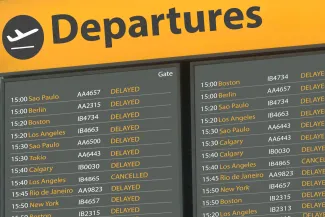
WASHINGTON - If you thought summer air travel couldn't get worse, July 17 proved otherwise. The US aviation network took another beating as airports across Colorado, Georgia, Virginia, and Wisconsin canceled 141 flights and delayed 3,195 more, according to Reuters. Southwest, JetBlue, and Delta were among the carriers caught in the mess, continuing a pattern that's made summer 2026 one of the most frustrating seasons in recent memory. That's not a headline anyone wanted to read mid-July, but it's become an increasingly familiar one. For travelers trying to get to ski country, summer festivals, or just home after a business trip, the disruption cut across major hubs and left thousands stuck waiting for answers.The Scope of the Problem
The numbers tell a pretty stark story. With 3,195 delayed flights in a single day, you're talking about tens of thousands of passengers watching their connections slip away, missing meetings, or scrambling to rebook hotels. Add in 141 outright cancellations, and the ripple effects stretch well into the following days; aircraft and crew get mispositioned, standby lists grow, and customer service lines jam up. What's particularly notable about this disruption is the geographic spread. Colorado, Georgia, Virginia, and Wisconsin aren't clustered in a single weather system or air traffic control sector. Denver handles mountain weather and high-altitude operations. Atlanta is Delta's fortress hub and one of the busiest airports on the planet. Virginia's airports, including Reagan National, sit in congested Northeastern airspace. And Wisconsin's gateways serve as key Midwest connectors. When delays and cancellations hit all four states at once, it suggests the problem isn't just one rogue thunderstorm; it's systemic stress across the entire network. Southwest, JetBlue, and Delta all took hits, but that's not surprising given their operational footprints. Delta's Atlanta hub alone processes more than 1,000 flights a day, so even a modest disruption there cascades fast. Southwest's point-to-point network means a problem at Denver or Midway can ripple out to dozens of spoke cities. JetBlue, which has been particularly vulnerable this summer to weather disruptions in the Northeast, likely felt the squeeze in Virginia and possibly through connecting traffic.Why This Keeps Happening
July 2026 has been brutal for air travel, and the July 17 disruption is part of a much larger pattern. Earlier in the month, severe thunderstorms and FAA ground stops triggered more than 3,000 delays and over 500 cancellations on a single day, according to Simple Flying. JetBlue was particularly hard hit, canceling one in every 20 flights as storms pummeled its Northeast hubs. The aviation system is operating with very little margin for error right now. Summer thunderstorms are normal, but the infrastructure to manage them isn't keeping pace. Air traffic control staffing shortages mean the FAA has to impose more flow restrictions when weather hits, which slows everything down. Airlines are flying fuller schedules than they can reliably deliver, and aircraft utilization is so high that there's no slack in the system. One missed connection, one crew timing out, one maintenance delay, and the whole house of cards starts to wobble. And it's not just weather. The US aviation industry has been lobbying Congress for $20 billion to modernize air traffic control systems, Reuters reported earlier in July. The current infrastructure struggles to handle peak summer demand even in good conditions, and when storms roll through, it can't absorb the shock.The Airports in the Crosshairs
Colorado's Denver International is a weather magnet; afternoon thunderstorms are routine in summer, and the airport's size means delays there affect the entire Western US. Georgia's Hartsfield-Jackson Atlanta is the world's busiest airport by passenger volume, so any hiccup there becomes a national problem. Virginia's Reagan National sits in some of the most congested airspace in the country, hemmed in by military restrictions and constant demand. Wisconsin's Milwaukee and Madison airports are smaller but serve as critical links for Midwest travelers, especially during summer tourism season. When all four regions hit trouble on the same day, it points to a network stretched too thin.What Travelers Should Be Thinking About
If you're flying this summer, the reality is you need to build in more buffer than usual. That means booking the first flight of the day when possible, because delays compound as the day goes on. It means downloading your airline's app and enabling notifications so you know about cancellations before you leave for the airport. And it means having a Plan B, especially if you have a tight connection or a meeting you can't miss. Loyalty matters more than usual right now, too. If you're a frequent flyer with status on Southwest, Delta, or JetBlue, you'll get rebooked faster and have access to customer service lines that aren't two hours deep. If you're booking cash tickets, consider paying a bit more for a refundable fare or travel insurance that covers delays; the peace of mind might be worth it when disruptions are this common. The other consideration is route choice. Nonstop flights are your friend in a summer like this. Every connection is another chance for something to go wrong, and with delays stacking up across the network, that risk is higher than normal. If you can fly direct, even if it costs a bit more or means a slightly less convenient departure time, it's probably worth it. Should you avoid flying altogether? That's not realistic for most people. But if you have flexibility, consider shifting travel to weekdays instead of weekends, and avoid peak afternoon hours when thunderstorms are most likely and when the network is already stretched thin from morning delays. The broader truth is that until the FAA gets the funding and staffing it needs, and until airlines dial back their schedules to match what they can reliably operate, summer travel is going to remain a gamble. July 17 was just one more data point in a season that's tested everyone's patience.More travel news
U.S. Customs and Border Protection to End Routine Passport Stamps
CBP announced routine passport stamping will end during primary inspection, with limited exceptions; foreign visitors can access admission and authorized-stay details through I-94 or CBP Link.

Rocky Mountain National Park Is Two Rangers’ October Pick
The rangers favor October for aspen color, the elk rut and varied scenery, but snow can close Trail Ridge Road before its usual mid-October closure.

United Flight Attendants Can Refuse ICE Questions
Washington, United States - United flight attendants were told they may remain silent when ICE asks about passengers or coworkers as airport arrests increase nationwide.
Airlines Put Elite Status on a Higher Price Tag
NEW YORK, United States - Delta, United and other major airlines are raising elite status hurdles, leaving frequent flyers on discounted fares with less credit.

About the Author

Bob Vidra
Bob Vidra is News Editor at Jetsetter Guide, covering airlines, airports and the travel industry since 2023.