Stay current with our airline news coverage.
Understanding Peru's Upside-Down Calendar
Before you start planning, remember that Peru sits in the Southern Hemisphere, which means everything you think you know about seasons gets flipped. When North America and Europe are sweating through August, Peru is in the middle of its dry winter. When we're bundling up for Christmas, they're heading into summer rain. This matters more than you'd think. I've watched too many travelers book June trips assuming "summer" means beach weather, only to discover that June through August is actually Peru's high season precisely because it's dry and cool in the highlands. Perfect for Machu Picchu, less perfect if you're imagining tropical heat.Why Shoulder Seasons Are the Move
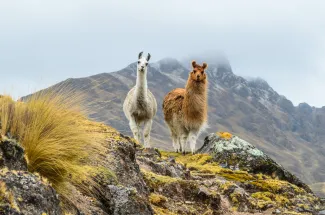
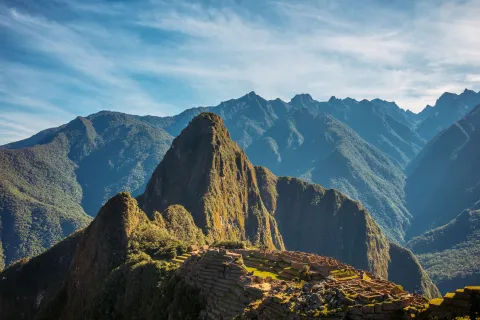
The shoulder months, those transitional periods between wet and dry seasons, offer what most long-term travelers actually want: access without chaos. Temperatures at places like Machu Picchu hover around 18 to 21 degrees Celsius. You'll still get occasional showers in April and May as the rainy season winds down, or in September and October as it gears back up, but nothing like the daily downpours of January through March. More importantly, these months mean shorter lines for shuttle buses, easier access to guided tours, and actually being able to snag Inca Trail permits without booking six months ahead. The alternate treks like Salkantay or Lares feel genuinely remote instead of like a conga line through the mountains. And the scenery? April and May deliver that fresh, post-rain green that makes landscape photography almost too easy. September and October bring blooming flowers and stable skies that photographers and hikers both dream about.The Money Conversation
Let's be real: shoulder season travel is cheaper. Flights drop, hotels have availability and bargaining room, and tour operators are more willing to negotiate. I've booked last-minute accommodations in Cusco during October that would have been impossible (or triple the price) in July. This matters especially for budget travelers and digital nomads stretching dollars across months of movement. The difference between peak and shoulder season pricing can mean an extra week or two on the road, or the ability to splurge on that cooking class in Lima you've been eyeing.What You Actually Need to Pack
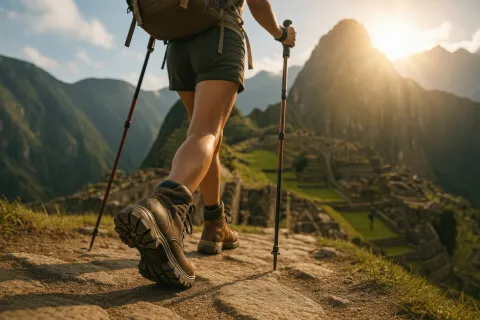
Shoulder season weather means layers. Pack for sun, rain, and everything in between. At Machu Picchu's elevation, mornings start cool and can heat up by midday, only to cloud over by afternoon. Rain gear isn't optional; it's insurance. Neither is sun protection, because UV exposure at altitude doesn't care if it looks overcast. And speaking of altitude: give yourself time in Cusco or the Sacred Valley to acclimatize before attempting any serious hiking. I don't care how fit you are at sea level; thin air makes everything harder. Build in buffer days, drink coca tea, and maybe skip the pisco sours until your body adjusts.Beyond the Obvious Sites
One of the best parts of visiting during shoulder season is that you can explore quieter archaeological sites like Ollantaytambo or the agricultural terraces at Moray without feeling like you're on a factory tour. These places have just as much history as Machu Picchu but a fraction of the visitors, especially during off-peak months. The breathing room changes the experience completely. You can actually sit with the ruins, imagine what they were like in use, take photos without strangers in every frame. It's the difference between seeing a place and feeling it.The Practical Bits
Insurance isn't negotiable for Peru. Trek cancellations happen, altitude sickness is real, and you don't want to be the person stuck with a massive bill from a Cusco clinic. Get coverage that includes medical evacuation; it's worth every penny you hope you never use. Book your Inca Trail permits as early as possible, even during shoulder season. "Fewer crowds" doesn't mean "no crowds," and permits do sell out. If you're flexible, consider the Salkantay or Lares treks as alternatives; they're equally stunning with even lighter foot traffic. With its beaches, cities, ancient ruins, and mountain scenery, Peru genuinely offers something for every kind of traveler. But visiting during March through May or September through October means you get to experience all of it without the peak-season madness. And in a country this beautiful, a little extra space to breathe makes all the difference.More travel news
Luxury Glamping Trek to Machu Picchu Launches 2026
SORAYPAMPA, Peru — Bamba Travel launches luxury glamping camp beneath Salkantay peak, merging traditional trek routes with boutique accommodations for April 2026 debut.

Machu Picchu Train Crash Kills Worker Injures 30
QORIWAYRACHINA, Peru — Two tourist trains collided on the Machu Picchu railway, killing a worker and injuring 30 during the holiday rush, stranding hundreds of travelers.
AI Expert Slashes Flight Cost 72% Using Grok Prompts
LIMA, Peru — A tech professional's viral post reveals how AI prompts exposed hidden airline pricing strategies, slashing airfare by more than 70%.

Machu Picchu Tourism Reopens After Accord With Authorities
Cusco region of Peru welcomes visitors again as Machu Picchu tourism resumes after officials and community leaders reach a new access accord.
About the Author

Mariana Torres
Mariana Torres is South America Editor at Jetsetter Guide, covering backpacking and off-the-beaten-path travel in the Andes and the Amazon.