Stay current with our travel advisories coverage.
What Happened on Peru's Most Important Travel Corridor
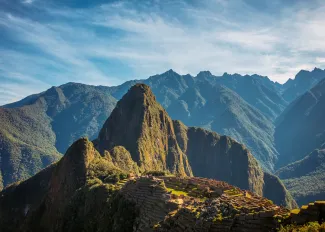
The collision shut down rail services on what is arguably Peru's most critical tourist artery during the absolute worst possible timing: the height of the holiday season. If you've ever tried to get to Machu Picchu, you know there aren't exactly a lot of backup options. This isn't a situation where you can just hop on a different train or take an Uber. The railway is the route for the vast majority of the 1.5 million visitors who make the pilgrimage to the 15th-century Inca citadel each year. The details from authorities remain frustratingly sparse, which is typical for breaking incidents in remote areas where infrastructure wasn't exactly designed for crisis communication. What we do know is that the impact was serious enough to kill one railway worker and send approximately 30 passengers to medical care. The human cost here extends beyond statistics; someone went to work on a Tuesday and didn't come home.The Reality of Single-Track Tourism
Anyone who has spent time on the backpacker circuit in South America knows this railway intimately. It's scenic, it's expensive by local standards, and it's essentially the only practical way to reach Aguas Calientes, the town below Machu Picchu, unless you're committed to a multi-day trek. The trains wind through valleys and alongside rivers, packed with tourists clutching their pre-booked tickets and trying to get the perfect photo through sometimes-smudged windows. The suspension of services following the crash means hundreds, possibly thousands, of travelers found themselves suddenly stranded. Some were trying to get to Machu Picchu for New Year's; others were attempting to leave after visiting. Holiday season bookings are made months in advance. Hotels are paid for. Onward flights are scheduled. Travel insurance policies are about to get tested. For solo travelers and backpackers especially, this kind of disruption creates a specific type of chaos. You're probably traveling on a tight budget and an even tighter timeline. You might have been planning to meet friends in Lima or catch a border crossing into Bolivia. Your entire careful itinerary, built around hostel check-ins and bus schedules, just collapsed.When Infrastructure Becomes a Bottleneck
The broader issue here is one that anyone who travels long-term in developing regions understands instinctively: when you funnel 1.5 million people per year through a single railway line to reach one of the world's most famous archaeological sites, you're creating a bottleneck that's vulnerable to exactly this kind of catastrophic failure. Machu Picchu isn't just important to travelers. It's fundamental to Peru's tourism economy, which means it's fundamental to the livelihoods of thousands of people working in Cusco, Aguas Calientes, and the Sacred Valley. When the trains stop, the entire ecosystem grinds to a halt. Guides lose work. Restaurants sit empty. Hostel owners watch their booking calendars turn into cancellation notices.What Travelers Need to Know Now
As of the immediate aftermath, rail services remained suspended while authorities investigated the collision. No timeline has been provided for when services might resume, which is both understandable given the circumstances and deeply frustrating for everyone currently stuck in limbo. If you're planning to visit Machu Picchu in the coming weeks, the honest advice is to monitor the situation closely and prepare for potential delays or cancellations. Build buffer time into your itinerary if you can. Check your travel insurance policy to understand what's actually covered; "act of God" clauses vary wildly. For those already in Cusco or Aguas Calientes, the wait-and-see approach isn't really optional. You're probably already talking to other stranded travelers in your hostel common room, trading information and backup plans. This is when the backpacker network actually proves useful, when someone knows someone who heard from a tour operator about alternative routes or revised schedules.The Cost Beyond Inconvenience
It's easy to focus on the logistical nightmare for tourists, and that's a legitimate concern. But the railway worker who died on Tuesday deserves more than a footnote in our travel disruption stories. Someone's family is grieving while we're all frantically refreshing booking websites and rearranging our plans. The 30 injured passengers are dealing with medical treatment in a foreign country, navigating language barriers and insurance claims and the kind of bureaucratic maze that makes normal travel paperwork look simple. Some of them probably started this trip thinking the biggest risk was altitude sickness or dodgy street food. Travel always carries risk. We accept that when we board planes and buses and boats and trains, especially in regions where safety standards differ from what we're used to at home. But acceptance doesn't mean resignation, and it doesn't mean we shouldn't demand answers about how two trains ended up on the same track at the same time. The investigation will presumably provide those answers eventually. Until then, the railway sits silent, Machu Picchu slightly harder to reach, and travelers around the world are recalibrating their South American itineraries with a new appreciation for how fragile our carefully planned adventures really are.More travel news
Luxury Glamping Trek to Machu Picchu Launches 2026
SORAYPAMPA, Peru — Bamba Travel launches luxury glamping camp beneath Salkantay peak, merging traditional trek routes with boutique accommodations for April 2026 debut.

Travel Experts Reveal Peru's Best Visiting Months
LIMA, Peru — Travel experts point to March through May and September through October as ideal windows for visiting Peru, balancing pleasant weather with manageable tourist numbers across the country's diverse landscapes.
AI Expert Slashes Flight Cost 72% Using Grok Prompts
LIMA, Peru — A tech professional's viral post reveals how AI prompts exposed hidden airline pricing strategies, slashing airfare by more than 70%.

Machu Picchu Tourism Reopens After Accord With Authorities
Cusco region of Peru welcomes visitors again as Machu Picchu tourism resumes after officials and community leaders reach a new access accord.
About the Author

Mariana Torres
Mariana Torres is South America Editor at Jetsetter Guide, covering backpacking and off-the-beaten-path travel in the Andes and the Amazon.