
Stay current with our airline news coverage.
HOUSTON, Texas - The Price Tag for International Fans
The 2026 FIFA World Cup kicks off next month, and Houston's share of matches will draw international visitors willing to pay thousands of dollars for the privilege of watching their national teams compete at NRG Stadium. The question is no longer whether Houston will see an influx of global fans; it's whether most can actually afford to come. According to TravelPulse, flights from Berlin to Houston on June 11 or 12 check in at $804 at the cheapest, routing passengers through Frankfurt and Seattle. That figure represents the baseline before factoring in match tickets, lodging, ground transportation, meals, and incidentals. For many international visitors, the total cost of attending even a single World Cup match in Houston will easily exceed $3,000 per person. The math is straightforward and unforgiving. The flight alone consumes nearly a thousand dollars. Official World Cup tickets in Houston range from a few hundred dollars on the low end to roughly $1,700 to $3,000 per ticket for certain matches and seating categories, depending on the fixture and location inside the stadium. Secondary-market tickets average $300 to $400 or more, excluding parking, food, and transport. Hotel rates in Houston during the tournament window will run significantly higher than typical June rates due to demand compression, and visitors will also need to budget for ride-share or rental car expenses, dining, and any additional activities while in the city.Who Pays, Who Profits
The financial burden isn't limited to international fans. Houston residents are largely priced out of attending matches as well, turning instead to free public watch parties at Shell Energy Stadium and the FIFA Fan Festival. "They're designed to feel just like you're in the stadium, for free. You just have to buy drinks and food, that's it," one local fan said in coverage of Houston's World Cup preparations. Meanwhile, the organizing costs fall squarely on Houston's host committee and, by extension, Texas taxpayers. "The host committee holds the contract with FIFA. We are 100% responsible for finding the funding to cover all of those expenses, and none of that comes from the city or the county," said Chris Canetti, president of Houston's World Cup host committee, according to ProPublica reporting. The committee plans to draw $65 million in federal funding for security, part of a broader $625 million commitment from U.S. taxpayers for World Cup security nationwide. Additional tens of millions of dollars will come from Texas' Major Events Reimbursement Program, effectively shifting a significant share of the financial burden onto state taxpayers. FIFA, by contrast, is expected to generate about $11 billion in profits from the 2026 World Cup globally, according to ProPublica. The organization has estimated that the tournament will bring a combined economic impact of about $47 billion to Houston and 10 other American host cities, though independent economists question how much of that represents true net new spending rather than substituted local expenditures.The Real Costs Beyond the Headline Numbers
The economics here are lopsided in ways that matter for anyone planning to attend. International visitors absorb steep travel and ticket costs with no guarantee that Houston's hospitality infrastructure will deliver commensurate value. Airfare from Europe alone pushes $800 before accounting for intra-European or last-mile connections. Ticket prices ensure that only the most committed or well-funded fans will sit inside NRG Stadium, while the rest watch from fan zones or hotel rooms. For Houston, the model creates risk without corresponding control over revenue. The host committee is contractually responsible for covering organizing expenses, including security, stadium retrofits, and fan festivals, but it does not share in ticket sales, broadcasting rights, or sponsorship income that flows directly to FIFA. Economists note that local residents attending games generate minimal net economic benefit due to the substitution effect: money spent on the World Cup largely replaces spending that would have occurred locally anyway. The real economic gain, if any, comes from international visitors whose spending represents new dollars entering the local economy. The practical calculus for international travelers is stark. If you're flying in from Berlin or another European city, budget at least $800 for the flight, $500 to $2,000 or more for a ticket depending on the match and seat, another $200 to $400 per night for lodging over a multi-day stay, plus ground transport, food, and contingencies. That's a minimum of $2,500 to $4,000 per person for a bare-bones World Cup experience in Houston, and costs can escalate quickly if you're attending multiple matches or upgrading accommodations. Houston's World Cup moment will be expensive for nearly everyone involved, except FIFA. International fans pay premium prices for access, local residents are priced out entirely, and Texas taxpayers underwrite much of the operational cost. The flood of international visitors is real, but so is the financial barrier to entry.More travel news
Frontier Offers Unlimited Flights for $199 This Fall
HOUSTON, Texas - Frontier Airlines launches its $199 GoWild pass for unlimited travel through February 2027, available now from George Bush Intercontinental Airport with just-in-time booking for spontaneous getaways.
Airlines Block ICE From Boarding Planes for Arrests
DALLAS, Texas - Airlines are rejecting federal immigration officers' attempts to board flights for arrests, with Southwest turning away ICE at least six times in recent weeks.

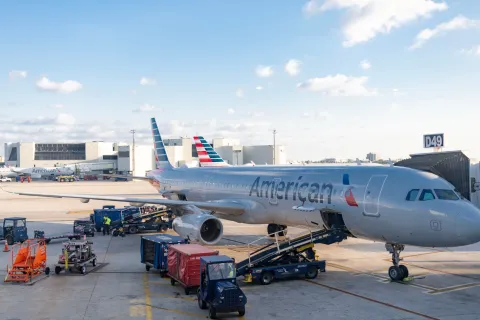
American Airlines Disrupts Loyalty With $35 Upgrades
FORT WORTH, Texas - American Airlines' ultra-cheap last-minute upgrade offers are sparking debate over whether the carrier is undermining its own loyalty program to fill empty premium seats.
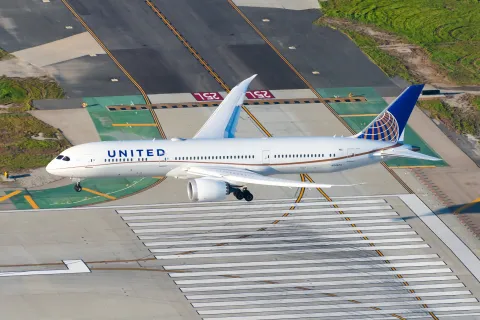
California Joins Five States on United Boeing Crisis
CHICAGO, United States - United Airlines' flagship Boeing 787-9 with redesigned premium cabins suffers chronic breakdowns, disrupting long-haul service from major hubs including California, Texas, Washington, Illinois, Colorado, and Florida.
About the Author

Jeff Colhoun
Jeff Colhoun is an acclaimed travel writer, photographer, and filmmaker, whose work is respected both in the United States and internationally.