Stay current with our airline news coverage.
NEW YORK, N.Y. - Here's a pleasant surprise for anyone holding the Chase Sapphire Preferred: you're probably eligible for what might be the most compelling credit card upgrade path I've seen in a while. The Chase Sapphire Reserve just rolled out its biggest welcome bonus ever, and if you've been sitting on the Preferred thinking "maybe someday," that day just arrived. Let's talk about what this actually means.
The Offer That's Turning Heads
Chase is offering 150,000 bonus points on the Sapphire Reserve after you spend $6,000 within the first three months of account opening, according to The Points Guy. That translates to roughly $3,075 in travel value based on June 2026 valuations. That's not a typo. We're talking about a welcome bonus that's almost certainly the highest this card has ever seen. For context, the Reserve typically hovers around more modest offers; this is the kind of promotional bump that usually shows up once and then disappears into legend. The catch? Well, there really isn't one if you're already a Sapphire Preferred cardholder. You're likely eligible.
How Sapphire Preferred Holders Can Make the Jump
Chase's Sapphire family has long operated under what's informally known as the "one Sapphire" rule. You can't hold both the Preferred and Reserve simultaneously. But here's where it gets interesting: if you already have the Preferred, you can upgrade to the Reserve and potentially qualify for this welcome bonus. The key word is "likely." Chase's eligibility requirements can be nuanced, but Preferred cardholders generally have a clear path to the Reserve without running into the usual roadblocks that trip up new applicants. Think of it this way: you've already proven yourself to Chase. You're in the family. Moving from the Preferred to the Reserve isn't starting from scratch; it's more like graduating to the next tier. That relationship matters when it comes to bonus eligibility.
Why This Move Might Actually Make Sense
I'll be honest: the Sapphire Reserve isn't for everyone. The annual fee is significantly higher than the Preferred. But this bonus changes the math considerably, at least for the first year. The $3,075 valuation mentioned by The Points Guy represents real purchasing power, particularly if you're someone who books travel through Chase's portal or transfers points to airline and hotel partners. That's not abstract value; that's actual trips you can take. And then there's the Reserve's signature perk: the $300 annual travel credit. It's genuinely flexible, covering everything from flights and hotels to parking and tolls. I've found it to be one of the more useful credits out there because it doesn't require you to contort your spending habits to use it. You probably already spend $300 on travel-related expenses annually. This just gives you $300 back. When you factor in that credit, the Reserve's effective annual fee drops considerably. Add the 150,000-point welcome bonus, and year one becomes a pretty compelling proposition.
The Spending Threshold Is Reasonable
Six thousand dollars in three months isn't nothing, but it's also not the kind of aggressive spending requirement some premium cards throw at you. That works out to $2,000 per month. If you're already putting regular expenses on your Preferred, you're probably close to that anyway. Add in a plane ticket or a hotel stay, and you're there. Just don't manufacture spending to hit the threshold. The math only works if you're putting purchases on the card that you'd make regardless.
The Upgrade Calculus Just Shifted
Here's what I think is actually happening here: Chase is creating an incentive for Preferred cardholders to level up. The company knows its most engaged customers are the ones already in the Sapphire ecosystem. Why chase entirely new applicants when you can deepen relationships with people who've already demonstrated they value Ultimate Rewards points? For travelers, this represents a rare moment when the stars align. You've got the highest welcome bonus the Reserve has likely ever offered, you're probably eligible because you already hold the Preferred, and the spending requirement is achievable without gymnastics. The question isn't really whether this is a good deal; it pretty clearly is for anyone who travels with any regularity. The question is whether you can justify the Reserve's higher annual fee over the long term, beyond year one when that massive welcome bonus softens the blow. If you fly a few times a year, stay in hotels occasionally, and value lounge access and travel protections, the Reserve probably makes sense. If you're a once-a-year vacation traveler who doesn't use points strategically, the Preferred might still be the better fit, even with this tempting offer dangling in front of you. But I'll say this: if you've been on the fence about upgrading, this bonus just knocked down most of the arguments against it. At least for year one, the value proposition is about as clear as these things get. Just remember, this is likely a limited-time offer. Chase doesn't specify how long it'll last, and historically, the best bonuses don't stick around forever. If you're going to make this move, sooner beats later.
More travel news
JFK Ranks Most Stressful US Airport for Business Trips
NEW YORK - JFK Airport tops the list of most stressful US hubs for business travelers, with Newark and Fort Lauderdale close behind, new research shows.

LaGuardia Chaos Strands Travelers With 90 Disruptions
NEW YORK - Jazz, American Airlines, Endeavor Air, and Delta Air Lines left dozens of travelers stranded at LaGuardia Airport with 90 disrupted flights affecting major U.S. and Canadian routes.
American Airlines Jet Diverts After Mystery Odor
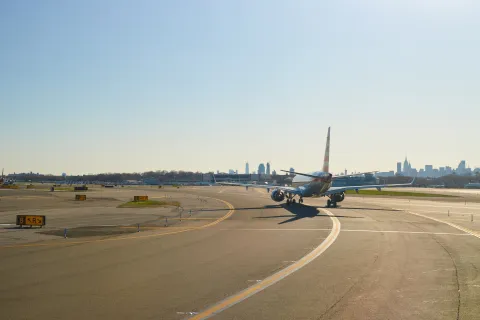
North Syracuse, N.Y. - Flight 5907 made an emergency landing Sunday evening after crew reported nausea from an onboard odor, disrupting service four hours.
Major US Airlines Ground Nearly 1500 Flights June 3
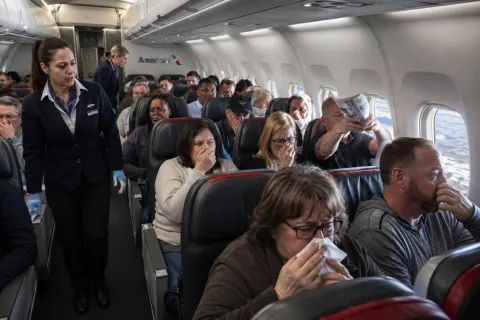
NEW YORK, N.Y. - Widespread disruptions across Texas, Illinois, California, Massachusetts, New Jersey, and New York grounded 142 flights and delayed 1,294 on June 3, 2026, stranding travelers on major carriers.

About the Author

Bob Vidra
Bob Vidra, based in scenic Tahoe, is an esteemed tech editor known for his deep understanding of the dynamic intersection of technology, travel, and the outdoors.