Stay current with our airline news coverage.
What Actually Changed in Italy
On February 1, 2026, at 08:13 ET, Global Affairs Canada updated its travel advice for Italy following demonstrations that turned violent in Turin on January 31, 2026. The timing is deliberate. The Milano-Cortina Olympic Games open February 6 and run through February 22, with the Paralympic Games following from March 6 to March 15. Turin, a key venue city, has seen sporadic unrest tied to anti-Olympic sentiment and broader political tensions. The advisory warns that further civil unrest cannot be ruled out, but the overall risk level has not shifted. Italy remains a "Exercise a High Degree of Caution" destination, unchanged from prior guidance. Canadians heading to pre-Games site visits or February test events are told to monitor local media, carry travel documents at all times, and plan for potential transit disruptions. The update also references Italy's Entry/Exit System, or EES, which became operational in late 2025. The biometric registration system now applies to all non-EU visitors, including Canadians, and has added friction at ports of entry. Longer processing times at airports and land borders are expected, particularly during the Games when inbound traffic will spike. For photographers and media covering the Olympics, the Turin protests are worth watching. Public demonstrations have historically drawn heavy police presence in Italian cities, and clashes can escalate quickly. If you're shooting in crowded public spaces or near protest zones, keep your kit minimal and maintain situational awareness. Roads can close without notice, and transit strikes remain common across northern Italy during winter months.Tanzania Remains Stable at Caution Level
Tanzania's advisory, last updated February 3, 2026, also sits at "Exercise a High Degree of Caution." The guidance cites crime and terrorism risks, standard language that has not changed in recent memory. There is no mention of express kidnappings in the current advisory, and no evidence of an uptick in that specific crime type targeting foreign nationals. Express kidnappings, where victims are forced to withdraw cash from ATMs or transfer funds before being released, do occur in parts of East Africa, but they are not unique to Tanzania and have not prompted any recent escalation in Canadian warnings. The advisory focuses instead on petty crime in urban centers like Dar es Salaam and Arusha, as well as the persistent terrorism threat near the Mozambique border linked to insurgent activity in Cabo Delgado province. Tanzania requires eVisas for stays over 90 days, and the system has improved in recent years. Short-term visitors still receive visas on arrival, but extended stays, volunteer work, or media assignments require advance approval. If you're planning a Kilimanjaro climb or Serengeti shoot, standard tourist visas are sufficient. For anything longer or mission-specific, apply early.Why the Misinformation Spread
The false claim likely gained traction due to overlapping advisory updates and a misreading of what "Avoid All Travel" actually means. Canada's highest-level warning is reserved for active conflict zones, countries under sanctions, or regions where consular services have been suspended. Neither Italy nor Tanzania meets that threshold. The reference to "commercial flights may leave passengers stranded" appears disconnected from either advisory. Italy's air network is robust, and while transit strikes can delay flights, they rarely ground entire routes. Tanzania's aviation infrastructure is less developed, but major carriers operate regular service to Dar es Salaam and Kilimanjaro International Airport. Weather disruptions during rainy seasons are more likely to affect travel than advisory changes. Recent weeks have seen a cascade of advisory updates from both Canada and the United States, driven by unrest in Europe, Olympic security concerns, and broader instability in parts of Africa and the Middle East. That volume of changes can create confusion, particularly when aggregators or secondary sources summarize updates without full context.What Travelers Should Do
Check the official Global Affairs Canada website before departure. The travel.gc.ca portal includes real-time updates, regional breakdowns, and specific risk factors. For Italy, pay attention to protest activity in Milan, Turin, and Cortina d'Ampezzo as the Games approach. Large gatherings are banned in some zones, and authorities have increased surveillance in Olympic venues. For Tanzania, register with the Registration of Canadians Abroad service if you're traveling to border regions or remote parks. Consular assistance is limited outside major cities, and mobile connectivity drops sharply once you leave paved roads. Carry copies of your passport and travel insurance documents, and avoid overland crossings into Mozambique or the Democratic Republic of Congo without recent intelligence. If you're traveling for business or media assignments, confirm your visa category matches your activity. Italian authorities have been enforcing entry documentation more strictly since EES went live, and Tanzania requires separate permits for drone use, professional photography, and media production.The Bigger Picture
Misinformation around travel advisories creates real consequences. Travelers cancel trips unnecessarily, operators lose revenue, and destinations suffer reputational damage. Both Italy and Tanzania remain accessible to Canadians willing to take standard precautions. The risks have not disappeared, but they have not escalated to the level the viral claim suggested. Travel advisories are tools, not verdicts. They reflect conditions on the ground and provide a baseline for decision-making. They do not replace firsthand research, local contacts, or professional risk assessments. If you're heading to either destination, read the full advisory, understand the specific risks, and plan accordingly. No part of this story supports the idea that Canada told travelers to avoid Italy or Tanzania outright. The advisories were updated. The risk levels did not change. The distinction matters.More travel news
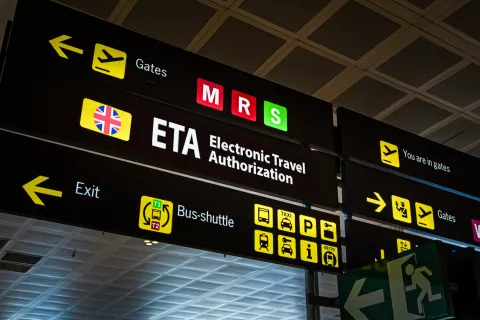
United Kingdom ETA checks require British-Canadian entry proof
Since Feb. 25, 2026, British-Canadian dual citizens flying to the UK need a valid British passport or a right-of-abode certificate in their Canadian passport.
Italy rain forecast: Yellow alerts cover parts of six regions
Two fronts are forecast to bring repeated rain across Italy, while Oct. 7 yellow alerts apply to designated areas in Abruzzo, Campania, Lazio, Liguria, Molise and Tuscany.
Tanzania Mandates Travel Insurance for Most Foreign Visitors
Most foreign visitors arriving by air, land or sea must buy a policy from the designated insurer; transit passengers, diplomats, select permit holders and some residents of other African states are exempt.
Italy Travel Advisory Update Keeps Level 2 Rating
The State Department revised its Sept. 10 summary without raising Italy’s Level 2 rating, advising Americans visiting the country to stay alert to terrorism and opportunistic theft.

About the Author

Jeff Colhoun
Jeff Colhoun is a photographer and filmmaker whose work has appeared in The Wall Street Journal, the Los Angeles Times, Matador Network and Barron’s.