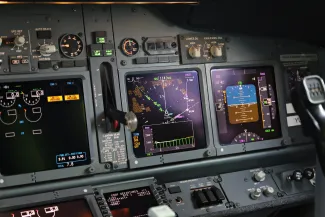
Boeing is developing a fix for the glitch affecting in-service Max 8 and Max 9 jets running U.14; Southwest Airlines and United Airlines say their Max fleets lack the affected software.
A Boeing software warning is an unsettling thing to read when you have just booked a flight. But the newly disclosed 737 Max glitch concerns a particular software version, not every Max aircraft. Boeing says the problem can leave pilots without automated flight guidance during a specific landing scenario, and engineers are working on a correction.
The Federal Aviation Administration is assessing the issue with Boeing and airlines and plans to convene a safety review board, Reuters reported on Sept. 26. Southwest Airlines and United Airlines have said their Max fleets do not have the affected software, according to Simple Flying.
What Is the Boeing 737 Max Software Glitch?
The problem emerged from a cockpit software update and can occur when crews alter their planned flight path after a missed approach, Reuters reported, citing The Wall Street Journal. In that situation, the crew has aborted a landing rather than completing it.
According to Simple Flying’s account, the software may lose the flight path programmed for the approach. Pilots then need to take additional steps to restore the automated system and continue the missed approach. The concern is therefore tied to a particular approach sequence, rather than a navigation failure described as occurring on every flight.
Pilots are trained to land without the automated system, Simple Flying reported. Boeing is also working with potentially affected airlines to formalize procedures that would let pilots reenable automated vertical navigation if the issue occurs. Bloomberg reported that the navigation problem could increase pilot workload during landing.
“We shared information with operators that reinforced existing pilot procedures for safely handling such cases. Our engineers are working on a software update to permanently address the issue,” Boeing said in an emailed statement to Reuters.
Which Aircraft and Airlines Are Affected?
Simple Flying identified the affected software as Version U.14 and said the issue affects in-service Max 8 and Max 9 aircraft equipped with that version. The number of aircraft operating with the flawed software was not immediately clear, Reuters reported.
That distinction matters when reading an aircraft type on a reservation. A Max 8 or Max 9 designation identifies the model, but does not establish whether it carries the software involved. The airlines’ statements about their installed software are more specific than the aircraft label alone.
- Southwest Airlines: The carrier said none of its Max aircraft had the affected software, according to Simple Flying. Reuters, citing The Wall Street Journal, reported that Southwest had asked Boeing to deliver new Max aircraft with an earlier software version instead.
- United Airlines: United likewise said none of its Max aircraft had the affected software, Simple Flying reported. Reuters reported that United had also requested an earlier version for new deliveries.
Those statements address both the carriers’ existing fleets and their choices for incoming aircraft. They do not establish how widely U.14 is installed at other airlines. Boeing said it had informed all 737 operators about the issue, but that notification should not be read as a count of affected aircraft.
When Boeing Identified the Problem
Boeing told Reuters that it notified all 737 operators in August 2026. Simple Flying reported that Boeing had first identified the glitch in November 2024 and had not informed operators at that time because it was not deemed a safety issue.
The distinction between discovery and notification is important to the timeline: the September reports made the issue public, while Boeing’s operator communication had gone out the previous month. Its current response combines guidance on existing pilot procedures with work on a permanent software correction.
What the FAA Is Reviewing
The FAA told Reuters it was aware of a potential issue in a software update for flight computers on certain 737 Max airplanes and was working closely with Boeing and airlines.
“The FAA will convene a Corrective Action Review Board and will take immediate action if it identifies a safety concern,” the agency said. Boeing, airlines and regulators were still assessing whether the issue posed a flight-safety concern. The planned board is part of that assessment, not a completed regulatory finding.
The issue also has implications beyond aircraft already in service. Bloomberg reported that it may delay the arrival of Boeing’s latest narrowbody models. Simple Flying reported that the Max 7 was certified in August with the newest software installed, while Boeing was still seeking certification for the Max 10. Possible delays remain a prospect, rather than a confirmed outcome.
Why the Disclosure Draws Scrutiny
The Max name carries a difficult history. Reuters noted that two fatal Max crashes in 2018 and 2019 led to a worldwide grounding, and that Boeing faced further scrutiny after a midair cabin panel blowout on a nearly new Alaska Airlines Max 9.
For travelers, the useful distinction in this latest disclosure is between the aircraft family and the specific software installation. Southwest and United have described fleets without the affected version. For aircraft that do carry it, Boeing’s procedural guidance, the planned software correction and the FAA’s assessment remain the central developments.
More travel news
Southwest, United seek older software on new 737 MAX jets
Southwest and United want earlier software on new 737 MAX deliveries as the FAA reviews a glitch that can block automated guidance after a missed approach if pilots alter the flight path.
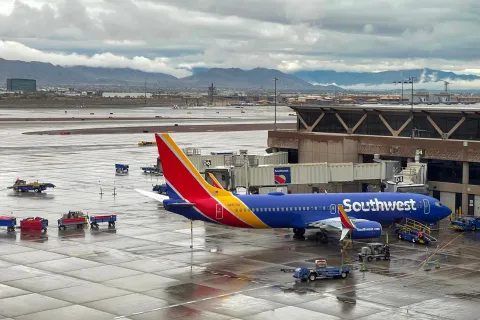
Jet Fuel Prices Have Doubled Since January
Jet fuel prices have doubled since January, and Leeham News is modeling potential ticket and cargo price effects if the increase persists.
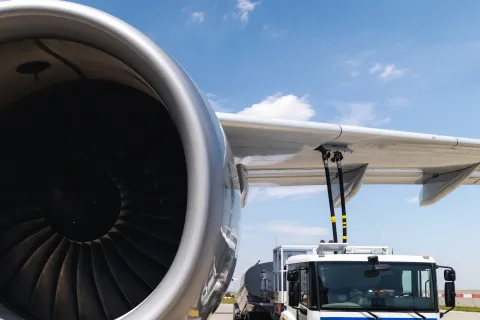
FAA Orders Boeing 737 Max Inspections for Fuselage Cracks
WASHINGTON - Federal regulators mandate structural inspections on nearly 1,500 Boeing 737 Max aircraft worldwide after identifying potential cracks near forward service doors.
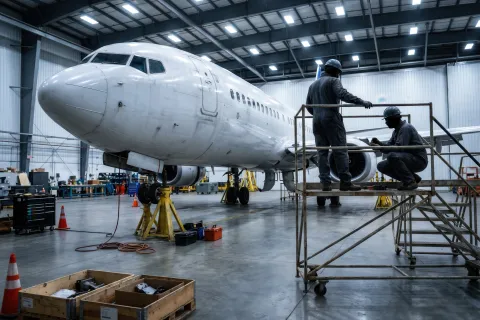
FAA Orders Seat Track Checks on 453 Boeing 737 MAXs
WASHINGTON, D.C. - Federal regulators target Boeing's MAX fleet again, this time over cabin seat installations that may not hold properly during flight.
About the Author

Jeff Colhoun
Jeff Colhoun is a photographer and filmmaker whose work has appeared in The Wall Street Journal, the Los Angeles Times, Matador Network and Barron’s.