For the latest, see our visa & entry requirements.
Australia Visitor Visa Requirements Remain in Force for 2025
CANBERRA, Australia — Australia isn't relaxing its entry requirements anytime soon. The country continues to mandate that most international travelers secure a valid visitor visa before they board a flight, and 2025 brings no fundamental changes to that framework. Whether you're planning to photograph the Great Barrier Reef, visit family in Melbourne, or explore the Outback, you'll need to navigate one of three visa pathways before you land. This isn't news that will shock anyone who's traveled to Australia before, but it's worth stating plainly: there's no visa-free entry for most nationalities, and showing up without proper authorization means you're not getting past immigration. The system works, it's predictable, and it handles millions of visitors annually without major drama. But it requires planning, and in some cases, patience.Three Main Visa Categories for Tourist and Family Visits
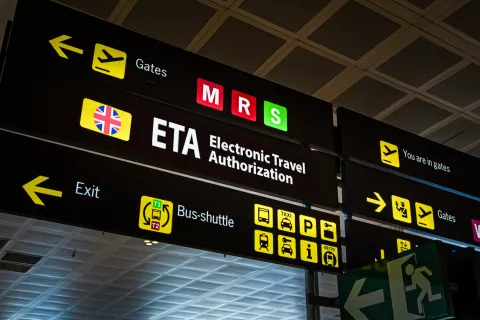
Australia operates three primary visitor visa types, according to the Department of Home Affairs. The Subclass 600 Visitor Visa covers the broadest range of travelers and purposes. The Electronic Travel Authority, or ETA (Subclass 601), offers a streamlined option for passport holders from select countries. The eVisitor (Subclass 651) serves citizens of European Union member states and a handful of other European nations. All three categories allow stays of up to 12 months, though the typical grant is shorter. Validity usually runs 12 months from the date of issue, meaning you have a year to enter Australia, but your permitted stay length is determined separately. Processing times range from 1 to 21 days, according to Travel. That's a wide window, and it reflects the reality that some applications sail through while others require additional documentation or review. Fees span from free to AUD 650, depending on which visa you're applying for and what your passport allows. The ETA and eVisitor options are either free or carry minimal service charges, while the Subclass 600 can cost several hundred dollars depending on the stream you're applying under. Work is not allowed on any of these visas. Study is permitted for up to three months. These restrictions are clear and enforced; violating them can result in visa cancellation and removal from the country.Application Process Remains Digital
Australia has moved nearly all visitor visa applications online. Paper forms and in-person lodgments are largely obsolete. The Department of Home Affairs manages the digital infrastructure, and most applicants will use the ImmiAccount portal or mobile apps linked to their passport data. The shift to digital processing has streamlined much of the experience, but it also means your application lives or dies on the accuracy of what you submit electronically. Missing documents, incomplete forms, or errors in passport details can trigger delays or refusals. The system is efficient when you get it right, unforgiving when you don't. Biometrics may be required depending on your nationality and visa type. Some applicants will need to visit an Australian Visa Application Centre or an approved biometric collection site. This adds time and logistics to the process, particularly for travelers in regions with limited AVAC access.What Travelers Need to Know Before Applying
Australia's visa system is risk-based. Immigration authorities assess your ties to your home country, your travel history, your financial capacity to support yourself during your stay, and any previous immigration issues in Australia or elsewhere. If you've overstayed a visa anywhere, been deported, or have a criminal record, expect additional scrutiny. Health insurance isn't mandatory for visitor visa holders, but it's strongly advised. Australia's healthcare system doesn't cover visitors, and medical costs can escalate quickly. A serious illness or accident without insurance can result in bills that dwarf the cost of your entire trip. Character and health requirements apply. Depending on your circumstances, you may need to provide police certificates or undergo a medical examination. These aren't routine for short tourist visits from low-risk countries, but they're triggered by specific factors in your application. The 21-day processing window matters for anyone with fixed travel dates. Booking flights before your visa is granted is a gamble. Airlines won't let you board without valid authorization, and if your application is delayed or refused, you're looking at rebooking costs or total loss of your ticket.No Visa on Arrival, No Exceptions
Australia does not offer visa-on-arrival for any nationality. This is a hard line, and it catches travelers who assume they can sort it out at the airport. You can't. The airline won't board you without proof of a valid visa, and even if you somehow reach Australian soil without one, immigration will turn you around. This policy reflects Australia's geographic isolation and its approach to border security. The country has tight biosecurity protocols, rigorous customs enforcement, and a low tolerance for irregular arrivals. The visa requirement is part of that broader control framework.Field Realities for Photographers and Extended Stays
For photographers working on assignment or personal projects, the three-month study allowance can be interpreted to include workshops or masterclasses, but it doesn't cover commercial work. If you're shooting for a client, editorial assignment, or commercial project, you'll need a different visa category entirely. The visitor visa explicitly prohibits work, and Australian immigration takes a broad view of what constitutes work. Extended stays up to 12 months are possible under the Subclass 600, but approval isn't automatic. You'll need to demonstrate strong reasons for the longer duration and sufficient financial resources. Multiple-entry options are available, but again, these depend on your individual circumstances and the strength of your application. Australia remains one of the world's premier travel destinations, and its visa requirements reflect the volume and diversity of people who want to visit. The system works, but it demands preparation and accuracy. Get your application right, allow time for processing, and don't book your flight until your visa is granted.More travel news
Aurora Expeditions Welcomes Kids on Remote Voyages
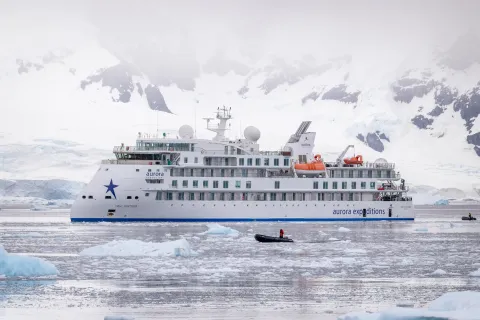
Sydney, Australia - Aurora Expeditions has lowered its minimum age requirement to six, bringing families with school-age children onto expedition ships bound for Antarctica, the Arctic and other remote regions.
Australia Replaces Paper Forms With Digital Travel Cards
Sydney, Australia - The Australian government announces nationwide rollout of digital passenger cards to eliminate paper forms at all international entry points over the next 12 to 18 months.

Discover the Deadly Beautiful Spots Behind Apex
SYDNEY, Australia - Baltasar Kormákur's survival thriller Apex turns New South Wales wilderness into cinema's latest adrenaline playground, with implications for set-jetting tourism and conservation access.

Global Airlines Enter Crisis Mode as Jet Fuel Soars
LONDON, England - Airlines across three continents face severe jet fuel shortages with European prices doubling in weeks, forcing carriers into emergency protocols and raising questions about flight cancellations.

About the Author

Jeff Colhoun
Jeff Colhoun is a photographer and filmmaker whose work has appeared in The Wall Street Journal, the Los Angeles Times, Matador Network and Barron’s.