Stay current with our airline news coverage.
Antigua and Barbuda Confirms No Entry Changes for U.S. Travelers
ST. JOHN'S, Antigua and Barbuda — Antigua and Barbuda tourism officials issued a direct statement on January 13, 2026, clarifying that recent U.S. visa restrictions targeting nationals of the twin-island nation have zero impact on American travelers visiting the Caribbean destination. Despite widespread media coverage of new U.S. entry restrictions, all airports and seaports remain fully operational, and existing entry protocols for U.S. citizens continue without modification. The clarification comes amid confusion following the implementation of U.S. Presidential Proclamation 10998, which took effect January 1, 2026, at 12:01 a.m. EST. That proclamation imposed partial visa restrictions on nationals from Antigua and Barbuda and 18 other countries, suspending new immigrant visas and certain nonimmigrant categories including B-1, B-2, F, M, and J visas. The restrictions target concerns over citizenship-by-investment programs that do not require physical residency, which U.S. officials argue create potential security vulnerabilities and complicate identity verification.Tourism Officials Address Media Reports
"There has been no change to entry and exit requirements for U.S. citizens or other international visitors traveling to the twin-islands of Antigua and Barbuda," according to Antigua and Barbuda tourism officials. The statement directly addresses concerns raised by travelers and industry partners following news reports about the U.S. visa restrictions affecting Antiguan nationals seeking entry to the United States. The Honourable H. Charles Fernandez, Minister of Tourism, Civil Aviation, Transportation and Investment, reinforced the destination's commitment to welcoming visitors. "Antigua and Barbuda is open for business, and we are delighted to welcome visitors as always with our signature hospitality, world-class beaches, rich culture, and exceptional service," Fernandez said.What the U.S. Proclamation Actually Affects
The U.S. restrictions target Antigua and Barbuda's citizenship-by-investment program, which allows foreign nationals to obtain citizenship without establishing residency in the country. Washington's concerns center on weak vetting processes, high overstay rates among certain visa categories, and the potential for passport holders to obscure their true origins or identities when applying for U.S. entry. The proclamation impacts 39 countries total, with 19 facing partial visa suspensions and 21 newly added to existing restriction lists. Eighteen of those 39 countries were already subject to some degree of U.S. travel limitation. For Antigua and Barbuda specifically, the restrictions apply only to nationals seeking new B-1, B-2, B-1/B-2, F, M, or J visas, categories covering business visitors, tourists, students, exchange visitors, and vocational trainees. Critical exemptions exist even for Antiguan nationals. Lawful permanent residents of the United States, existing visa holders, athletes traveling for international competitions, and diplomatic personnel remain unaffected by the proclamation. The restrictions apply exclusively to new visa applications from Antiguan citizens, not to U.S. citizens traveling in the opposite direction.No Operational Changes at Ports of Entry
V.C. Bird International Airport, Antigua's primary gateway, continues standard operations with no modifications to arrival or departure procedures for U.S. travelers. Major cruise ports serving the destination likewise report no changes to embarkation, disembarkation, or shore excursion protocols. U.S. citizens require only valid passports for entry, with visa requirements unchanged from previous years. This distinction matters because reciprocal travel restrictions between nations are common when diplomatic tensions escalate, but Antigua and Barbuda has not imposed countermeasures affecting U.S. visitors. The asymmetry reflects the economic reality of Caribbean tourism, where American visitors represent a substantial portion of the market and any retaliatory measures would damage the destination's core revenue source.Citizenship-by-Investment in the Caribbean
Antigua and Barbuda's citizenship-by-investment program, like similar initiatives in St. Kitts and Nevis, Dominica, Grenada, and St. Lucia, offers foreign nationals a path to Caribbean citizenship through financial contributions or approved investments. These programs generate significant revenue for small island nations with limited economic diversification options, but they attract scrutiny from larger countries concerned about security implications. The U.S. proclamation specifically cites citizenship-by-investment programs that lack residency requirements as problematic, arguing they enable individuals to acquire travel documents without establishing meaningful ties to the issuing country. This creates challenges for U.S. immigration officials attempting to verify applicants' backgrounds, assess potential overstay risks, or identify security concerns.Winter Travel Season Unaffected
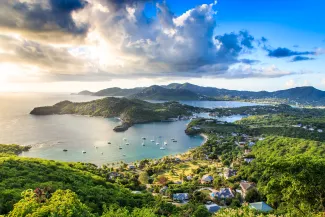
The timing of the Antiguan statement, issued during peak Caribbean winter travel season, underscores tourism officials' urgency in preventing booking cancellations or itinerary changes based on misinterpreted news coverage. January through April represents the most lucrative period for Caribbean destinations, when North American travelers seek warm-weather escapes from winter conditions. Antigua and Barbuda's 365 beaches, one for each day of the year according to local marketing, luxury resort inventory, historic sites including Nelson's Dockyard, and culinary offerings position the destination as a premium Caribbean choice. Any perception of travel complications, even unfounded ones, could redirect bookings to competing destinations during the industry's most profitable months.What Travelers Need to Know
U.S. citizens planning travel to Antigua and Barbuda face no new requirements, no additional documentation beyond standard passport validity, and no operational disruptions at airports or cruise terminals. The U.S. restrictions affect only Antiguan nationals applying for specific U.S. visa categories, creating a one-way limitation that does not extend to American travelers visiting the Caribbean nation. Travel advisors, airlines, and tour operators working with Antigua and Barbuda have received the same clarification, ensuring consistent messaging across distribution channels. The destination's proactive communication aims to prevent the kind of booking erosion that can occur when travelers conflate restrictions on one nationality with broader bilateral travel limitations. For photographers, adventure travelers, and expedition guests considering Caribbean assignments or winter itineraries, Antigua and Barbuda remains accessible with the same entry protocols that existed before January 1, 2026. The political dimension of the U.S. visa restrictions does not translate into practical complications for Americans traveling to the islands.More travel news
U.S. Customs and Border Protection to End Routine Passport Stamps
CBP announced routine passport stamping will end during primary inspection, with limited exceptions; foreign visitors can access admission and authorized-stay details through I-94 or CBP Link.

United Flight Attendants Can Refuse ICE Questions
Washington, United States - United flight attendants were told they may remain silent when ICE asks about passengers or coworkers as airport arrests increase nationwide.
Airlines Put Elite Status on a Higher Price Tag
NEW YORK, United States - Delta, United and other major airlines are raising elite status hurdles, leaving frequent flyers on discounted fares with less credit.

Carnival Rewards Sets Sail With Spending Based Status
Carnival Rewards ties cruise status to eligible spending while keeping separate recognition for lifetime sailing days.
About the Author

Jeff Colhoun
Jeff Colhoun is a photographer and filmmaker whose work has appeared in The Wall Street Journal, the Los Angeles Times, Matador Network and Barron’s.