
Significant Cost Advantages Drive Patient Volume
The report, titled "Turkey Cosmetic Surgery Tourism Market Analysis for 2025-2026," reveals that Turkish providers offer procedures at 50 to 75 percent below UK and US pricing, according to Travel EIN News. This pricing differential positions Turkey as an attractive destination for patients seeking rhinoplasty, hair transplants, liposuction, and other cosmetic procedures without sacrificing quality or safety standards. Medical Tourism Corporation projects the sector will reach USD 9.3 billion by 2035, reflecting sustained growth in international patient demand and Turkey's expanding infrastructure for medical aesthetics.What Turkey's Infrastructure Offers Medical Travelers
Turkey's cosmetic surgery tourism success stems from a combination of factors beyond pricing alone. The country has invested heavily in accredited facilities, multilingual support staff, and streamlined patient coordination systems designed specifically for international visitors. Major cities including Istanbul, Ankara, and Antalya host JCI-accredited hospitals and clinics staffed by board-certified surgeons trained in both Turkish and Western medical systems. The geographic positioning of Turkish medical hubs also appeals to European, Middle Eastern, and North American patients. Istanbul's dual-continent location offers convenient flight connections, while coastal facilities in Antalya and Izmir allow patients to combine recovery periods with resort-style accommodations overlooking the Mediterranean. Many Turkish providers have developed all-inclusive packages that bundle surgical fees, anesthesia, hospital stays, post-operative care, ground transportation, and hotel accommodations. This consolidation simplifies logistics for international patients unfamiliar with navigating foreign healthcare systems independently.Practical Considerations for Family Travelers
From a family travel perspective, Turkey's medical tourism model presents unique opportunities and challenges. The 1.1 million annual procedures documented by Medical Tourism Corporation suggest robust systems for managing international patient flow, yet families considering cosmetic procedures abroad must weigh several practical factors. Recovery timelines directly impact travel planning. Most facial procedures require seven to 14 days before patients can safely fly, while body contouring surgeries may demand three weeks or more. Families planning medical tourism must budget adequate time for post-operative monitoring, suture removal, and clearance from the treating surgeon before departing Turkey. Language barriers, though mitigated by multilingual staff at major facilities, remain a consideration for follow-up communications once patients return home. Verifying that your chosen clinic provides English-language discharge instructions, medication protocols, and telemedicine support prevents confusion during critical healing phases. The cost savings documented in the Medical Tourism Corporation report, 50 to 75 percent below US and UK pricing, can offset travel expenses for families. However, these savings assume uncomplicated procedures. Budgeting for potential extended stays, revision surgeries, or complication management ensures financial preparedness should recovery deviate from standard timelines.Evaluating Risk Against Reward
Turkey's position as a USD 3.5 billion market with 1.1 million annual procedures indicates scale and experience. High-volume facilities often demonstrate refined protocols and surgical expertise developed through repetition. Yet volume alone does not guarantee quality; individual surgeon credentials, facility accreditation status, and patient outcome data matter more than national statistics. Travelers considering Turkish cosmetic surgery should request detailed information about surgeon board certifications, complication rates for specific procedures, and the facility's protocol for managing post-operative emergencies. Accreditation by Joint Commission International or similar bodies provides independent verification of safety standards and quality controls. The projected growth to USD 9.3 billion by 2035 suggests Turkey will continue expanding its medical aesthetics infrastructure and refining patient services. This expansion may bring additional accredited facilities, enhanced technology platforms, and improved patient coordination systems. However, rapid growth can also strain quality controls if regulatory oversight fails to keep pace with market expansion. For families weighing medical tourism against domestic procedures, the calculus extends beyond immediate cost savings. Factor in time away from work, childcare arrangements during recovery, travel insurance that covers medical complications abroad, and the logistical complexity of managing post-operative care across international borders. These elements shift the true cost-benefit analysis beyond simple procedure pricing. Turkey's documented success in cosmetic surgery tourism reflects genuine infrastructure investment and competitive pricing. Whether those advantages outweigh the inherent complexities of combining elective surgery with international travel depends entirely on individual risk tolerance, procedure complexity, and willingness to manage healthcare coordination across continents.More travel news
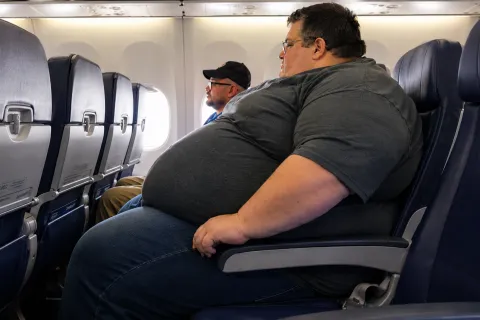
Southwest Reverses Plus-Size Seating Policy After Fury
Dallas, Texas - Southwest reverses a four-month-old policy that required plus-size travelers to purchase additional seats, backing down after sustained customer criticism.
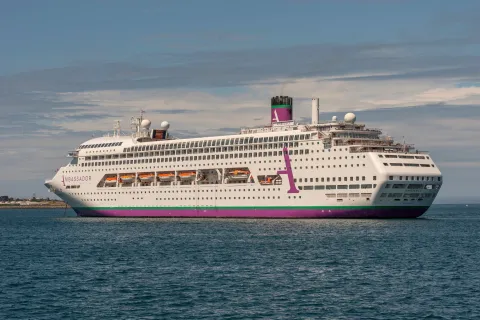
Ambassador and ORCA renew partnership for sixth season
Dover, UK - Ambassador Cruise Line's six-year partnership with ORCA brings marine conservation research and wildlife education to 22 sailings across 308 days at sea in 2028/29.
Southwest Struggles With Boeing 737 First Class Retrofit
DALLAS - Southwest Airlines is chasing premium travelers with new fare types and extra-legroom seats, but its all-economy cabins leave billions in revenue on the table.

Turkish Hotels Battle Beach Pollution Crisis
Antalya, Turkey - Turkish Riviera resorts launch expanded beach maintenance and conservation programs in response to growing scrutiny over litter, balancing tourism growth with environmental stewardship.

About the Author

Wilson Montgomery
Wilson Montgomery is a British-born travel writer who has carved a niche for himself with his compelling narratives about African travel and safari experiences.