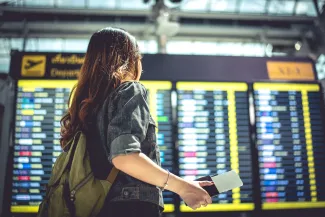
TORONTO, Canada - If you've been tracking flight prices to Asia or piecing together a multi-continent backpacking route lately, you might have noticed something off. Routes that used to be straightforward are suddenly convoluted, layovers have multiplied, and prices have crept up without explanation. The reason isn't demand or fuel costs this time; it's geography becoming politics, and the skies over the Middle East are closing.
Air Canada, Delta, British Airways, Lufthansa, Air France, KLM, and Cathay Pacific are all grappling with Middle East airspace restrictions, flight suspensions, and seasonal delays that are reshaping international travel in ways most passengers won't see until they're staring at a 14-hour detour on their booking screen, according to Travel and Tour World. These aren't minor route tweaks. We're talking about fundamental shifts in how airlines connect continents, and for travelers who depend on affordable, efficient long-haul flights, the fallout is real.
What's Actually Happening Up There
Middle Eastern airspace has long been a critical corridor for flights between Europe, North America, and Asia. It's the shortcut that makes a Toronto to Delhi flight feasible without stopping in three cities. When that airspace becomes restricted or unavailable, airlines have two choices: reroute dramatically or suspend service altogether.
Both are happening now. The restrictions aren't new in concept; geopolitical tensions have flared before. But the current wave is hitting multiple carriers at once, creating a synchronized disruption that affects passenger connectivity across continents. For travelers, this means fewer direct options, longer travel times, and the kind of logistical chaos that turns a simple itinerary into a multiday ordeal.
Travel and Tour World reported that the restrictions are compounding with seasonal delays, creating a perfect storm for international route planning. Summer is historically the peak season for long-haul travel, and airlines were already stretched thin trying to meet post-pandemic demand. Now they're doing it with one hand tied behind their backs.
Who This Hits Hardest
If you're booking a business class ticket with flexible dates and a corporate travel budget, you'll be inconvenienced. If you're a backpacker stretching a limited budget across six months and three continents, you're potentially screwed. The airlines facing these restrictions are the ones that dominate affordable long-haul connectivity. Air Canada, Delta, Lufthansa, and the rest aren't boutique carriers; they're the backbone of international budget travel for anyone who can't afford to fly Emirates or Qatar Airways.
For digital nomads and long-term travelers, this disrupts more than just a single trip. It affects visa runs, coworking community meetups, and the carefully calculated routes that make slow travel financially viable. A route that used to cost $600 with one layover might now require two stops and an extra $300, or it might not exist at all until airspace reopens.
Solo female travelers face additional concerns. Longer layovers mean more time in unfamiliar airports, often overnight. Rerouted flights can mean surprise stops in cities where visa requirements weren't part of the original plan. The unpredictability isn't just annoying; it's a safety and logistics calculation that changes every time an airline suspends a route.
Connectivity Isn't Just Convenience
When airlines talk about "passenger connectivity," they're referring to the network effect that lets you book a single ticket from a small city in Canada to a remote town in Southeast Asia. That connectivity depends on hub airports, codeshare agreements, and predictable routing through key airspace. Lose the Middle East corridor, and suddenly entire regions become harder to reach without stitching together multiple airlines, risking missed connections, and dealing with separate bookings that won't protect you if something goes wrong.
For travelers who rely on error fares, flight deal newsletters, and strategic layovers to make international travel affordable, this is a structural problem. The algorithms that find cheap routes depend on predictable hub patterns. When those patterns fracture, the deals dry up or become too complicated to actually use.
Rethinking Your Next Big Trip
I've spent enough time refreshing flight search engines at 2 a.m. in hostel common rooms to know that flexibility is the most valuable currency in travel. Right now, that means accepting longer routes, building in buffer days, and having backup plans for backup plans.
If you're planning a trip that would normally route through Middle Eastern airspace, assume it won't. Search alternatives now, even if they're more expensive, so you know what you're working with. Consider breaking a single long-haul flight into two separate bookings with a deliberate stopover; you'll lose some protection if things go wrong, but you might also find cheaper combinations that avoid the restricted corridors entirely.
For budget travelers, this is a moment to get creative with overland routes. A flight that's become prohibitively expensive might be replaceable with a train, bus, or ferry segment that adds adventure instead of just dead time in an airport lounge. South and Central America suddenly look more appealing when Asia requires three layovers and a mortgage payment.
Watch your airline's route announcements closely. Suspensions and reroutings are being announced with minimal notice, and if your flight gets canceled, rebooking options will depend on what's still operating. Join online communities where travelers share real-time updates; Reddit's travel forums and hostel Facebook groups are often faster than official airline channels.
The broader lesson here is one every long-term traveler eventually learns: the map is never as stable as it looks. Airspace closes, borders shift, and the routes that worked last year might not exist next month. The travelers who thrive aren't the ones with perfect plans; they're the ones who can pivot when the plan falls apart. Right now, the skies over the Middle East are reminding us that geography is never neutral, and every flight path is a negotiation with forces bigger than any airline's schedule.
More travel news
Air Canada Calls Seat Scraping a Federal Crime
WILMINGTON, Del. - Air Canada's lawsuit against popular award search tool Seats.aero escalates, with the airline claiming data scraping violates federal computer fraud law and the startup countering with antitrust allegations.
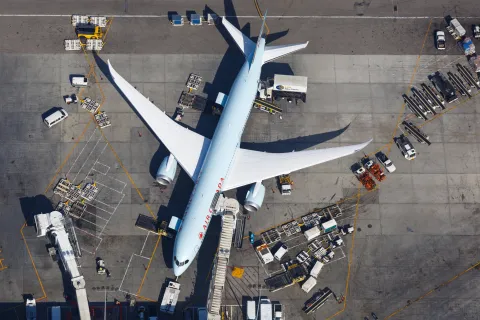
Major Airlines Cancel Dozens of Japan Flights in 2026
TOKYO, Japan - ANA, Air Canada, KLM, Jetstar, and Skymark grounded 17 flights across Japan's busiest airports, disrupting major routes to Toronto, Amsterdam, and key domestic cities.
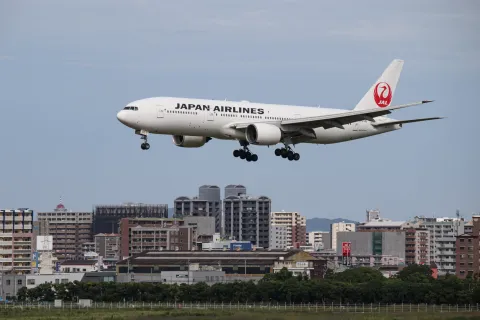
Air Canada Slashes 13 Global Routes Through Fall 2026
TORONTO, Canada - Air Canada suspends 13 international routes across Europe, Asia-Pacific, and Latin America despite maintaining dominant position with 274 daily international departures.
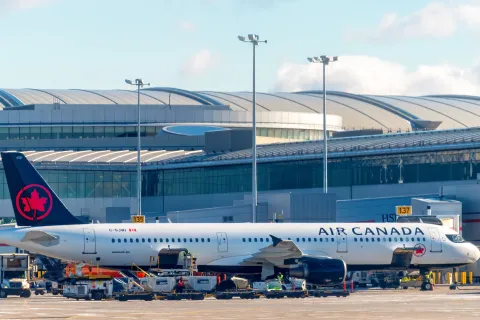
Lufthansa Cuts 25 Routes Amid Iran War Fuel Crisis
FRANKFURT, Germany - Lufthansa slashes 13% of its European flying as soaring jet fuel costs from the Iran war and the closure of its CityLine subsidiary force the carrier to rethink its short-haul network.
About the Author

Mariana Torres
Mariana is a 33-year-old travel writer and backpacker who specializes in finding the pulse of a place far beyond the tourist maps.