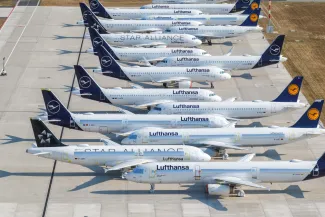
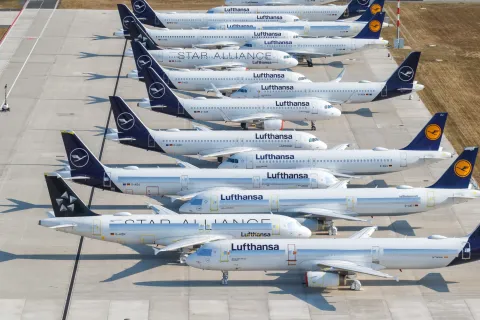
The jet fuel crisis triggered by the ongoing Strait of Hormuz closure just claimed another victim, and it's a big one. Lufthansa has pulled 2,000 flights from its summer schedule and shut down its entire CityLine regional operation a full year ahead of schedule, according to The Points Guy. The cuts span May through October, hitting right in the heart of Europe's busiest travel season. And Lufthansa isn't alone; Delta, United, Air Canada, Air France and Aer Lingus have all trimmed routes as fuel prices sit at highs unseen in years.
What's Getting Cut
The closure of Lufthansa CityLine represents the most dramatic piece of this puzzle. The regional carrier, which was already slated to wind down operations, is now being shuttered immediately. That means 27 Mitsubishi CRJ900 jets are coming out of service, taking roughly 120 daily flights with them. The broader 2,000-flight reduction targets routes that simply can't make money when fuel costs double. According to Simple Flying, cities like Bydgoszcz and Rzeszow in Poland, along with Stavanger in Norway, are losing service entirely. Ten other cities are seeing their direct connections to Frankfurt and Munich disappear. Lufthansa CFO Till Streichert didn't mince words about the cause, citing "sharply increased kerosene costs and geopolitical instability" as unavoidable drivers, according to Simple Flying.
The Math Behind the Misery
Here's the brutal reality: jet fuel prices have more than doubled since the Iran war began on Feb. 28. Europe is now paying $4.57 per gallon, compared to a global average of $4.38. That's an 82% increase globally, and it's forcing airlines to make choices they'd rather not make. Lufthansa expects to save around 40,000 metric tons of fuel with these cuts; that's roughly 10.5 million gallons. The airline has hedged 80% of its fuel needs, which provides some cushion, but even hedging can't fully absorb price swings of this magnitude. The airline insists fuel supply is "secured for the coming weeks," but that phrasing does more to raise questions than answer them. How many weeks, exactly? And what happens after that?
Where This Leaves European Travelers
If you're booked through Frankfurt or Munich this summer, here's what you need to know. Lufthansa is shifting some capacity to Brussels, Vienna and Zurich, so rebooking options exist, but they may not be convenient. Direct routes are vanishing; you might find yourself connecting through a Star Alliance partner hub instead of flying nonstop. The International Energy Agency's Fatih Birol warned in mid-April that Europe had "maybe six weeks" of jet fuel left, according to Simple Flying. EU officials dispute that timeline and insist there's no immediate crisis, but the fact that European leaders are scrambling to secure U.S. fuel imports tells you something about the confidence level behind closed doors. Other airlines are making similar moves. Norse Atlantic Airways suspended all flights to Los Angeles from multiple European cities; the budget long-haul carrier, which launched in 2022 with a fleet of 12 Boeing 787 Dreamliners, hasn't committed to a return date. Delta, KLM, Qantas and United have all announced cuts, though none have gone as far as retiring entire aircraft types yet.
The Bigger Fleet Shuffle
Beyond the immediate flight cancellations, Lufthansa is accelerating aircraft retirements to permanently reduce fuel burn. Four Airbus A340-600s are being pulled by summer's end, with six Boeing 747-400s following in 2027. These are gas-guzzling quad-engine jets that made sense when oil was cheap but become liabilities when fuel doubles. The focus of airline cuts industry-wide has been short-haul flights; long-haul routes, which generate higher revenue per passenger, are being protected. That's cold comfort if you're trying to reach a secondary European city this summer.
Navigating the Uncertainty
This isn't just about one airline or one season. Lufthansa's moves signal that the industry expects elevated fuel prices to persist through at least October. Airlines typically plan schedules months in advance; these cuts were announced on April 22, with specifics for May already communicated and the rest promised by month's end. What travelers should actually do depends on where and when you're flying. If your itinerary includes smaller airports in Poland, Norway or other secondary markets served primarily by regional jets, check your booking now. Lufthansa and partner airlines should be proactively rebooking affected passengers, but don't wait for them to contact you; call first if your flight is in the May through October window. For those still planning summer trips, consider booking through larger hubs with more route redundancy. Vienna, Zurich and Brussels are absorbing some of Lufthansa's shifted capacity, which might mean better availability there than at Frankfurt or Munich going forward. And keep an eye on fare trends. When capacity drops 1% across an airline's network, as Lufthansa's cuts represent, prices tend to drift upward. We haven't seen panic pricing yet, but if fuel shortages materialize beyond current hedging contracts, that could change quickly. The jet fuel crisis won't resolve itself on any timeline airlines can control. What started with a geopolitical conflict in the Strait of Hormuz has become a restructuring event for European aviation, and Lufthansa just showed us how deep those cuts might go.
More travel news
Major Airlines Battle Airspace Bans and Travel Chaos
TORONTO, Canada - Air Canada joins Delta, British Airways, Lufthansa, and other major carriers navigating Middle East airspace restrictions that threaten international route networks.

Lufthansa Cuts 25 Routes Amid Iran War Fuel Crisis
FRANKFURT, Germany - Lufthansa slashes 13% of its European flying as soaring jet fuel costs from the Iran war and the closure of its CityLine subsidiary force the carrier to rethink its short-haul network.
Panama Canal Fees Hit $4M as Iran Conflict Reroutes Ships
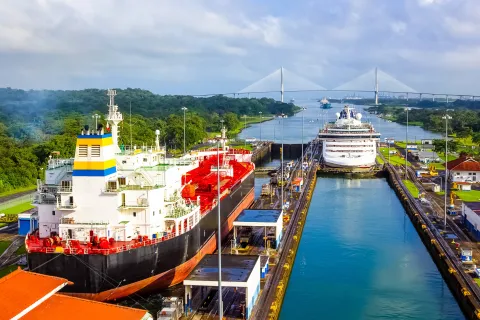
PANAMA CITY, Panama - The Iran war's closure of the Strait of Hormuz has triggered bidding wars for Panama Canal slots, with last-minute auction prices soaring to $4 million per vessel.
Cruise Lines Navigate Hormuz to Rescue Stranded Ships
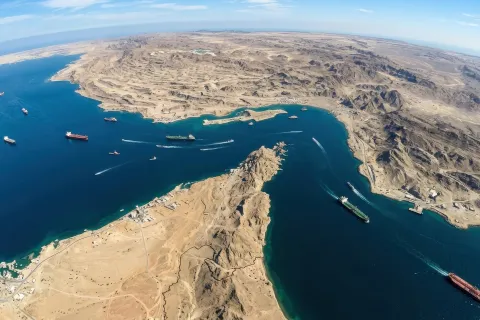
DUBAI, United Arab Emirates - Six cruise ships stranded in the Arabian Gulf since late February made successful transits through the temporarily reopened Strait of Hormuz, with agents commending operational coordination amid volatile geopolitical tensions.
About the Author

Bob Vidra
Bob Vidra, based in scenic Tahoe, is an esteemed tech editor known for his deep understanding of the dynamic intersection of technology, travel, and the outdoors.