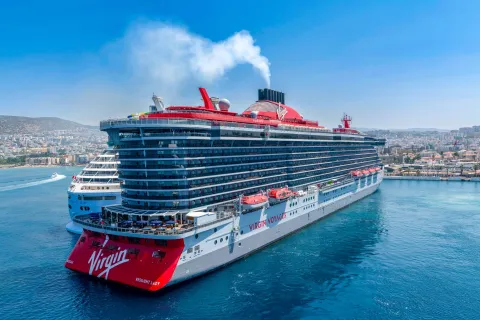
DUBAI, United Arab Emirates - When the Strait of Hormuz briefly reopened over the weekend of April 17, six cruise ships seized what might have been their only chance in weeks to escape a geopolitical trap. And if you're wondering whether cruise lines could pull off that kind of precision operation under pressure, travel agents are saying they absolutely did.
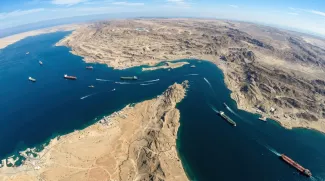
The six vessels had been stuck in the Arabian Gulf since late February, when escalating tensions between Iran, the United States, and Israel effectively shut down one of the world's most critical shipping lanes. That 21-mile-wide passage between Iran and the UAE normally handles about 20% of global oil trade; for nearly two months, it had been off-limits to commercial traffic.
A Brief Window, Six Ships, 48 Hours
Celestyal Discovery became the first cruise ship to make the transit on April 17, departing Dubai at 14:30 UTC, according to Cruise Industry News. Five more followed within 48 hours: Celestyal Journey on April 18 at 10:54 UTC, MSC Euribia at 11:11 UTC, and TUI Cruises' Mein Schiff 5 and Mein Schiff 4 at 11:44 UTC and 11:46 UTC respectively. Saudi Arabia's Aroya cleared the strait on April 19 at 19:15 UTC.
All six ships departed Gulf ports with skeleton crews and zero passengers aboard, repositioning toward delayed European summer programs that had been in limbo since the strait closure began February 28. Travel agents praised cruise lines' operational efforts in getting their ships through the strait during the temporary reopening, according to TravelPulse.
"The passage was completed in close coordination with the relevant authorities," an MSC Cruises spokesperson told Seatrade Cruise News. That coordination matters when you're threading multi-billion-dollar vessels through contested waters during a fragile ceasefire.
Getting European Seasons Back on Track
The successful transits mean previously canceled sailings are back on. MSC Euribia, which holds 4,888 passengers, is scheduled to resume Northern Europe sailings on May 16 from Kiel and May 17 from Copenhagen as originally planned, according to TravelPulse.
TUI Cruises' Mein Schiff 4 and Mein Schiff 5 are taking a longer route via Cape Town to resume sailings from Trieste on May 17 and Heraklion on May 15 respectively. "The past few weeks have presented us all with extraordinary challenges," Wybcke Meier, CEO of TUI Cruises, told the New York Times.
Celestyal Discovery and Celestyal Journey are repositioning to the Mediterranean. "Both ships are now repositioning to the Mediterranean to kick off their summer programs as scheduled," according to a Celestyal Cruises statement. Departures are set for May 1 and May 2 from Greek ports.
One complication? The strait closed again on April 18 in response to U.S. government actions, according to TravelPulse. That means the window was even narrower than it first appeared; ships that didn't move fast enough would have remained stranded.
The Logistics Behind the Headlines
Running six cruise ships through a contested waterway with skeleton crews during a ceasefire isn't exactly routine. These weren't quick jaunts; repositioning involved coordinating crew rotations in Cape Town and Malta, rerouting thousands of nautical miles, and managing the logistics of vessels designed to carry thousands of passengers but traveling empty.
The economic stakes were considerable too. Delayed European summer seasons translate to millions in lost revenue, not to mention the operational headaches of rebooking passengers, rescheduling port calls, and keeping crews employed during the standstill. Getting those ships out meant salvaging what remained of the summer cruise calendar in some of the industry's most lucrative markets.
Where This Leaves Travelers
If you had a booking on any of these ships, the good news is your cruise is likely back on schedule. MSC Euribia passengers booked for Northern Europe departures from mid-May onward should be fine. Same goes for guests on the Mein Schiff vessels and Celestyal's Mediterranean programs starting in early May.
That said, this whole episode highlights just how vulnerable global cruise operations are to regional conflicts. The Strait of Hormuz isn't some obscure backwater; it's a maritime chokepoint that connects the Arabian Gulf to the Indian Ocean and beyond. When geopolitical tensions flare there, cruise lines don't have many alternatives. Ships can't exactly detour around Iran.
For anyone considering future Arabian Gulf itineraries, it's worth remembering this wasn't a weather delay or a mechanical issue. These ships were stranded for nearly two months because of military actions beyond any cruise line's control. That's a different kind of risk than what most travelers factor into vacation planning.
The successful transits show cruise lines can execute complex operations under pressure, and agents are right to recognize that. But the fact that six ships needed a brief ceasefire just to leave port should probably give travelers pause about how stable that region really is for leisure cruising right now.
More travel news
Middle East Tourism Collapses Amid Regional Conflict
DUBAI, United Arab Emirates - Iran joins Israel, Saudi Arabia, UAE, Qatar, Iraq, Bahrain, Jordan, Syria, Egypt, and neighboring countries in an unprecedented tourism collapse, losing $600 million daily as conflict reshapes the region's travel landscape.

Dubai Hotels Shutter as Iran War Chokes Tourism
DUBAI, United Arab Emirates – Regional conflict sends Dubai's once-booming tourism industry into freefall, with hotel occupancy down more than half and luxury properties shuttering amid safety fears.

KLM Suspends Newcastle Routes to June Amid Mideast Crisis
Newcastle, England - KLM Royal Dutch Airlines suspends connections to Dubai, Riyadh, and Dammam from its Newcastle hub through mid-June, leaving UK travelers scrambling for alternatives.
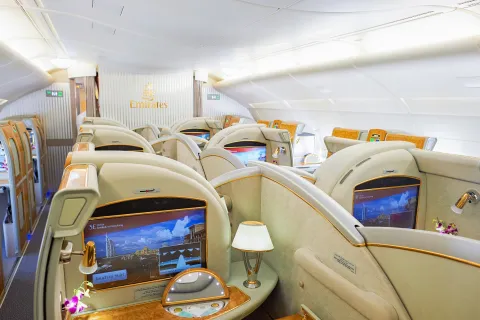
Emirates Plans Private Bathrooms for First Class
Dubai, United Arab Emirates - Emirates is exploring dedicated private bathrooms for every first-class passenger, a radical leap beyond its current A380 shower spas.
About the Author

Bob Vidra
Bob Vidra, based in scenic Tahoe, is an esteemed tech editor known for his deep understanding of the dynamic intersection of technology, travel, and the outdoors.