Elite Status Meets Cartel Chaos
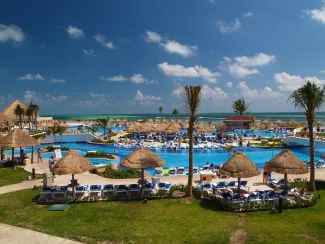
The Marriott Bonvoy Platinum Elite benefit includes late checkout up to 4 p.m. at participating properties, subject to availability. Resort properties have historically interpreted "availability" more strictly than urban hotels, citing housekeeping constraints and turn times for incoming guests. But on February 23, with inbound tourism collapsing and violence spreading through Puerto Vallarta, the guest felt the hotel had no legitimate reason to deny his request. The resort remained below capacity. Few guests were checking in. And yet the Westin held firm at 2 p.m., offering lounge access as consolation. The guest's original Reddit post has since been deleted, but not before the travel community captured and circulated his complaint. The response was swift and merciless. One commenter wrote, "Platinum elite won't save u from imminent danger. Titanium will tho," according to Viewfromthewing. Another asked, "The building next door is on fire and the pool is closed. How many points should I ask for?" The mockery reflected a broader tension in travel culture: the growing disconnect between loyalty program entitlements and real-world crisis conditions.Airport Closures and Stranded Tourists
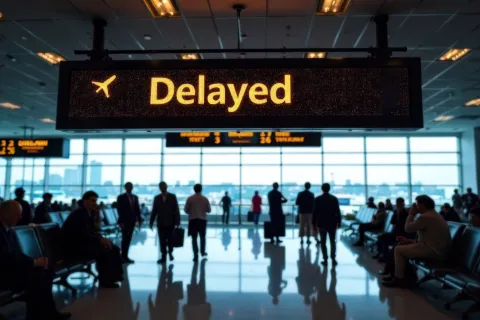
The violence that formed the backdrop to this checkout dispute was not trivial. The CJNG cartel mobilized its armed wing, known as Los Deltas, in response to El Mencho's killing, according to Viewfromthewing. More than 250 roadblocks appeared across 20 Mexican states. Flights were cancelled throughout western Mexico. Air Canada and WestJet diverted or cancelled dozens of flights. WestJet alone cancelled 37 flights to and from Puerto Vallarta while diverting seven others. Approximately 26,305 Canadian citizens registered with Global Affairs Canada were in Mexico at the time, many of them in affected areas. U.S. carriers followed similar protocols, grounding operations until airports could reopen safely. Tourists who had planned to depart found themselves stranded with no clear timeline for evacuation. The U.S. government issued guidance urging American tourists to remain at their hotel properties rather than attempt travel to the airport or other locations. For many guests, that meant extending stays involuntarily, sleeping in lobbies, or negotiating with hotel staff already stretched thin by the unfolding emergency.Staffing, Safety, and Hospitality Limits
The Westin Puerto Vallarta's refusal to extend checkout to 4 p.m. likely reflected operational constraints that had nothing to do with occupancy projections. Housekeeping staff faced roadblocks, uncertain transit conditions, and the same shelter-in-place advisories affecting guests. Even with low occupancy, turning rooms in a crisis environment is a different calculation than during normal operations. Hotels are not designed to function as shelters during armed conflict or civil unrest. Their staff are not security professionals. Their systems are optimized for predictable guest flows, not for managing extended stays under duress while coordinating with consular officials and navigating local violence. Yet loyalty programs promise benefits "subject to availability" without defining what constitutes legitimate unavailability. The Platinum Elite member at the Westin believed his status entitled him to flexibility during a low-occupancy period. The hotel, managing an environment where employees might not be able to safely reach the property, drew a different line.The Memes Write Themselves
Social media erupted with sarcasm. Images of burning roadblocks appeared next to screenshots of the guest's complaint. The juxtaposition of elite status and cartel violence became a meme almost instantly, circulating through travel forums, Twitter, and travel blog comment sections. The guest's follow-up posts, now deleted, reportedly doubled down on his complaint before the backlash grew too severe. The internet does not forgive tone-deaf grievances, especially when the stakes involve armed retaliation and civilian safety. But underneath the mockery lies a legitimate question: what do loyalty benefits actually guarantee when conditions deteriorate? Hotels routinely cite availability or operational needs to deny late checkouts, even when rooms sit empty. Guests, in turn, expect transparency and consistency. The Westin's decision may have been justified, but the lack of clear communication about why availability was constrained left room for resentment.What Travelers Should Know
This incident exposes the limits of loyalty program benefits during crises. Elite status does not override safety protocols, staffing shortages, or force majeure conditions. Hotels retain discretion to interpret "subject to availability" broadly, and that discretion expands during emergencies. Travelers heading to regions with political instability, cartel presence, or infrastructure vulnerabilities should plan for contingencies that include extended stays, cancelled flights, and reduced hotel services. Loyalty status may smooth the process under normal conditions, but it does not guarantee special treatment when governments issue shelter-in-place advisories. Mexico remains one of North America's most visited destinations, with millions of tourists annually visiting resort corridors along the Pacific and Caribbean coasts. Most visits proceed without incident. But cartel violence, particularly in states like Jalisco, Michoacán, and Sinaloa, can escalate quickly and disrupt transportation networks across wide areas. The February 23 incident at the Westin Puerto Vallarta will likely become a case study in travel forums for years: a perfect collision of entitlement, crisis, and the fragile contract between guests and hotels when everything goes sideways.More travel news
US Warns Travelers: Mexico Border Zones Turn Dangerous
WASHINGTON - The State Department raised Tamaulipas and parts of Coahuila to its highest warning level after 12 died in a January ambush and kidnappings surged 45 percent along smuggling corridors.
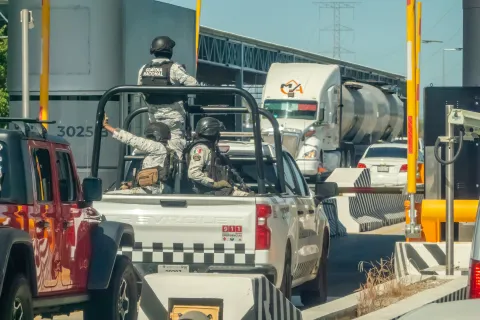
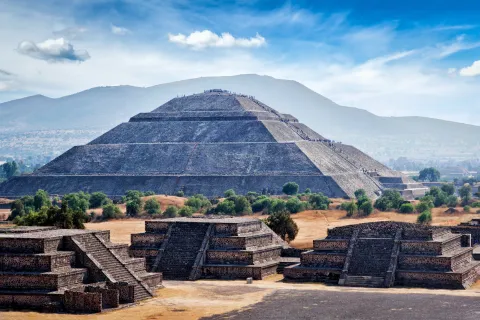
Canadian Tourist Killed in Teotihuacan Pyramid Attack
TEOTIHUACAN, Mexico - A lone gunman killed a Canadian tourist and wounded at least five others at one of Mexico's most visited archaeological sites before taking his own life.
Turkey Mexico Egypt Tunisia Trips Risk Stomach Bug
LONDON, United Kingdom — A surge in gastrointestinal infections among British holidaymakers returning from four popular destinations has prompted health experts to issue targeted travel advisories.
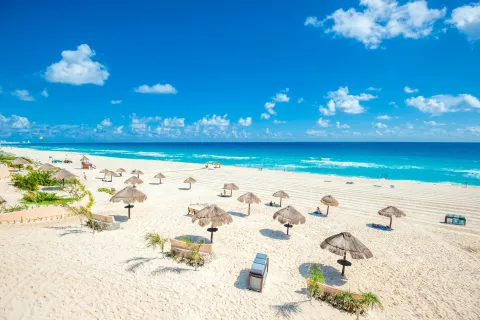
Cancun Stays Safe Despite Mexico Gang Violence Fears
CANCUN, Mexico — Gang violence in western Mexico has prompted safety questions about Cancun, but experts say the Caribbean resort destination remains secure as spring break approaches.
About the Author

Mariana Torres
Mariana is a 33-year-old travel writer and backpacker who specializes in finding the pulse of a place far beyond the tourist maps.