Shooting at Teotihuacan Pyramid Leaves Canadian Tourist Dead, Multiple Injured
TEOTIHUACAN, Mexico - A Canadian woman was shot and killed at the Teotihuacan archaeological site on April 20, 2026, after a gunman opened fire from atop the Pyramid of the Moon, wounding at least five other tourists before dying from a self-inflicted gunshot wound. The attack occurred around 12:30 p.m. local time at the UNESCO World Heritage site located 40 to 50 kilometers northeast of Mexico City, sending hundreds of visitors fleeing the ancient complex.What Happened at the Site
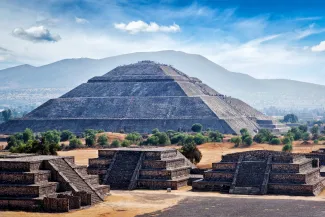
The gunman climbed to an upper level of the Pyramid of the Moon, one of Teotihuacan's most prominent structures, and began firing on tourists below, according to Travel Weekly. At least six tourists sustained injuries during the incident; gunshot wounds struck one other Canadian, two Colombians, and one Russian, while two additional victims suffered injuries from falls amid the chaos. "It seemed to be one lone shooter who went up the highest point the Moon Pyramid and started firing," said Ioan Grillo, a FRANCE 24 reporter covering the incident. Mexican National Guard units, state police, and forensic teams rapidly secured the archaeological complex following the attack. Authorities recovered a firearm, bladed weapon, and ammunition from the scene. All injured victims were transported to area hospitals; their current conditions have not been publicly released. The suspect's identity and motive remain under investigation. Mexican authorities have described the attacker as acting alone, with no indication the incident represented a targeted assault on tourism infrastructure.Official Response from Both Governments
Canadian Foreign Affairs Minister issued a statement acknowledging the tragedy. "My thoughts are with their family and loved ones, and global affairs consular officials are in touch to provide assistance," the minister said. Mexican President Claudia Sheinbaum expressed condolences to the victims and ordered a full investigation into the shooting. "I express my sincere solidarity with those affected and their families. We are in contact with the Canadian embassy," Sheinbaum said. The Canadian government maintains a travel advisory for Mexico recommending a high degree of caution due to varying security conditions across different regions. Consular officials are providing support to the families of the deceased and injured Canadian nationals.Teotihuacan's Role in Mexico Tourism
Teotihuacan ranks among Mexico's most visited archaeological destinations, drawing hundreds of thousands of international tourists annually to its sprawling complex of pyramids, plazas, and murals. The site's two main structures, the Pyramid of the Sun and Pyramid of the Moon, dominate the ancient city built between the first and seventh centuries. The location sits within relatively easy reach of Mexico City, making it a standard day trip for cruise passengers visiting nearby ports, tour groups based in the capital, and independent travelers exploring central Mexico's cultural corridor. Its proximity to major transportation hubs and established tourism infrastructure has made Teotihuacan a cornerstone of Mexico's heritage tourism economy. This incident marks an unprecedented act of violence at the archaeological site, which has historically operated without significant security incidents despite heavy daily visitor traffic.Security Protocols at Heritage Sites
Mexican archaeological sites typically employ a mix of federal police, site security personnel, and surveillance systems. Teotihuacan, given its size and visitor volume, maintains a visible security presence, though access to pyramid structures remains relatively open compared to some other heritage locations that have restricted climbing due to preservation concerns. The Pyramid of the Moon rises approximately 43 meters above the plaza floor. While climbing the structure requires navigating steep stone steps, public access to upper levels has remained available for decades as a key component of the visitor experience. Whether authorities will implement enhanced screening procedures, restrict access to elevated areas, or increase armed security presence remains to be determined pending completion of the investigation.Where This Leaves Travelers to Mexico
This wasn't a cartel confrontation in a border zone or drug violence spilling into a tourist corridor. It was a lone individual with a firearm at a controlled archaeological site in broad daylight, surrounded by security infrastructure and within an hour of the capital. That reality lands differently than the general caution most experienced Mexico travelers already factor into their planning. For anyone with bookings to central Mexico or cruise itineraries including Teotihuacan as a shore excursion, the calculus hasn't fundamentally shifted in terms of regional security patterns. This appears to be an isolated act by a single shooter, not a systemic breakdown in site security or an indicator of escalating threats to heritage tourism. Mexican authorities responded quickly, contained the situation, and the suspect is deceased. That said, travelers heading to major archaeological sites should expect visible changes in the near term: likely increased security screening, possible restrictions on climbing certain structures, and heightened law enforcement presence at Teotihuacan and potentially other high-profile locations like Chichen Itza, Palenque, and Monte Alban. Tour operators and cruise lines will almost certainly reassess their security protocols for guided excursions. Some may temporarily suspend Teotihuacan visits while authorities finalize new measures. The larger question is whether this proves to be an aberration or signals a vulnerability at crowded heritage sites that have operated with relatively light security for decades. Right now, evidence points to the former. But anyone planning travel to Mexico's archaeological destinations should monitor official statements from both Mexican tourism authorities and their own government's travel advisories for updates on security enhancements and site access policies in the coming weeks.More travel news
Air Canada Slashes 13 Global Routes Through Fall 2026
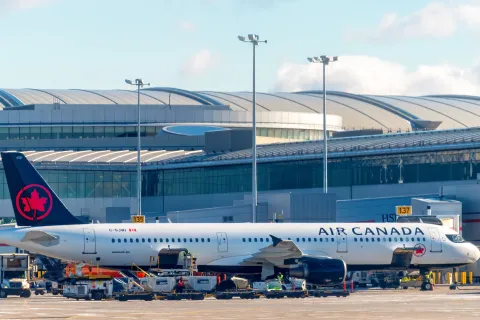
TORONTO, Canada - Air Canada suspends 13 international routes across Europe, Asia-Pacific, and Latin America despite maintaining dominant position with 274 daily international departures.
US Warns Travelers: Mexico Border Zones Turn Dangerous
WASHINGTON - The State Department raised Tamaulipas and parts of Coahuila to its highest warning level after 12 died in a January ambush and kidnappings surged 45 percent along smuggling corridors.
Tourists Bypass America Despite Worldwide Travel Surge
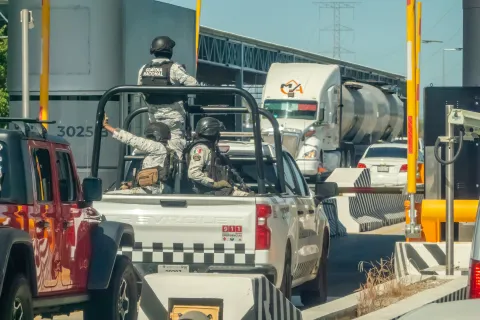
WASHINGTON, D.C. - The United States is losing ground in global tourism as visitors skip American destinations for faster-growing markets in Asia-Pacific and Europe, despite the strongest worldwide travel boom in years.
Airlines Ban Charging Power Banks on All Flights
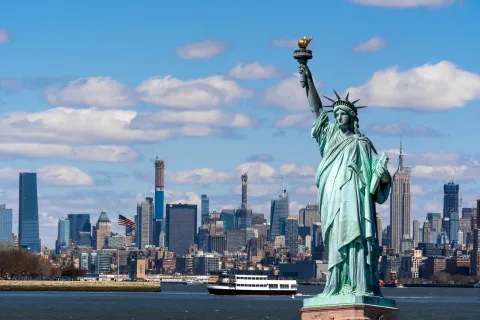
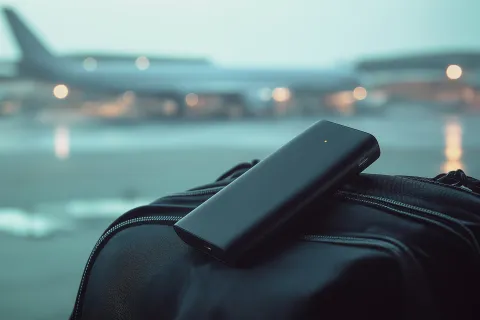
Montreal, Canada - ICAO implements first coordinated global standard on portable batteries, restricting international passengers to two power banks and banning inflight charging.
About the Author
Jeff Colhoun
Jeff Colhoun is an acclaimed travel writer, photographer, and filmmaker, whose work is respected both in the United States and internationally.