Stay current with our travel tips coverage.
What We Know About Art Avenue So Far
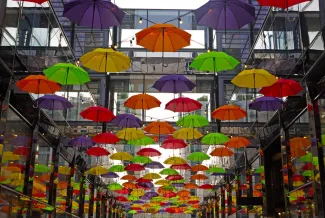
Art lovers planning District getaways have fresh reasons to circle fall 2025 on their calendars: a brand-new corridor of larger-than-life installations called Art Avenue is set to transform Washington, D.C.’s Golden Triangle, according to a press release by the Golden Triangle Business Improvement District.
While the announcement leaves many creative details under wraps, the release confirms that Art Avenue will stretch along Connecticut Avenue NW between the White House and Dupont Circle, turning one of the city’s busiest commercial spines into an open-air gallery. The project is billed as the “first-ever Art Avenue” for the neighborhood and aims to fuse retail, dining, commuting, and culture in one walkable package.
Why the Golden Triangle Matters to Travelers
Most visitors already pass through the Golden Triangle without realizing it. The 43-block expanse covers roughly from K Street north to M Street and from 16th Street west to 21st Street. Federal offices, boutique hotels, embassies, and restaurants crowd the grid, and transit connections are exceptional: three Metrorail lines converge at Farragut West and Farragut North, with additional stops at Dupont Circle and Foggy Bottom-GWU.
Come rush hour, commuters pour out of the surrounding office towers, but on weekends the sidewalks thin, leaving plenty of elbow room for travelers to explore. Art Avenue intends to keep those sidewalks lively seven days a week by installing sculptures, interactive light pieces, and other multimedia works in curb extensions, medians, and building plazas.
Public Art as an Urban Travel Magnet
Washington has embraced public art in recent years—from the massive murals of NoMa to the seasonal exhibits in the National Arboretum—but the Golden Triangle’s forthcoming showcase is designed to concentrate creativity along a single, easily navigable spine. That means visitors can stroll the entire avenue in 15–20 minutes, or linger block by block between coffee dates and museum tours. Travel scholars regularly cite open-air art as a low-barrier access point that entices new audiences and supports local economies. In short: travelers spend more time (and dollars) in neighborhoods where there’s something unexpected to see.
Timing Your Trip: Key Dates and Planner Tips
- Launch window: The press release pegs the opening for “fall 2025,” though an exact inauguration date has not been named. Early October often offers ideal sightseeing weather—sunny days in the upper 60s and crisp evenings perfect for patio dinners.
- Best viewing hours: Connecticut Avenue’s office crowds thin after 6 p.m., making twilight strolls spacious. Many installations will be illuminated, so night photography is encouraged.
- Recommended trip length: Pairing Art Avenue with adjacent museums (Renwick Gallery, National Geographic) and nightlife in Dupont Circle or the 14th Street Corridor creates a seamless three-day weekend.
What to See Nearby While You Wait for 2025
Until the art arrives, travelers can preview the neighborhood’s creative pulse at these current standouts:
- MuralsDC pieces on 19th and M Streets: Vivid spray-paint portraits liven up blank brick walls.
- Franklin Park: Recently renovated with new fountains, seating, and rotating public art, the four-acre green offers a quick nature break two blocks east of the Golden Triangle core.
- Smithsonian Renwick Gallery: One Metro stop away, this museum focuses exclusively on contemporary craft and often features immersive, Instagram-ready rooms.
Coffee, Cocktails, and Culture Pairings
To turn your art walk into a full-on food crawl, plot breaks at:
- Colada Shop (Marriott HQ Building): Cuban coffee, pastelitos, and rooftop views.
- Duke’s Grocery (Dupont Circle): British-inspired pub fare—try the Proper Burger before your evening stroll.
- Imperial (19th Street): Craft cocktails upstairs, raw bar downstairs, and a moody speakeasy in the basement.
How to Navigate the Future Art Avenue
Even seasoned visitors can find Connecticut Avenue’s four-lane traffic intimidating. Early design sketches referenced in the release mention sidewalk bump-outs and curb extensions that double as sculpture pads. These elements will shorten crossing distances and signal to motorists that pedestrians rule the corridor. Expect:
- Way-finding pylons at every cross-street with QR codes for artist bios and audio guides.
- Bike-share docks relocated to mid-block so they do not obstruct artworks.
- Weekend street closures for pop-up markets and performance art.
While exact features could shift during final design, the overarching goal is walkability. Bring comfortable shoes and a phone charger—nothing kills an art walk faster than a 5 percent battery.
Accessibility Notes
The Golden Triangle BID has prioritized ADA-compliant ramps and tactile pavers. Wheelchair users should find curb cuts at every corner; audible walk signals are already in place at key intersections.
Lodging Options Within a Short Walk
Choosing a hotel inside or near the Golden Triangle means you can pop in and out of Art Avenue installations at your leisure.
- The Mayflower Hotel, Autograph Collection: Historic grandeur with modern rooms; two blocks from Farragut North Metro.
- The Jefferson: Boutique luxury just south of Scott Circle; acclaimed bar and library lounge.
- Yours Truly DC: Bohemian attitude on Rhode Island Avenue with in-house vinyl library and café.
Budget travelers will find reliable chain options within Metro reach—check rates around Foggy Bottom-GWU or across the river in Rosslyn.
Frequently Asked Questions
Will Art Avenue cost anything to visit? No. As a linear public-space installation, the corridor is free and open 24/7.
Who is funding the project? The Golden Triangle BID is spearheading the effort through a mix of private assessments, corporate sponsorships, and anticipated grants from the DC Commission on the Arts and Humanities.
Can travelers book guided tours? Nothing is scheduled yet, but the BID historically partners with DC Design Week and WalkingTown DC to offer docent-led walks; watch their website for 2025 registration links.
What happens to the art after the inaugural year? The release hints at a rotating model: temporary pieces could swap out annually, encouraging repeat visits.
Washington, D.C. is already an art powerhouse, but the city’s newest cultural corridor promises a different vibe—one where commuters, tourists, and lunchtime regulars share the same sidewalk gallery. If your travel style leans toward spontaneous discovery, plan on booking a fall 2025 visit. Combining Art Avenue in DC’s Golden Triangle with Smithsonian standbys and Dupont nightlife could be the capital’s most balanced itinerary yet.
Whether you’re a repeat visitor looking for fresh angles on the city or a first-timer hoping to maximize museum hours and outdoor hangs, pencil in Golden Triangle’s Art Avenue for a free, immersive art experience under open skies. — Source: Golden Triangle Business Improvement District press release
More travel news
Journeyscape Unveils DC Tours for America's 250th
Washington, DC - New curated experiences shift focus from monuments to modern neighborhoods, highlighting diverse voices ahead of the nation's semiquincentennial.

Trump widens travel ban to 30 nations after DC guard attack
Washington D.C. — The Biden-era traveler must now weigh a potential U.S. travel ban covering up to 32 countries after a National Guard attack in the capital.
Southwest Eyes Long-Haul Routes, Lounges and Widebodies
Washington, D.C., travelers could someday fly Southwest on long-haul routes, relax in new lounges and even step aboard widebody jets as the airline rethinks its model.

Southwest to curb free extra seats for larger passengers
United States — Southwest Airlines trims its longstanding extra-seat refund policy, forcing some larger travelers to pay double unless a flight has empty seats.

About the Author
Bob Vidra
Bob Vidra, based in scenic Tahoe, is an esteemed tech editor known for his deep understanding of the dynamic intersection of technology, travel, and the outdoors.