
Stay current with our travel advisories coverage.
LGBTQ+ Travelers Face Detention Risk in Multiple Jurisdictions
Among the updated advisories, one of the most consequential involves potential detention of 2SLGBTQI+ persons in certain countries. The Canadian government uses the term 2SLGBTQI+ to include Two-Spirit, lesbian, gay, bisexual, transgender, queer, intersex, and additional identities. This isn't theoretical risk. It's based on documented cases of arrest, prosecution, and imprisonment under laws that criminalize same-sex relationships or gender expression. For travelers accustomed to protections at home, crossing into jurisdictions where identity itself can trigger legal consequences requires a complete recalibration of behavior and visibility. The advisory functions as a blunt instrument: it tells you where the risk exists but leaves the decision-making to the individual. Some destinations maintain colonial-era statutes that remain on the books and are actively enforced. Others have introduced new legislation targeting LGBTQ+ individuals in recent years. The practical outcome is straightforward. If you're planning travel to a country flagged for detention risk, you need to assess whether the destination is worth the exposure. That calculation changes depending on whether you're traveling solo, with a partner, for work, or as part of a group. The Canadian government's role is to surface the risk. Managing it falls to the traveler.Banned Items and Strict Regulatory Enforcement
Canada's updated advisories also highlight banned consumer products that carry penalties severe enough to warrant advance notice. Singapore, a transit and business hub for North American travelers, maintains strict regulations on items legal elsewhere. Vaping products illustrate the complexity. Cigarettes remain legal in Singapore for adults aged 21 and above, but their sale and use are strictly regulated, according to Travel EIN News. The distinction matters because enforcement in Singapore is precise and penalties are disproportionate by Western standards. What's permissible at home or in other countries means nothing when you clear customs in a jurisdiction with zero-tolerance policies. Travelers accustomed to carrying CBD products, certain medications, or other items need to verify legality before departure. The advisory system exists precisely because most travelers don't research import restrictions until they're standing in a customs hall.Entry Requirements and States of Emergency
The advisories also flag changing entry requirements and declared states of emergency in multiple countries. Entry rules shift constantly, driven by political decisions, health concerns, or security threats. A visa waiver program in effect last year may no longer apply. A destination that required no advance documentation may now mandate electronic travel authorization. The Canadian government tracks these changes because individual travelers often don't until they're denied boarding. States of emergency carry a different weight. When a government declares an emergency, it typically expands law enforcement powers, restricts movement, and suspends certain legal protections. For travelers, that translates to unpredictable conditions. Curfews can materialize without notice. Demonstrations that start peacefully can escalate rapidly. Infrastructure you counted on may not function. The advisory doesn't tell you to cancel your trip. It tells you the operating environment has changed and you need to factor that into your planning. If you're heading into a destination under a declared emergency, your contingency planning needs to include exit strategies, communication backup, and flexibility around itineraries.Illness and Injury Considerations
Health risks also feature in the updated advisories, covering both endemic diseases and healthcare infrastructure limitations. Illness and injury warnings address destinations where medical facilities don't meet Canadian standards or where specific diseases present elevated risk. This matters most for travelers with existing health conditions, elderly travelers, and families with young children. The reality in many developing regions is that healthcare access is inconsistent. A manageable condition at home can become life-threatening when you're hours from adequate care. The advisory system doesn't discourage travel to these destinations. It forces a conversation about medical evacuation insurance, pre-trip health consultations, and understanding where the nearest competent medical facility is located.What Travelers Need to Do Now
Canada's updated advisories function as a starting point, not a complete risk assessment. If you're planning international travel in 2026, the baseline task is simple: check the current advisory for your destination before you book. If the advisory has changed recently, read the details. Understand what specific risks apply to you based on your identity, health status, and travel behavior. For destinations flagged with legal risks, banned items, or states of emergency, the planning conversation shifts from itinerary optimization to risk mitigation. That means travel insurance that covers emergency evacuation, registration with Global Affairs Canada's travel registry, and maintaining situational awareness throughout your trip. The Canadian government's advisory updates reflect a world where travel risk is more granular and more consequential than it was a decade ago. The travelers who thrive in that environment are the ones who treat advisories as intelligence, not obstacles.More travel news
Air Canada Teases Five New Global Routes for 2027
MONTREAL, Canada - Air Canada is teasing five international routes for summer 2027, turning airport codes, visual clues and a ticket contest into a guessing game.

United Plots Europe Expansion With A321XLR Fleet
Washington, United States - United Airlines is mounting its largest international expansion, adding 10 destinations across Europe and Asia during 2027.
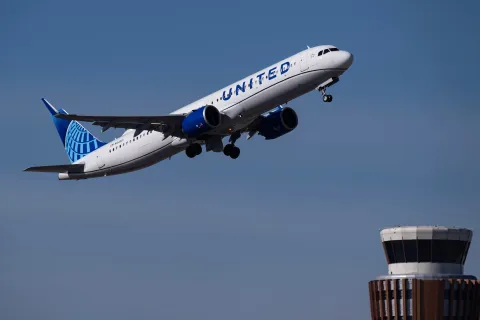
United Adds 10 New Routes in Record Global Expansion
Newark, United States - United Airlines is making its largest international expansion yet, targeting strong leisure demand with new routes to Europe and Asia.

US and Canada Raise Travel Alerts Across Key Hotspots
Washington, United States - Updated North American travel advisories sharpen warnings for Tanzania and South America, with localized risks requiring closer trip planning.

About the Author

Dana Lockwood
Dana Lockwood is a Travel Writer at Jetsetter Guide covering budget solo travel from her base in Denver, Colorado.