Stay current with our hotel news coverage.
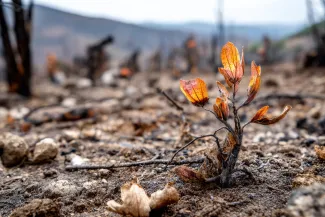
The Kundu shoreline, one of the busiest holiday corridors outside Antalya, was leveled by smoke and sirens this weekend as a fast–moving wildfire edged close to a string of all-inclusive resorts. The same Mediterranean province of Antalya is again in the spotlight just days after a separate blaze flared near Alanya, keeping southwestern Turkey—and the travelers who flock here—on high alert.
What exactly is burning in southern Turkey?
Local authorities say Saturday night’s fire ignited in the pine forests behind Kundu, a neighborhood framed by five-star hotels and golf courses. Gusts pushed flames northwest into parts of Mugla and Aydin provinces, extending the fire line well beyond its original perimeter. 800 firefighters 20 helicopters 14 additional fixed-wing aircraft Those are the official figures for personnel and equipment deployed in the first 24 hours, according to information provided by the Antalya Governorship. Crews attacked the flames from the ground and the air, taking advantage of lower overnight temperatures to cut containment lines around several hotel compounds.
Why travelers should pay attention
Southern Turkey’s seemingly endless summer has been both a blessing and a curse this year. Unseasonably high temperatures, drought-like soil and bursty winds have set conditions for “a truly great disaster,” President Recep Tayyip Erdogan said during a televised address Sunday afternoon. The same meteorological cocktail has already scorched large swaths of Greece, Italy, and Spain. For visitors, the practical concern is that roads into and out of Antalya’s tourism zones can close without warning. In July, more than 3,500 people evacuated Bursa—Turkey’s fourth-largest city—as a separate blaze menaced the main highway to Ankara, and more than 1,000 firefighters were rotated through that incident before it was contained.
The latest Foreign Office guidance
The United Kingdom’s Foreign, Commonwealth and Development Office (FCDO) issued an updated Turkey travel advisory over the weekend, underscoring that wildfires occur “frequently” in the country’s coastal provinces during the summer. Key points for U.K. nationals, and really any traveler, include:
- You can be fined—or even jailed—for lighting a fire or discarding cigarettes in restricted woodland zones.
- Pay attention to signage around beaches, campsites, and trekking routes that explicitly ban open flames, barbecues, and smoking.
- If local officials order an evacuation, leave your accommodation immediately and follow marked evacuation routes to pre-designated shelters or assembly points.
- Should you spot a new fire, call Turkey’s emergency line at 112 and provide the closest landmark or kilometer marker.
Alanya’s déjà vu moment
Only two days before the Kundu outbreak, a wildfire erupted in forestland behind Alanya another marquee beach resort inside Antalya province on Thursday, September 18. “Emergency services were working at speed to put out the blaze,” Deputy Mayor Murat Levent Koçak said during a briefing with local reporters. That earlier fire was contained before it hit the coastline, yet it added strain to regional resources that were already stretched thin.
Understanding Turkey’s wildfire season
Turkey’s fire regime has shifted noticeably over the past decade, according to the Ministry of Agriculture and Forestry. Longer heatwaves are pushing the critical burn window from late July well into September, and decreasing rainfall is depriving pine and cedar forests of the moisture that once acted as a natural brake. Travelers who remember the country’s record-breaking 2021 season which forced mass evacuations in Bodrum and Marmaris will find this year’s playbook familiar: aggressive early detection by satellite, massive aerial sorties during daylight, and a robust reliance on volunteer brigades for spot-fire patrols at night.
Tips for Travelers
- Verify your hotel’s evacuation plan. Many properties now publish PDF maps on their websites; download them before arrival.
- Pack a KN95 mask. Smoke can linger for days after a blaze is declared contained, especially in valley resorts such as Göynük.
- Purchase flexible transport. If you’re flying into Antalya, consider purchasing an airline or rail ticket that allows for same-day changes in case roads close.
- Monitor local channels. TRT Haber (English) and the Disaster and Emergency Management Authority’s (AFAD) Twitter feed provide timely updates.
- Stay insured. Verify that your travel policy covers “natural disaster–related trip interruption.” Some budget policies exclude wildfires.
Frequently Asked Questions
Are the airports open?
As of the latest reports Monday morning, Antalya Airport (AYT) and nearby Gazipaşa–Alanya Airport (GZP) remain operational. Flight paths have not been rerouted, and no smoke incursions have been reported inside terminal buildings.
Which resort zones are affected?
Kundu experienced the most direct threat. Mugla’s inland villages saw precautionary evacuations, while the tourist districts of Fethiye and Bodrum continue to operate normally. Alanya’s beaches reopened once crews suppressed hotspots in the hills above the town.
Will my package holiday be refunded?
Refund eligibility depends on individual tour operators and insurance clauses. Generally, a government-ordered evacuation or a Foreign Office “do not travel” directive is required for automatic refunds to be issued.
Looking ahead
Climatologists see no immediate relief. Forecast models from the Turkish State Meteorological Service predict daytime highs above 30°C along the Mediterranean coast for at least another week, with humidity levels in the teens. Those conditions mean that even controlled campfires can turn catastrophic within minutes. Travel companies are responding by hard-wiring contingency plans into their itineraries. Several U.K.-based operators now list alternative inland hotels in Konya or Cappadocia as potential reroute options. Cruise lines are likewise building extra sea days into itineraries in case calls at Kusadasi, Marmaris, or Antalya have to be skipped on short notice.
Bottom line for jet-setters
Turkey’s Turquoise Coast remains one of the most alluring—and, this season, most combustible stretches of the Mediterranean. With 800 firefighters still mopping up hotspots near Kundu and helicopters thumping overhead, travelers need to pair their sunscreen with situational awareness. If you follow local instructions, respect fire bans, and keep a flexible itinerary, you can still enjoy Turkey’s late-summer sun and world-class ruins. Just be prepared to move if the wind shifts.
— as Koçak told local reporters.
More travel news
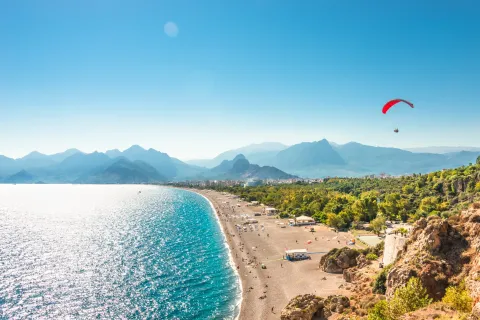
Turkish Hotels Battle Beach Pollution Crisis
Antalya, Turkey - Turkish Riviera resorts launch expanded beach maintenance and conservation programs in response to growing scrutiny over litter, balancing tourism growth with environmental stewardship.
Turkey Leads Global Cosmetic Surgery Tourism at $3.5B
DALLAS, Texas - Medical Tourism Corporation reveals Turkey performs 1.1 million aesthetic procedures annually, generating USD 3.5 billion and capturing market share with dramatic cost advantages.

Turkey Mexico Egypt Tunisia Trips Risk Stomach Bug
LONDON, United Kingdom — A surge in gastrointestinal infections among British holidaymakers returning from four popular destinations has prompted health experts to issue targeted travel advisories.
US warns Americans about Turkey Cyprus terror risks
WASHINGTON — New U.S. travel advisories for Turkey and Cyprus highlight elevated risks from terrorism and regional armed conflict as Middle East tensions complicate security conditions.
About the Author

Mariana Torres
Mariana is a 33-year-old travel writer and backpacker who specializes in finding the pulse of a place far beyond the tourist maps.