Stay current with our cruise news coverage.
What the State Department Is Warning About
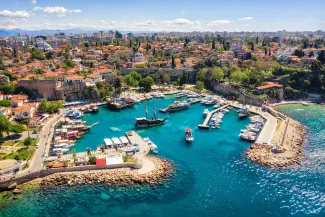
For Turkey, the advisory cites three specific concerns: terrorism, armed conflict, and arbitrary detentions. The language is deliberate. This is not a blanket "do not travel" warning. It is a Level 2 advisory, meaning the State Department sees enough risk to warrant heightened awareness but not enough to recommend avoiding the country entirely. That distinction matters, especially for travelers who have already booked trips or who are evaluating whether to move forward with plans in the region. Cyprus also falls under the same increased caution designation. While the island has historically been seen as more insulated from regional volatility, the advisory suggests that proximity to the broader Middle East conflict zone is influencing how U.S. officials assess the threat environment there as well.How the Middle East Conflict Is Affecting the Region
The timing of these advisories is not coincidental. The ongoing Middle East conflict has introduced variables that extend beyond the immediate combat zones. Turkey sits at a critical geopolitical crossroads, bordered by Syria, Iraq, and Iran. It is also a NATO member with a complex relationship to various actors in the region. That positioning means Turkey is both a transit point and, at times, a target for groups operating in or influenced by the broader conflict. Terrorism risks in Turkey are not new, but they are dynamic. Past attacks have targeted urban centers, tourist areas, and transportation hubs. The advisory does not specify new intelligence or recent incidents, but the elevated caution level reflects a shift in how U.S. officials are interpreting the threat landscape in light of regional instability. Arbitrary detention is another layer. This has been a persistent issue in Turkey, particularly for journalists, dual nationals, and individuals involved in political or social activism. For travelers, the risk is harder to predict and harder to mitigate. It is not about avoiding certain neighborhoods or traveling in daylight. It is about understanding that the legal and political environment can be unpredictable.What This Means for Travelers on the Ground
If you are planning to travel to Turkey or Cyprus, the advisory does not invalidate your trip. It does, however, require you to recalibrate your awareness and your preparation. Start by registering with the State Department's Smart Traveler Enrollment Program (STEP). This is not optional advice. Registration ensures that the U.S. Embassy can reach you in the event of an emergency, and it gives you access to real-time updates if conditions change rapidly. Next, understand that your travel insurance may not cover risks related to civil unrest, terrorism, or government action. Review your policy closely. If it excludes events tied to political instability or armed conflict, consider supplemental coverage or be prepared to absorb the financial risk of cancellation, evacuation, or medical costs. On the ground, avoid large gatherings, public demonstrations, and politically sensitive areas. This is standard advice, but it becomes more critical when the regional threat level is elevated. Monitor local news and follow guidance from your embassy or consulate. If you are in Turkey, pay attention to developments along the Syrian and Iraqi borders. Those areas have long been subject to military operations and sporadic violence.Why the Advisory Matters Beyond the Headlines
Travel advisories are not just bureaucratic updates. They reflect intelligence assessments, diplomatic positioning, and risk calculations that travelers rarely see. When the State Department moves a destination from one advisory level to another, it is signaling that something has changed in the operational environment, even if the public does not yet have access to the details. For photographers, journalists, and expedition leaders working in Turkey or Cyprus, this advisory should prompt a review of security protocols, contingency plans, and communication infrastructure. If you are leading a group or working independently, make sure your insurance, legal support, and evacuation plans are current. Assume that consular assistance may be limited or delayed, especially in areas with restricted access. For adventure travelers and expedition cruise passengers transiting through Turkish ports, understand that itineraries may shift if port authorities or cruise operators assess that conditions warrant changes. This is not panic. It is the reality of operating in a region where geopolitical tensions can alter access, logistics, and security calculations on short notice.The Bottom Line
Travel to Turkey and Cyprus is still viable, but the State Department has made it clear that the risk profile has shifted. The advisory does not close the door. It opens a conversation about what you are prepared to manage, what risks you are willing to accept, and how much margin for uncertainty you have built into your plans. If you are booking a trip now, factor in the possibility of disruption. If you are already there, stay informed and stay flexible. And if you are on the fence, weigh the advisory against your own risk tolerance and the specific purpose of your travel. This is not the time for assumptions. It is the time for clear-eyed assessment and deliberate planning.More travel news
State Department Warns Travelers of Kenya Security Risks
NAIROBI, Kenya - Latest State Department advisory highlights persistent urban crime and cross-border extremist threats, but keeps popular safari destinations outside high-risk zones.

Europe's 193 Million Face Deadly Heat Emergency
PARIS, France — A historic heatwave grips 193 million Europeans with record temperatures in Denmark and Germany as The Economist warns of catastrophic mortality rates.

Turkish Hotels Battle Beach Pollution Crisis
Antalya, Turkey - Turkish Riviera resorts launch expanded beach maintenance and conservation programs in response to growing scrutiny over litter, balancing tourism growth with environmental stewardship.

US State Department Bans All Travel to Haiti
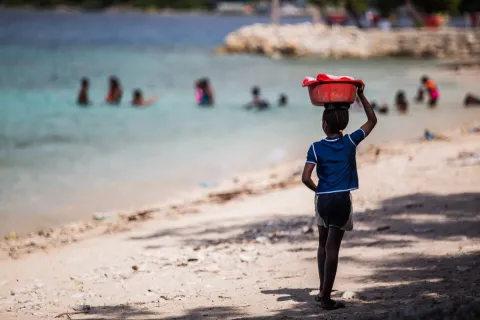
Port-au-Prince, Haiti – The State Department's highest-risk travel warning remains in effect as gang violence displaces over 1.5 million and emergency consular support remains unavailable.
About the Author

Jeff Colhoun
Jeff Colhoun is an acclaimed travel writer, photographer, and filmmaker, whose work is respected both in the United States and internationally.