Stay current with our hotel news coverage.
Why Finland's Formula Resonates With Luxury Families
The Finnish approach to happiness isn't rooted in opulence or extravagance. According to Travel, the country's secret lies in social trust, low corruption, and access to nature. For families navigating the complexities of multi-generational travel or parents seeking meaningful experiences with teens, these attributes translate into something tangible: psychological safety, reliability, and space to breathe. Long summer days offer extended windows for exploration without the pressure of cramming activities into narrow timeframes. The emphasis on nature provides a counterbalance to screen-saturated lives back home. And the social infrastructure, built on trust and transparency, creates an environment where even first-time visitors can relax into the experience rather than maintaining constant vigilance. This is a fundamentally different value proposition than traditional luxury travel has offered. The old model sold exclusivity, status, and Instagram-worthy moments. The emerging model sells something harder to photograph but easier to feel: a genuine sense of well-being that persists after you've returned home.The Iran Crisis Context
The backdrop to this shift cannot be ignored. Travel noted that amid the Iran crisis and surging fuel costs, travelers are rethinking what they want from a holiday. The implication is clear: when global stability feels uncertain and travel itself becomes more expensive, the psychological return on investment matters more than ever. Families aren't just looking for destinations; they're looking for sanctuaries. The appeal of a place like Finland, with its low corruption and high social trust, becomes exponential when the world stage feels chaotic. It's not escapism in the traditional sense; it's strategic restoration. You're choosing a destination that actively contributes to your emotional reserves rather than simply depleting them less quickly than daily life does.Managing Crowds and Overtourism
The happiness equation also depends on density. Travel mentioned that one heritage-listed island caps visitor numbers at just 400 at any one time, eliminating crowds, rush, and overtourism. This detail, while brief in the source material, speaks volumes about how happiness-focused destinations are operationalizing their promise. For families traveling with young children or elderly relatives, crowd management isn't a luxury amenity; it's a practical necessity that directly affects the quality of the experience. The ability to move through a destination without fighting for space, waiting in endless queues, or feeling like you're part of a conveyor belt transforms the emotional tone of a trip.How This Changes the Family Travel Calculus
My biotech training taught me to look for measurable outcomes, and this shift in travel priorities offers several that families can actually plan around. When evaluating destinations for 2026 and beyond, the questions worth asking have evolved. Instead of "What will we see?" consider "How will we feel?" Instead of counting attractions, evaluate the emotional infrastructure: Does this destination offer genuine opportunities for connection, both within your family and with the place itself? Can you access nature easily and frequently? Does the social fabric support low-stress navigation for visitors who don't speak the language or know the customs? For multi-generational trips, Finland's model becomes particularly compelling. Grandparents benefit from the accessibility and safety. Teens respond to the authenticity and outdoor adventure opportunities. Parents appreciate the systems that simply work without requiring constant problem-solving. Everyone gains from the extended daylight and the cultural emphasis on balance rather than hustle. The practical implications extend to booking decisions as well. Families might consider allocating travel budgets differently, prioritizing destinations with strong happiness metrics over those with the most amenities or the flashiest marketing. A week in a Finnish lakeside cottage with bike trails and berry picking might deliver more lasting value than a resort with seven pools and nightly entertainment. This doesn't mean abandoning luxury; it means redefining it. The new luxury is space, both physical and psychological. It's time structured around how humans actually restore rather than how tourist economies extract maximum spending. It's destinations that protect their own well-being so they can genuinely contribute to yours. For families planning 2026 travel amid economic uncertainty and geopolitical tension, the World Happiness Report offers more than rankings. It provides a framework for evaluating where your travel investment, both financial and emotional, will yield the highest return. Finland's continued dominance suggests that framework is working.More travel news
Ponant Launches Jazz Cruise Through Baltic Waters
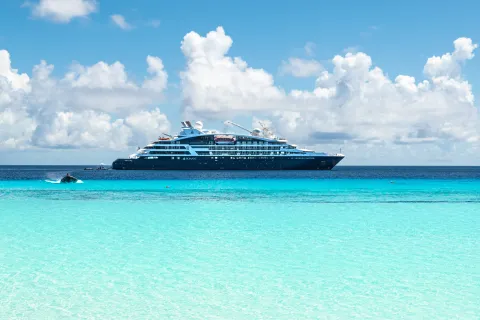
Helsinki, Finland — Ponant Explorations partners with Jazz at Lincoln Center for an 11-day Baltic jazz cruise aboard its polar icebreaker, fusing intimate concerts with winter ports from Tallinn to Bergen.
Sweden Invites Tourists to Discover the Joy of Boredom
Stockholm, Sweden invites travelers to slow down, savor fika and bask in Nordic silence as Visit Sweden promotes the surprising benefits of boredom.

JW Marriott Opens First All-Inclusive Resort in Costa Rica
JW Marriott’s first all-inclusive resort worldwide has opened at Playa El Jobo with 415 rooms; rates start at $900 per person per night based on double occupancy.
Jamaica Reports 70% of Hotel-Room Inventory Operational
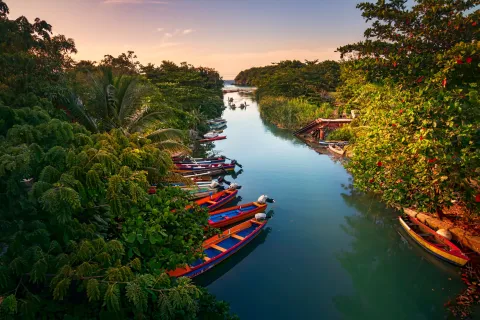
Jamaica says 70% of its hotel-room inventory is operational. More than 1,900 rooms are scheduled for December, with the remaining inventory expected by early 2027.
About the Author

Jennifer Wilmington
Jennifer Wilmington is Family Travel Editor at Jetsetter Guide, covering family and luxury travel from her base in Charleston, South Carolina.