Stay current with our travel industry news coverage.
Wyoming Deploys AI Trip Planner for Outdoor Recreation
CHEYENNE, Wyoming — Wyoming's outdoor recreation and tourism agencies rolled out an AI-powered trip-planning tool on February 23, 2026, aiming to simplify how visitors navigate the state's expansive public lands, national parks, and backcountry zones. The Wyoming Office of Outdoor Recreation and Wyoming Office of Tourism integrated Mindtrip, an AI-driven platform, directly into their websites. The tool is designed to help users plan outdoor adventures by generating custom itineraries based on activities, skill level, season, and group size. For travelers heading to Wyoming's remote terrain, where cell service is spotty and conditions shift fast, this kind of pre-trip planning resource could prove useful. Whether you're scouting multi-day routes in the Wind River Range or mapping fishing access on the North Platte, consolidating logistics before you arrive matters.How the AI Platform Works
Mindtrip operates as a conversational AI that takes user inputs and builds trip plans. According to the agencies, visitors can specify preferences like backpacking, wildlife photography, fly-fishing, or winter sports, then receive tailored suggestions for routes, lodging, permits, and timing. The platform was established in 2023 and bills itself as a first-of-its-kind AI planning tool. Wyoming is now using it as a front-end resource for the state's tourism and outdoor recreation portals. "Bringing this resource to Wyoming is a direct testament to the value of inter-agency collaboration," said Mark Tesoro, manager for the Wyoming Office of Outdoor Recreation, according to Travel. The collaboration between the Office of Outdoor Recreation and the Office of Tourism reflects a broader state push to modernize visitor services. Both agencies operate under the Wyoming Business Council and have previously partnered on wayfinding programs and trail infrastructure funding.What This Means for Travelers Planning Wyoming Trips
Wyoming draws millions of visitors annually to Yellowstone, Grand Teton, and lesser-known public land corridors. Many of those trips involve logistics that aren't obvious to first-time visitors: permit requirements for wilderness areas, seasonal road closures, bear activity zones, and rapidly changing weather in high-elevation zones. An AI tool that pulls those variables into one interface could reduce planning friction, especially for travelers unfamiliar with Wyoming's sprawl. The state manages over six million acres of state lands, plus millions more in federal holdings. Navigating that landscape without local knowledge or detailed research often leads to missed opportunities or avoidable risks. For expedition planners, guides, and photographers working in Wyoming's backcountry, the value of this tool will depend on how well it integrates real-time data. Weather shifts, wildfire closures, and trail conditions can change itineraries overnight. If Mindtrip pulls live feeds from agencies like the National Weather Service or USDA Forest Service, it becomes more than a static planner. If it doesn't, it's just another aggregator.AI in State Tourism: A Growing Trend
Wyoming isn't the first state to deploy AI in tourism promotion, but it's among the early adopters to embed it directly into official outdoor recreation portals. Other states have used chatbots for visitor inquiries or recommendation engines for lodging, but fewer have built trip-specific AI tools for adventure travelers. The shift reflects a broader trend in travel technology: moving from passive content delivery to active itinerary generation. Tourism boards are under pressure to offer more than glossy brochures. They need tools that help visitors make decisions, especially in destinations where terrain, weather, and permits create barriers to entry. For Wyoming, outdoor recreation generated $1.8 billion in economic impact in 2024, supporting 15,000 jobs and representing 5.5% of the state's GDP, according to the Bureau of Economic Analysis. Streamlining trip planning could drive longer stays, more dispersed visitation, and higher spend per visitor.Questions That Remain
The announcement didn't detail how Mindtrip sources its data or how frequently it updates. That matters. A trip planner recommending a trail that's been closed for erosion repair or a river access point blocked by private land disputes isn't helpful. It's frustrating and potentially dangerous. There's also the question of how the AI handles skill mismatches. Wyoming's backcountry can humble even experienced outdoor travelers. If the platform suggests a multi-day route in the Absaroka Range to someone who hasn't hiked above 8,000 feet, that's a problem. Whether the tool includes skill-appropriate warnings or risk disclaimers will determine its credibility with serious adventurers. Finally, privacy. AI trip planners collect user preferences, trip dates, and sometimes location data. Whether Wyoming's implementation includes data-sharing protocols or third-party integrations wasn't addressed in the launch.Practical Takeaway for Travelers
If you're planning a Wyoming trip, the Mindtrip tool is now live on the Wyoming Office of Outdoor Recreation and Wyoming Office of Tourism websites. It's worth testing, especially if you're unfamiliar with the state's geography or want to explore beyond the national park corridors. But don't rely on it exclusively. Cross-reference its suggestions with local ranger districts, recent trip reports, and current conditions from on-the-ground sources. AI can streamline planning, but it doesn't replace field intelligence. Wyoming's bet on AI reflects a pragmatic recognition that travelers expect digital tools. Whether Mindtrip becomes a trusted resource or just another underutilized widget depends on execution. For now, it's live, it's free, and it's aimed at making Wyoming's backcountry more accessible. Use it, but verify.More travel news
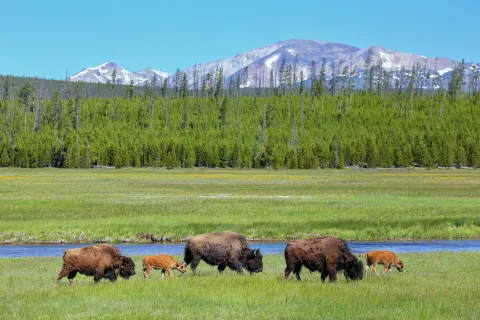
Yellowstone Tops Rocky Mountain Parks With 4.76M Visitors
ROCKY MOUNTAINS, North America - Five iconic parks along the 3,000-mile mountain chain welcomed record crowds in 2025, from Wyoming's thermal features to Alberta's alpine wilderness.
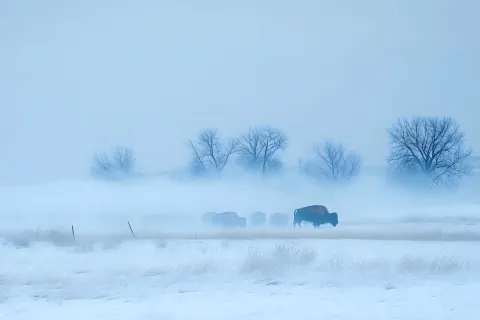
Yellowstone's Freak June Snowstorm Shuts Roads
YELLOWSTONE NATIONAL PARK, Wyo. - Rare summer snow shuttered high-elevation roads in America's oldest national park just before the July 4 weekend, catching visitors off guard.
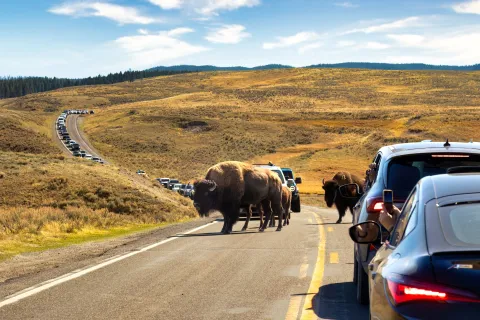
Yellowstone Tourons Risk Lives Approaching Wild Animals
YELLOWSTONE NATIONAL PARK, Wyo. - Tourists dangerously approaching bison and other wildlife have become so common that social media has coined a blunt term: tourons.
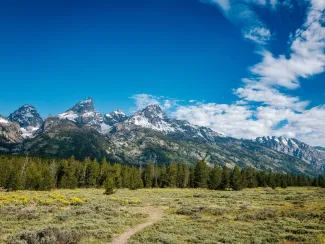
Tetons Become Your Wellness Sanctuary This Summer
Jackson Hole, Wyoming - Four Seasons Resort and Residences Jackson Hole launches curated summer wellness experiences that harness the Teton Range's natural majesty to foster balance and renewal.
About the Author

Jeff Colhoun
Jeff Colhoun is an acclaimed travel writer, photographer, and filmmaker, whose work is respected both in the United States and internationally.