Stay current with our travel industry news coverage.
12 California State Parks Worth Planning A Trip Around, According To Travel Experts
SACRAMENTO, California - California's state park system protects approximately 1.65 million acres across 280 sites, encompassing beaches, redwoods, deserts, lakes, historic landmarks, and recreation areas, according to Forbes. That extraordinary breadth means selecting the right park requires matching the landscape and amenities to your family's specific travel style, whether you're planning a camping expedition, a coastal road trip, or a wellness-focused nature retreat. The sheer range of California's state park system is striking. The largest park, Anza-Borrego Desert State Park, spans roughly 600,000 acres, while the smallest, Simon Rodia State Historic Park, measures merely 0.11 acres, Forbes reported. This dramatic variation reflects the system's commitment to preserving both sweeping wilderness and intimate cultural sites across the state's diverse geography.The Expert Selection Process
Travel experts interviewed for the Forbes roundup identified 12 standout parks that justify building entire itineraries around them, rather than treating state parks as quick roadside stops. The scale of California's park system, covering nearly every landscape the state is known for, from Pacific beaches to desert expanses to ancient forests, means travelers have options suited to vastly different interests and physical abilities. The selected parks span the full spectrum of California's protected lands, offering families, multi-generational groups, and solo travelers distinct environments and recreational opportunities. With 280 sites to choose from, the expert recommendations serve as a curated entry point into a system that can otherwise feel overwhelming to navigate.Why State Parks Matter for Family Travel
California state parks have quietly evolved into some of the most valuable resources for families seeking nature-based travel that balances accessibility with authentic wilderness experiences. Unlike national parks, which often require advance reservations months out and contend with overtourism, state parks frequently offer more flexible booking windows and less crowded trails, particularly mid-week or during shoulder seasons. For families traveling with young children or elderly relatives, the variety within the state park system becomes particularly relevant. Some parks feature paved, ADA-accessible trails with interpretive signage and minimal elevation gain; others reward more ambitious hikers with backcountry solitude. The historic sites, meanwhile, offer educational value for school-age children without requiring the physical stamina that wilderness parks demand. The state park system's geographic distribution also means travelers can often pair a park visit with nearby cultural attractions, coastal towns, or wine country, creating richer itineraries than a single-destination wilderness trip might allow. This flexibility makes state parks especially practical for multi-generational travel, where different family members bring different mobility levels and interest areas to the planning table.Matching Parks to Travel Goals
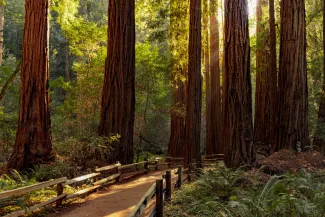
The expert recommendations appear designed to help travelers self-select based on what they hope to gain from their California trip. Beach-focused families gravitate toward different parks than those seeking desert solitude or redwood cathedral hikes. Camping enthusiasts have different infrastructure needs than day-trippers or RV travelers. California's state parks accommodate all of these preferences within a single, interconnected system. The challenge, and the value of expert curation, lies in identifying which parks deliver the specific combination of landscape, amenities, and accessibility that align with your family's capabilities and interests.Should You Build Your California Itinerary Around State Parks?
From a planning perspective, centering a California trip on state parks rather than merely including them as add-ons represents a fundamental shift in how families approach West Coast travel. The conventional California itinerary chains together cities and national parks, treating state parks as optional diversions. The expert recommendations suggest a different calculus: that certain state parks offer experiences compelling enough to anchor entire vacations. This approach particularly benefits families seeking quieter, less commercialized nature experiences. While Yosemite and Sequoia attract millions of visitors annually and require reservations that book out almost immediately, state parks often provide comparable natural beauty with significantly fewer logistical headaches. For families traveling with teens who chafe at over-scheduled itineraries, or seniors who prefer a slower pace, the state park system's flexibility becomes a practical advantage worth prioritizing. The range in park size, from Anza-Borrego's 600,000 acres to tiny historic sites measuring a fraction of an acre, also allows for creative itinerary building. A family could easily combine a multi-day camping stay at a sprawling desert or coastal park with quick cultural stops at smaller historic sites, creating texture and variety that keeps everyone engaged. For travelers unfamiliar with California's geography, the expert selections serve another purpose: they highlight lesser-known regions worth exploring. Many visitors default to the San Francisco-Yosemite-Los Angeles corridor, missing the desert landscapes of the southeast, the redwood coast of the north, or the Central Valley's unique ecosystems. State parks distributed across these regions provide both destination and discovery, turning a conventional vacation into genuine exploration. The practical consideration for families is simple: California state parks deliver extraordinary natural and cultural experiences without the crowds, costs, and advance planning that national parks increasingly demand. That combination makes them not just worth including in your California trip, but worth building the entire journey around.More travel news
Skip Lake Como Crowds for Tahoe's Alpine Shores
SOUTH LAKE TAHOE, Calif. – California's alpine jewel courts UK travelers with crystal-clear waters and uncrowded shores as an alternative to overtourism-strained European lake destinations.
United Claims Window Seats Don't Need Actual Windows
San Francisco, Calif. - A federal court refused to toss a class action alleging United charged premiums for window seats on aircraft where no actual window exists, opening the door to discovery and broader scrutiny of airline seat fees.

Southwest Calls Cops on Musician Over Guitar
Sacramento, California - A musician's attempt to board with her acoustic guitar sparked a confrontation with Southwest Airlines staff that ended with law enforcement involvement and an overnight delay.

California Joins Five States on United Boeing Crisis
CHICAGO, United States - United Airlines' flagship Boeing 787-9 with redesigned premium cabins suffers chronic breakdowns, disrupting long-haul service from major hubs including California, Texas, Washington, Illinois, Colorado, and Florida.

About the Author

Jennifer Wilmington
Jennifer Wilmington is a distinctive voice in the world of family and luxury travel, offering unique perspectives derived from her diverse background and experiences.