Stay current with our travel industry news coverage.
Why the Inner Canyon Is So Dangerous
If you've only ever seen the Grand Canyon from the rim, it's easy to underestimate what hiking into it actually means. The Inner Canyon isn't just hot; it's a heat trap. The canyon walls absorb and radiate heat throughout the day, creating an oven-like environment that intensifies as you descend. That picturesque descent you start at the rim, where temperatures might feel manageable, quickly becomes a brutal endurance test. The other factor that catches people off guard is the elevation change. Going down feels easy, almost relaxing. Your legs are fresh, gravity does half the work, and you're excited about the adventure. But coming back up requires significantly more effort, time, and water than most people anticipate. By the time hikers realize they're in trouble, they're already miles from help and deep in the heat.Heat Illness Moves Fast
Heat-related illness isn't always obvious until it's critical. Early symptoms like dizziness, nausea, and confusion can set in quickly, and once your judgment is impaired, you're less likely to make the smart decision to turn around. Dehydration compounds everything, making it harder to regulate body temperature and increasing the risk of heat exhaustion or heat stroke. For older hikers especially, the combination of extreme heat, physical exertion, and altitude can be overwhelming. Your body's ability to cool itself diminishes with age, and cardiovascular strain increases dramatically in these conditions. The three victims ranged in age from 67 to 72, a demographic that may have decades of hiking experience but faces physiological limitations in extreme heat.What Solo Hikers Need to Know Right Now
These deaths happened in mid-June, but summer heat in the Grand Canyon lasts well into September. If you're planning a visit, you need to completely rethink what "a short hike" means in this environment. The National Park Service actively discourages hiking in the Inner Canyon between 10 a.m. and 4 p.m. during summer months, and these incidents show exactly why. I'll be blunt: if you're on any kind of budget timeline and thinking you can squeeze in a quick Inner Canyon hike during the heat of the day, don't. It's not worth it. The cost of a helicopter rescue starts around $5,000, and that's assuming you survive to pay it. Plan hikes for early morning or late afternoon only, and even then, carry more water than seems reasonable. A general rule is one liter per hour of hiking in heat, but in the Inner Canyon, you'll want even more. Check the weather obsessively before you go. Temperatures above 100 degrees should be an automatic no-go for Inner Canyon hiking, period. If you're traveling solo, tell someone your exact route and expected return time. Download offline maps, because cell service is nonexistent in most of the canyon. Honestly, the best budget move here might be skipping the Inner Canyon hike altogether during summer and sticking to rim trails. The views are still stunning, the heat is more manageable, and you're never far from water and shade. There's no shame in recognizing your limits or respecting the environment. The Grand Canyon will still be there in October when temperatures drop into the 70s and 80s. Heat doesn't negotiate, and the canyon doesn't offer second chances. These three deaths are a sobering reminder that even experienced hikers can be caught off guard when conditions turn extreme. Plan conservatively, start early, carry extra water, and know when to turn back. The views are incredible, but they're not worth your life.More travel news
Blue Ridge Parkway reopens roads and campground loops
Recent reopenings restore uninterrupted driving from James River in Virginia to Little Switzerland in North Carolina; Julian Price Campground loops B and D are also open.

Rocky Mountain National Park Is Two Rangers’ October Pick
The rangers favor October for aspen color, the elk rut and varied scenery, but snow can close Trail Ridge Road before its usual mid-October closure.
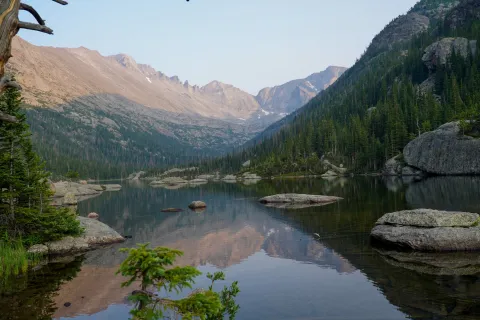
Crowd map points to quieter fall dates at selected national parks
For September or October trips to selected parks, past visitation patterns can guide timing but cannot guarantee lighter crowds; travelers should check current access.
Deadly Floods Cripple Grand Canyon Water Supply
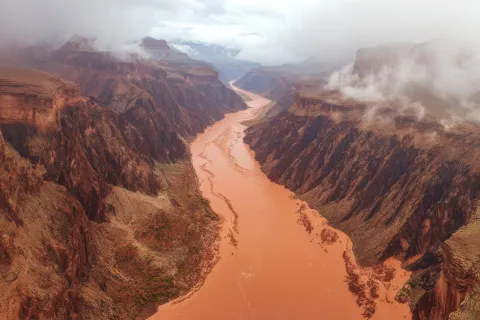
Grand Canyon, Arizona - Flash flooding killed two people, left another missing and severed a critical waterline, forcing major lodging closures across the park.
About the Author

Dana Lockwood
Dana Lockwood is a Travel Writer at Jetsetter Guide covering budget solo travel from her base in Denver, Colorado.