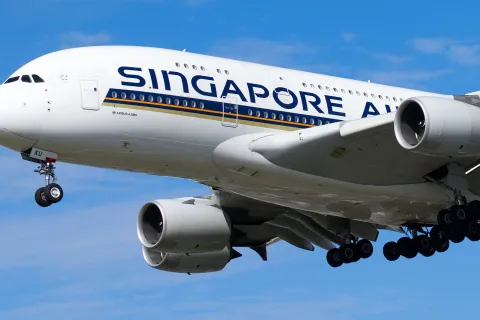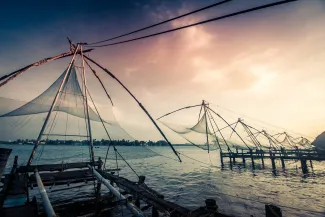
Stay current with our travel food news coverage.
When Stereotypes Meet Street Reality in South India
KOCHI, India — The gap between perception and reality in travel can be enormous, and nowhere is that more evident than in how India gets portrayed online. For years, viral videos highlighting chaotic street scenes and sanitation challenges have shaped international perceptions of the subcontinent. But US-based travel vlogger Chloe Jade is pushing back after spending time in Kochi, Kerala, and what she found contradicted nearly everything the internet told her to expect. In an Instagram video posted on March 23, 2026, Jade showcased the coastal city's cleanliness, food culture, and public infrastructure, according to Travel. Her message was simple but pointed: the India she encountered in Kerala's largest port city looked nothing like the stereotypes that dominate Western travel discourse.Kerala's Capital Offers a Different India Narrative
I've spent enough time moving through South and Southeast Asia to know that sweeping generalizations rarely hold up under scrutiny. India, with its 1.4 billion people spread across vastly different states, climates, and cultural zones, resists easy categorization. What works as truth in one region becomes fiction in another. Jade's experience in Kochi illustrates this perfectly. The city, historically a spice trading hub where Arab, Chinese, Portuguese, and Dutch influences have layered themselves into the local culture, has invested heavily in urban infrastructure and waste management in recent years. Walking through Fort Kochi or the MG Road commercial district, you encounter wide, well-maintained streets, functional public facilities, and a civic pride that manifests in how spaces are kept. This isn't an accident. Kerala has consistently ranked among India's most developed states, with literacy rates, healthcare access, and municipal services that outpace much of the country. That context matters when understanding why a first-time visitor might be surprised by what they find.Food Culture as a Window into Civic Life
What drew Jade's attention wasn't just the physical cleanliness but the food culture she encountered, according to Travel. And this is where the story gets interesting for anyone who travels with their appetite leading the way. Kochi's food scene reflects its cosmopolitan history. You find Syrian Christian beef dishes sitting alongside traditional Kerala sadyas, seafood prepared with coconut and curry leaf in ways that feel distinctly Malayali, and street vendors serving fresh banana chips and jackfruit preparations. The hygiene standards at these establishments, from hole-in-the-wall snack shops to sit-down restaurants, tend to be higher than what many international visitors expect based on viral content. I've always believed you can gauge a city's civic health by its food markets and street food infrastructure. Clean drainage around food stalls, proper waste disposal, vendors with access to running water; these aren't small details. They're indicators of municipal investment and community standards. When Jade highlighted these aspects in her video, she was documenting something that goes beyond surface-level tourism. She was showing how a city takes care of itself and its visitors.The North-South Divide in Traveler Perceptions
Jade's video inevitably sparked what has become a familiar debate online: the perceived differences between North and South India. According to Travel, several videos highlighting the lack of cleanliness in public places have contributed to India being stereotyped by international travelers. This regional comparison is tricky territory. The northern states, particularly the densely populated urban corridors, face different infrastructure challenges than Kerala's smaller cities. Population density, municipal budgets, water access, and waste management systems all vary dramatically. What a traveler encounters in Delhi or Varanasi will differ substantially from Kochi or Thiruvananthapuram, not because one region cares more than another, but because the challenges and resources aren't comparable. Still, the conversation Jade's video generated speaks to something real: traveler expectations are shaped by the content that goes viral, and negative imagery tends to spread faster than nuanced reality. When someone arrives expecting chaos and finds order, the cognitive dissonance is sharp enough to warrant documentation.What This Means for Food-Focused Travelers
For anyone planning a food-driven trip to India, Jade's experience offers a useful reminder: do your regional homework. Kerala's cuisine alone justifies the journey, from appam with stew to karimeen pollichathu to the seemingly endless variations of fish curry. The state's commitment to tourism infrastructure means you can chase these flavors without compromising on basic comfort or hygiene standards. Kochi specifically offers the advantage of being compact and walkable, with distinct neighborhoods that each tell a different culinary story. The Jewish quarter around the Paradesi Synagogue, the fishing villages where morning catches get grilled roadside by evening, the toddy shops serving spicy seafood alongside fermented palm wine; these aren't sanitized tourist experiences. They're authentic slices of local life that happen to be accessible and well-maintained. The broader lesson extends beyond India. Every destination contains multitudes. The version of a place that goes viral on social media is just one frame of a much larger picture. Stereotypes persist because they're easy to digest and share, but they collapse quickly under the weight of actual experience. Jade's willingness to document what she actually found, rather than what she expected to find, is the kind of ground-level reporting that helps travelers make informed decisions. India rewards curiosity and punishes assumptions. Kerala, and Kochi in particular, makes that lesson delicious.More travel news
Kuwait Airport Chaos Strands Travelers Worldwide
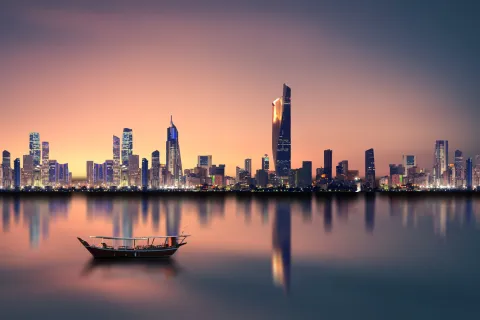
Kuwait City, Kuwait - Dozens of delays and a handful of cancellations snarled operations at Kuwait International Airport, affecting travel across the Gulf, Europe, and South Asia.
Canada warns against India travel amid rising tensions
NEW DELHI, India — Canada reaffirms Level 3 warning for northeastern Manipur state as ethnic violence continues, complicating travel planning for visitors to one of Asia's fastest-growing tourism markets.
Airlines cut UAE flights as tensions rise
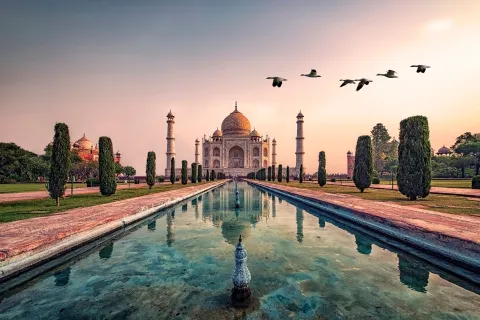
NEW DELHI, India — Multiple airlines cut India-UAE flights Sunday due to operational restrictions tied to West Asia tensions, as DGCA grants Air India temporary pilot duty extensions for longer routes avoiding conflict airspace.
Multi-Country Visas Beyond Schengen Now Open to Indians
NEW DELHI, India — Multi-destination visas are cutting costs and paperwork for Indian travelers, with Brazil extending bilateral visas to 10 years and the Gulf preparing a regional visa launch.

About the Author

Andy Wang
Andy Wang is Asia Editor at Jetsetter Guide, covering Southeast Asian travel and food from his base in Singapore. A first-generation American, he brings a dual perspective to the region.