Stay current with our travel food news coverage.
REYKJAVIK, Iceland - Iceland Tightens F-Road Safety Standards Amid Growing Visitor Risk
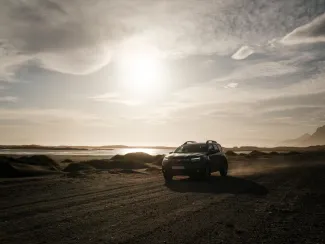
Iceland introduced new tourism safety initiatives on July 11, 2026, following industry research that highlighted preparation gaps among international visitors traveling into the country's remote Highland interior. The measures aim to address rising misuse of F-roads, the country's unpaved mountain routes restricted to 4x4 vehicles, where unbridged river crossings, rapidly changing weather, and stretches exceeding 200 km without services have contributed to avoidable rescue operations and environmental damage. The move comes against a backdrop of mounting concern over how international tourists navigate Iceland's Highland F-roads, particularly during peak summer months when visitor numbers surge. According to published guidance, F-roads are officially marked with an 'F' prefix and legally restricted to 4x4 vehicles; driving a closed or 'Impassable' F-road can trigger significant fines and full cost recovery for rescue operations, which can run into tens of thousands of dollars. The new safety initiatives formalize what authorities and tourism partners have been flagging for months: too many visitors treat Highland routes as straightforward gravel trails rather than the high-risk, remote environments they are.What Makes F-Roads So Dangerous
Highland F-roads are not maintained tracks with roadside assistance. "These are not standard gravel paths; they are unmaintained tracks into the raw interior," the OffToIceland F-Road Guide 2026 noted. Many routes involve unbridged river crossings where glacial meltwater or heavy rain can raise water levels by 50 cm or more within hours, transforming a negotiable ford into a deadly torrent. Some Highland stretches offer no fuel, food, or communication coverage for 200 km or more. Late July and August are considered the safest window for most F-roads, when snowmelt is largely complete and closures have lifted; even so, conditions can shift faster than unprepared drivers realize. The interior's weather patterns compound the risk. Gusts above 30 m/s on Highland roads are officially categorized as dangerous for driving. Wind, cold, whiteout snow, and sun can cycle through in a single afternoon, leaving travelers who packed only for warm-weather sightseeing stranded or injured. The remoteness means rescue operations are complex and expensive; emergency services can bill drivers for full recovery costs when a closed road was ignored or vehicle capabilities misjudged. Off-road driving adds a second layer of harm. "What many visitors don't realize is that off-road driving is strictly prohibited in Iceland. The moss, volcanic soil, and fragile vegetation can take decades or even centuries to recover from a single set of tire tracks," according to Iceland Highlands travel commentary. Driving on thawing volcanic soil beside or away from official F-roads causes ruts that persist for generations, scarring the raw landscape that draws visitors in the first place. Enforcement has been inconsistent, and some international tourists arrive unaware or dismissive of the prohibition.What the New Initiatives Signal for Visitors
While the specific measures rolled out July 11 have not been detailed publicly, the research cited by Travelandtourworld pointed to preparation gaps as the central concern. That aligns with trends across Iceland's tourism sector: rental companies increasingly require proof of F-road understanding before handing over 4x4 keys, emergency services are pushing for mandatory route registration, and tourism boards have expanded digital tools that track road statuses in real time. F-road opening dates typically fall between mid-June and early July, and the official road authority regularly updates closure and 'Impassable' statuses throughout the season. "Driving a road that Vegagerðin has officially closed carries legal penalties; emergency services may bill you for the full cost of the rescue operation, which can run into tens of thousands of dollars," IcelandPlanner's F-Road Status Checker warned. The timing also coincides with broader European vehicle safety improvements. From July 7, 2026, new EU rules require advanced emergency braking, driver distraction warning, and other systems on all newly registered passenger cars and vans. That shift strengthens the baseline safety environment for travelers arriving from EU states and creates a policy context in which Iceland can justify tougher enforcement and higher expectations for self-drive adventure tourism.Practical Risks and Policy Reality
Iceland's new F-road safety push reflects a tension every remote adventure destination faces: preserve access to raw interior landscapes while protecting visitors and ecosystems from their own lack of preparation. The Highland interior is Iceland's signature experience for photographers, overland travelers, and expedition enthusiasts; closing it off would undermine the country's tourism brand. But the status quo has become untenable. Rescue frequency has increased as visitor numbers have grown, environmental advocates flag deepening ruts in volcanic soil, and insurance and liability exposure has forced rental agencies and tour operators to revisit their own risk management practices. For international visitors, the calculus has shifted. Self-drive Highland travel now requires not just a 4x4 rental but documented awareness of legal penalties, real-time road status checks, cold-weather and emergency gear, detailed route registration, and contingency planning for fuel, food, and communication gaps. That's a higher bar than most mainstream adventure destinations demand. But Iceland's interior has never been a mainstream destination; it's an environment where the absence of guardrails, signage, and services is the point. What the new initiatives formalize is that access comes with obligations. Miss them, and you risk your safety, a heavy financial penalty, and damage to ecosystems that have no margin for carelessness. The broader lesson extends beyond Iceland. As adventure tourism expands into fragile, remote zones worldwide, expect more destinations to tighten safety and environmental rules, shift liability back to visitors, and require evidence of preparation before access is granted. Iceland is just ahead of the curve.More travel news
Iceland Eclipse Boom Tests Tourism Infrastructure
REYKJANESBAER, Iceland - Hotels near capacity and tight flight availability threaten to cap eclipse demand as western Iceland prepares for the first totality visible from the island in 72 years.
Icelandair Retires Iconic 757 Fleet Years Early
Keflavik, Iceland - The Icelandic flag carrier is accelerating the retirement of its Boeing 757 fleet to this winter, ending plans to keep the iconic type in service until summer 2027.

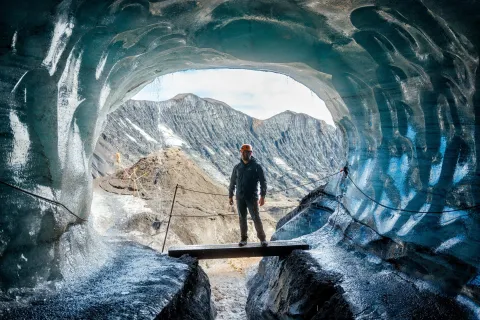
Melting Wonders Draw Thrill Seekers to Doomed Glaciers
Vatnajökull National Park, Iceland — The disappearance of Iceland's famed Crystal Ice Cave reveals the precarious future of glacier tourism as ice formations melt away beneath visitors' feet.
CNN Reveals Top 2026 Destinations With Solar Eclipse
GLOBAL — CNN Travel unveils its curated list of 2026's most compelling destinations, anchored by a rare total solar eclipse and other time-sensitive travel opportunities.

About the Author

Jeff Colhoun
Jeff Colhoun is a photographer and filmmaker whose work has appeared in The Wall Street Journal, the Los Angeles Times, Matador Network and Barron’s.