Stay current with our cruise news coverage.
The Geography of Convergence
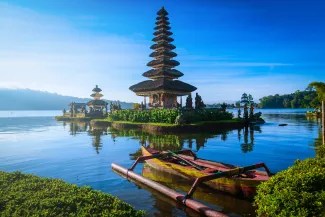
DENPASAR, Indonesia — There is a particular weight to standing at Tanah Lot temple at sunset, surrounded not by the quiet contemplation the setting deserves but by hundreds of others clutching identical phones at identical angles. The scene repeats itself thousands of times each evening across Bali, across Venice, across the handful of places the internet has collectively anointed as unmissable. We have arrived at a paradox in modern travel: the more we seek to discover, the more we converge. For decades, Bali served as a reliable refuge for travelers seeking something beyond the typical beach resort. Affordable, accessible, and familiar, the island offered rice terraces and temple ceremonies, surf breaks and yoga retreats. But that very accessibility has become the island's burden. What was once discovery has calcified into saturation. The challenges facing Bali are no longer concealed behind carefully framed Instagram posts. Traffic chokes the coastal roads connecting Seminyak to Uluwatu. Waste accumulates faster than infrastructure can manage it. Cultural strain manifests in communities where traditional ceremonies must navigate tourist crowds, where sacred sites become photo opportunities rather than places of worship.When Familiarity Becomes Saturation
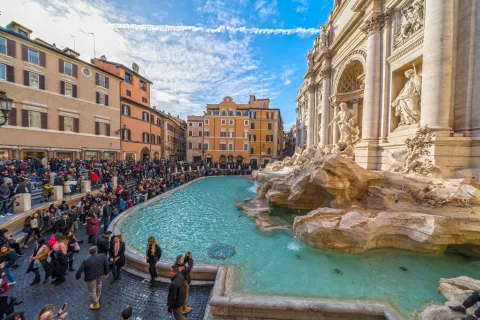
The pattern is distressingly predictable. Travelers do not simply choose destinations anymore; they converge upon them. The same routes, the same recommendations, the same algorithm-fed itineraries guide millions to identical conclusions. The spontaneity that once defined exploration has been replaced by a digital herding effect, where discovery means following a well-worn path already traversed by countless others. In Venice, the story has evolved into something almost symbolic. A city so overwhelmed by visitors that it now represents not the romance of travel but its excess. The floating city, built across centuries on impossible engineering and maritime wealth, now strains under the daily influx of cruise ship passengers and day-trippers who outnumber residents. The very thing that makes Venice extraordinary, its compact medieval layout and pedestrian scale, makes it particularly vulnerable to mass tourism's impact.The Algorithm's Heavy Hand
What drives this concentration is partly technological. Search engines and social platforms do not encourage dispersal; they reinforce popularity. A beach, temple, or piazza appears in a feed, gains traction, and becomes algorithmically amplified until it dominates travel planning for an entire generation. The result is not broader exploration but narrower concentration. Millions of travelers visit the same dozen locations while equally worthy places remain overlooked. This presents both crisis and opportunity. Tourism authorities in saturated destinations now find themselves in the unusual position of actively discouraging visits, of trying to redirect flows rather than cultivate them. It represents a fundamental shift in how tourism operates. For the first time in modern memory, the goal is not simply growth but distribution, not maximizing arrivals but managing capacity.Beyond the Postcard
The environmental consequences of this convergence are measurable and mounting. Coral reefs around popular dive sites show stress from repeated contact. Hiking trails erode under constant foot traffic. Water systems strain to meet demand that spikes seasonally but requires year-round infrastructure investment. Waste management systems designed for resident populations cannot cope with visitor volumes that double or triple local numbers during peak seasons. The cultural impact runs deeper and proves harder to quantify. When a Balinese temple ceremony becomes a scheduled tourist attraction, when gondoliers in Venice perform for cameras rather than transport residents, something essential shifts. The living culture that attracted visitors in the first place risks becoming performance, curated and sanitized for external consumption.Reframing Responsible Travel
For travelers who genuinely seek connection rather than collection, the message from these saturated destinations is clear: your presence matters, and therefore your choices matter. Visiting Bali or Venice is not inherently problematic, but visiting without consideration for timing, duration, and impact has consequences that accumulate. The alternatives exist but require effort to discover. Indonesia contains thousands of islands beyond Bali, each with distinct cultures, landscapes, and communities that would benefit from thoughtful tourism. Italy's smaller cities offer comparable architecture, cuisine, and artistic heritage without the crushing crowds. But these places do not appear automatically in algorithm-generated lists. They require research, flexibility, and a willingness to step beyond the familiar circuit. The question facing affluent, conservation-minded travelers is whether we are willing to travel differently, not just more sustainably within established patterns but along entirely different routes. The postcard destinations will endure, but they need time to recover, infrastructure to catch up, and communities to recalibrate the relationship between residents and visitors. We do not just travel. We converge. Recognizing that pattern is the first step toward breaking it.More travel news
Malaysia Probes Airport Security After Pilot Arrest
Kuala Lumpur, Malaysia - Civil aviation regulators launch inquiry into screening procedures following pilot's arrest with 70,000 drug capsules at Jakarta airport.

Bali Cracks Down on Digital Nomads and Influencers
DENPASAR, Indonesia – Indonesia targets digital nomads and influencers with stricter Bali visa checks, raising questions for remote workers entering on 30-day tourist permits.

Over 200 Asian Flights Canceled Across 3 Countries
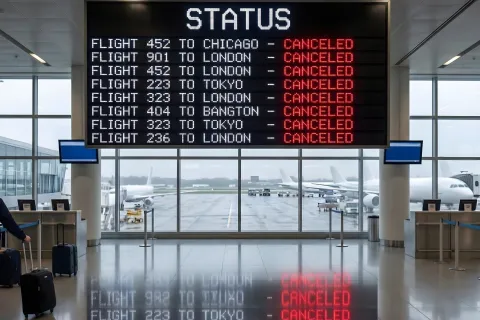
JAKARTA, Indonesia - Garuda, AirAsia, Malaysia Airlines, Lion Air, and Batik Air face over 200 flight cancellations across Indonesia, Malaysia, and Hong Kong, stranding travelers on domestic and international routes.
Jakarta Airport Ceiling Caves In During Storm
JAKARTA, Indonesia — Ceiling collapse at Indonesia's busiest airport disrupts 40 flights after heavy monsoon rains, but quick evacuations prevent injuries.
About the Author

Wilson Montgomery
Wilson Montgomery is a Travel Writer at Jetsetter Guide covering Africa and safari travel.