Stay current with our cruise news coverage.
What Happened During the CBP Operation
The enforcement sweep targeted crew members aboard eight cruise ships in San Diego in late April. Most of the 27 individuals flagged were Filipino nationals, reflecting the broader makeup of the cruise industry workforce; an estimated 70 to 80 percent of cruise crew come from the Philippines. CBP didn't file criminal charges. They didn't have to. The allegations—receipt, possession, transportation, distribution, or viewing of child sexual abuse material—were enough to trigger immediate visa cancellations under immigration law. "No criminal charges were required for visa revocation," a CBP official said via news reports. That legal distinction matters. Without criminal proceedings, the agency could act fast, revoking B-1 or D visas and deporting the crew members almost immediately. It's a blunt instrument, but it's designed that way when it comes to protecting children.Disney's Response and Industry Practices
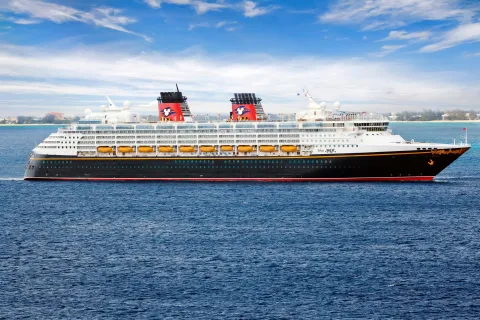
Disney Cruise Line's zero-tolerance stance isn't just PR spin; it's industry standard now, especially for a brand built on family travel. The company emphasized full cooperation with law enforcement, and given that Disney's reputation hinges on being the safest, most trusted name for families at sea, anything less would be a disaster. But here's the uncomfortable reality: this isn't a Disney-specific problem. The CBP operation hit eight ships from multiple cruise lines. Disney just happens to be the name that makes headlines. The maritime industry employs hundreds of thousands of foreign workers, many living and working in close quarters for months at a time, often with limited oversight once they're out at sea. Enhanced vetting has become the norm across the industry in recent years, but vulnerabilities remain. Cruise lines rely on background checks from multiple countries, not all of which have the same standards or access to databases. And once crew members are aboard, monitoring becomes exponentially harder.The Bigger Enforcement Picture
This operation didn't come out of nowhere. The National Center for Missing and Exploited Children reported 1.2 million child sexual abuse material reports in 2022 alone, a staggering number that reflects both the scale of the problem and improved detection technology. U.S. ports have become chokepoints for enforcement. Foreign crew cycling through American waters are subject to CBP scrutiny, and the agency has ramped up efforts to identify offenders before they reenter the country. The maritime sector, with its transient international workforce, is a logical focus. Child protection advocates have been pushing for exactly this kind of proactive enforcement, calling for stricter background checks and more robust monitoring. Workers' rights groups, meanwhile, worry about due process; visa revocations don't require the same burden of proof as criminal charges, and the impact on deported families can be devastating.What Families Booking Cruises Should Know
If you're a parent booking a cruise, this is legitimately scary stuff. But context helps. Twenty-seven crew members out of an industry employing tens of thousands is statistically small, even if one case is too many. The bigger takeaway is that enforcement is happening, and cruise lines know the stakes. Disney, Royal Caribbean, Carnival, and others have all tightened crew screening protocols over the past decade, partly in response to incidents like this and partly because families expect it. Background checks, reference verification, and cooperation with international law enforcement have become baseline requirements. That doesn't mean you should stop asking questions. When you're considering a cruise line, especially with kids, it's worth looking into their crew vetting policies. Most major lines publish safety protocols online, and reputable companies will answer direct inquiries about background checks and onboard monitoring. The reality is that cruise ships, like any environment where adults work with or around children, require vigilance. This operation underscores that federal authorities are paying attention, and cruise lines that don't take safety seriously risk losing not just their reputation but their access to U.S. ports. The enforcement sweep in San Diego was a gut-check moment for an industry that markets itself as the ultimate family vacation. For Disney, with its brand so deeply tied to childhood magic, the stakes are even higher. The company's swift response and zero-tolerance stance suggest it understands that. Whether the industry as a whole can close the gaps that allowed 27 people to slip through in the first place is the question families will be watching.More travel news
Disney Wish Charts a Course Back to New York
NEW YORK, United States - Disney Wish will sail seven New York voyages in fall 2027 as Disney Cruise Line expands across the Caribbean, Panama and Southeast Asia.
Disney Cruise Tightens Booze Rules Sparking Uproar
Orlando, Fla. - Disney Cruise Line unveils tightened alcohol allowances and passenger belongings policies starting 2026, prompting pushback from cruisers weighing cost and experience trade-offs.

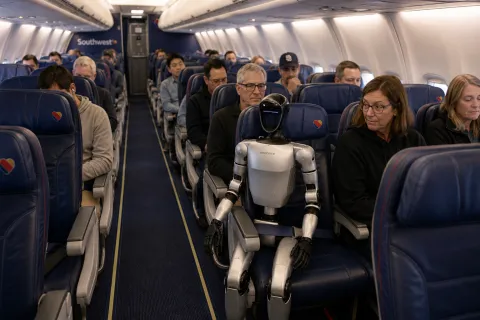
Humanoid Robot Scores Its Own Airplane Seat
Oakland, California - A 75-pound humanoid robot named Bebop caused a delay on Southwest flight 1568 when flight attendants discovered its oversized lithium battery, exposing a regulatory gray zone.
Disney Abruptly Cancels Cruise Mid-Boarding in Singapore
Singapore, Singapore - Disney Adventure passengers spent one night aboard before disembarking, marking a rare post-boarding cancellation for Disney's newest Asia-based megaship.
About the Author

Jennifer Wilmington
Jennifer Wilmington is a distinctive voice in the world of family and luxury travel, offering unique perspectives derived from her diverse background and experiences.