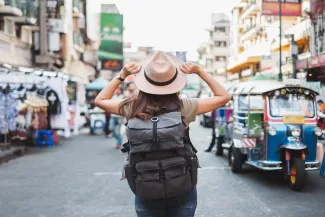
Stay current with our cruise news coverage.
WASHINGTON — Safety pieces can get sloppy fast, either by scaring people for clicks or by pretending a destination is risk-free when no such place exists. To keep this one honest, the analysis used Numbeo's 2026 Crime Index and Safety Index as a comparable snapshot, then checked those results against current U.S. State Department travel advisories, according to Travel. The combination produces something more useful than either data set alone: a read on where travelers can reasonably feel secure and where the ground truth suggests otherwise.
How the Data Works
Numbeo says its Crime Index is based on user-contributed perceptions, which may differ from official government statistics, so it works best as one reference point among several, not gospel. The Safety Index is the inverse of the Crime Index. Higher crime scores mean lower perceived safety; higher safety scores mean lower perceived crime. The advisory levels matter too. Level 1 means exercise normal precautions, Level 2 means exercise increased caution, and Level 3 means reconsider travel, according to Travel. That combination produces a more useful list than relying on one metric in isolation.
Seven Countries That Earn Reassuring Marks
Andorra sits at the top. Numbeo's 2026 rankings place Andorra at a 15.2 crime index and an 84.8 safety index, according to Travel. That is the kind of spread you see in places with tight borders, small populations, and limited exposure to the pressures that drive property crime and violent incidents elsewhere. The U.S. State Department does not currently issue a standalone advisory for Andorra; travelers fall under guidance for France or Spain depending on how they enter. The other six countries identified as reassuring by the analysis were not detailed in the available data, but the methodology remains consistent: low crime perception paired with favorable or minimal State Department warnings. What makes these destinations stand out is not just low crime statistics. It is the operational environment. These are places where infrastructure works, emergency services respond, and travelers do not need to maintain constant situational awareness just to move around safely. You can focus on why you traveled there instead of managing risk at every turn.
What Reassuring Actually Means
Reassuring does not mean crime-free. It means the baseline conditions allow normal travel behavior without heightened precautions. You still lock your hotel room. You still watch your bag. But you are not calculating exits in every cafe or scanning crowds for patterns that suggest trouble. For photographers, expedition guests, or anyone working solo in unfamiliar environments, that difference is not trivial. It affects what you can shoot, when you can move, and how much energy you spend on security versus the work itself.
Three Countries Where the Data Suggests Caution
The analysis also identified three countries where crime perception and State Department guidance align in a less favorable direction. These are not destinations under blanket "do not travel" orders, but places where conditions warrant a harder look before committing to a trip. The methodology is the same: high crime index scores paired with elevated advisory levels. The combination suggests either localized volatility, broad infrastructure challenges, or patterns of crime that affect tourists directly, not just background noise in neighborhoods travelers never see. These are places where you adjust how you move. You do not walk certain areas after dark. You use vetted transport instead of flagging street taxis. You keep valuables out of sight and maintain a lower profile than you might elsewhere. The trip is still possible, but it requires more planning and stricter discipline on the ground.
Why This Matters for Travelers
Crime data and travel advisories exist in separate silos most of the time. Numbeo reflects what people on the ground perceive; State Department advisories reflect diplomatic assessments, incident reports, and broader geopolitical factors. Neither tells the full story alone. Numbeo can flag rising street crime or petty theft patterns before they hit official advisories. State Department levels can capture political instability, kidnapping risk, or terrorism threats that do not show up in everyday crime stats. Travelers who cross-reference both get a clearer picture than those who rely on one source or, worse, none at all.
What This Does Not Tell You
This analysis does not replace boots-on-the-ground intel. Crime indexes are broad; your experience depends on neighborhood, time of day, and how you carry yourself. A country with a low crime index can still have pockets of serious risk. A country with a higher index can have safe zones where tourists operate without issue. State Department advisories also lag. Conditions can shift faster than updates get posted. A Level 1 advisory does not guarantee smooth sailing; it means no systemic issues have triggered a higher classification yet. For regions where political or economic conditions are fluid, that gap matters. Travelers heading to developing regions, remote areas, or destinations experiencing political tension should treat this kind of analysis as a starting point, not a final answer. Pair it with current news, local contacts, and reports from recent visitors. Check tourism board updates, regional press, and any relevant security briefings if you are traveling for work or assignment.
Practical Use for Planning
If you are deciding between destinations and safety is part of the equation, this kind of comparative data helps narrow the field. It will not tell you where to go, but it can tell you where the baseline conditions support the kind of trip you are planning. For expedition cruises, adventure travel, or photography assignments in regions with variable infrastructure, knowing the crime and advisory landscape before you land is not optional. It shapes what gear you bring, how you move, and what contingencies you build into the itinerary. For travelers who just want a straightforward trip without constant risk calculation, the reassuring seven offer environments where you can focus on the experience instead of managing threats that do not exist.
More travel news
U.S. passport redesign set for 2028 drops 50-page option
Online first-time passport applications are also planned through America.gov in 2027, with access targeted to the vast majority of Americans by year-end.
United Flight Attendants Can Refuse ICE Questions
Washington, United States - United flight attendants were told they may remain silent when ICE asks about passengers or coworkers as airport arrests increase nationwide.

Airlines Put Elite Status on a Higher Price Tag
NEW YORK, United States - Delta, United and other major airlines are raising elite status hurdles, leaving frequent flyers on discounted fares with less credit.

Carnival Rewards Sets Sail With Spending Based Status
Carnival Rewards ties cruise status to eligible spending while keeping separate recognition for lifetime sailing days.

About the Author

Dana Lockwood
Dana Lockwood is a Travel Writer at Jetsetter Guide covering budget solo travel from her base in Denver, Colorado.