Stay current with our airline news coverage.
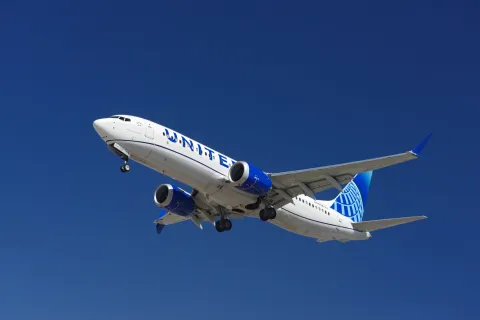
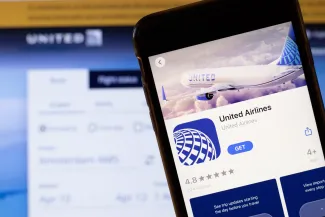
CHICAGO, United States - United Airlines is rolling out a mobile app feature that allows passengers rebooked after a disruption to place themselves on standby for up to three earlier flights while keeping their confirmed reservation.
The airline is introducing the capability ahead of the Labor Day Weekend travel period from Sept. 3 to 8. United expects to fly 3.4 million people during that period, according to One Mile at a Time.
The feature gives disrupted passengers another option after United’s automated system moves them to a later departure. Instead of accepting that itinerary or waiting for help from an airport agent, eligible passengers can use the United app to join standby lists for as many as three earlier flights on the same route.
If a seat becomes available on one of those flights, United will send the traveler a text message. The passenger can then decide whether to make the switch. Importantly, the confirmed reservation remains in place while the traveler considers the available option, according to One Mile at a Time.
That removes one of the more tedious parts of disruption management: repeatedly refreshing an airline app to see whether an earlier seat has opened.
“This feature reflects our commitment to making travel more seamless and less stressful for our customers,” said Jennifer Schwierzke, vice president of customer operations, strategy and execution at United Airlines, according to One Mile at a Time.
United Expands Self-Service Rebooking
The standby feature builds on disruption tools United has been adding to its app since 2023. Passengers affected by schedule problems have already been able to select a new flight through the app and automatically receive applicable hotel and meal vouchers, according to One Mile at a Time.
The new capability moves the app beyond basic rebooking. A traveler may have a confirmed replacement flight, but that flight could leave much later than other departures with uncertain availability. The standby portal makes those earlier options visible and allows the passenger to act without surrendering the fallback booking.
Simple Flying described the portal as an industry-first, consumer-facing tool designed to make standby lists more visible and interactive. The publication also reported that United’s customer assistance tools are used by 85% of customers on the day they travel.
United’s mobile strategy also includes ConnectionSaver, an artificial intelligence system that evaluates whether a connecting flight can be held briefly without disrupting the broader schedule. According to Simple Flying, the system only rebooks a passenger when boarding the original connecting flight becomes impossible.
The new standby function works differently. Rather than leaving the entire recovery process to automation, it gives the passenger a limited set of choices after rebooking has occurred.
A Holiday Test for United’s Mobile Strategy
Rolling out the feature around Labor Day gives United a high-volume test. The airline’s forecast of 3.4 million passengers from Sept. 3 to 8 means even a small share of disrupted itineraries could create significant pressure at service desks and call centers.
Mobile self-service cannot create seats, repair an aircraft or clear bad weather. It can, however, reduce the time passengers spend waiting for an agent to perform a relatively straightforward standby request. During irregular operations, that distinction matters. Airport employees can focus on problems that cannot be solved through an app, while passengers with workable earlier options can pursue them directly.
There are still unanswered questions. Current reporting does not fully specify eligibility by fare type, route or operational circumstance. The scope and consistency of the rollout also remain unclear. Travelers should not assume every disruption or replacement itinerary will produce three usable standby choices.
The Useful Part Is Passenger Control
Airline automation is most frustrating when it delivers a decision without giving the traveler a realistic way to challenge or improve it. In my view, United’s approach is useful because it preserves a confirmed seat while opening a path toward an earlier departure. That is a better balance than forcing passengers to choose between security and opportunity.
The tool should be treated as a recovery option, not a guarantee. Travelers still need to watch the app, monitor text messages and remain close enough to the gate to respond if a seat becomes available. They should also verify that the earlier flight follows the same route and works with any onward plans before accepting a change.
The limited reporting on eligibility is the main reason to stay cautious. A polished app interface means little if fare restrictions or operational rules prevent broad access. United will need to make those boundaries clear, particularly during a holiday period when passengers are already dealing with crowded terminals and constrained alternatives.
Still, the direction is sound. When a disruption hits, travelers usually want three things: a confirmed way forward, visibility into better options and the ability to act without standing in another line. United’s new standby feature addresses all three, provided the airline can deliver it consistently when operations are under real pressure.
More travel news
Deadly Floods Cripple Grand Canyon Water Supply
Grand Canyon, Arizona - Flash flooding killed two people, left another missing and severed a critical waterline, forcing major lodging closures across the park.
United Plots Europe Expansion With A321XLR Fleet
Washington, United States - United Airlines is mounting its largest international expansion, adding 10 destinations across Europe and Asia during 2027.
Philadelphia Anchors New Era With Cruise Terminal
Philadelphia, Pennsylvania - Mayor Cherelle Parker and Norwegian executives opened the city’s permanent cruise terminal, cementing a long-term return for homeport sailings.
Pilots Urge FAA to Mandate Cockpit Barrier Retrofits
WASHINGTON, United States - ALPA wants the FAA to require cockpit barrier retrofits across existing airline fleets, extending protections already mandated for new aircraft.