Stay current with our airline news coverage.
Which Airlines Were Hit Hardest?
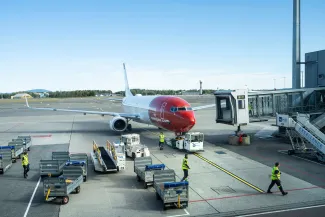
The disruptions swept through some of the region's busiest carriers. SAS, Norwegian Air Shuttle, and Lufthansa all found themselves scrambling to manage the fallout, along with several other airlines operating through Norway's main international gateway. The ripple effects weren't contained to Scandinavia; passengers bound for Sweden, Denmark, Germany, Spain, and the United Kingdom all felt the impact. That's the thing about hub airports like Gardermoen. When things go sideways there, it's not just Oslo travelers who suffer. A delayed connection in Norway can mean a missed meeting in Berlin or a lost hotel night in London. The interconnected nature of European air travel means one airport's problem quickly becomes a multi-country headache.What Caused the Disruption?
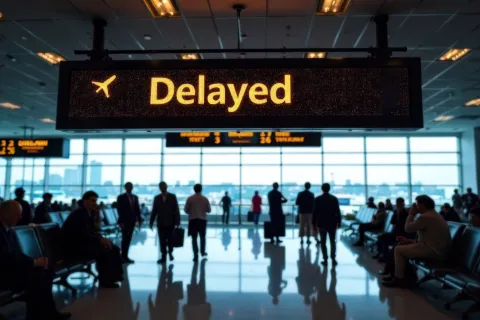
Here's where the picture gets frustratingly incomplete. The available information doesn't spell out whether this was weather-related, a technical issue, staffing problems, or some combination of factors. That ambiguity is maddening for travelers trying to figure out if their upcoming flights might face similar issues. What we do know is that 94 delays is a substantial number for a single event at one airport. Ten cancellations might sound modest by comparison, but each of those represents dozens of passengers suddenly needing to rebook, find accommodation, or make difficult calls about whether their travel plans are still viable.Routes Most Affected
The disruptions touched several key European markets. Sweden and Denmark, Norway's Scandinavian neighbors, saw connections delayed; hardly surprising given the volume of business and leisure travel between these countries. Germany, Spain, and the United Kingdom round out the list of affected destinations, suggesting both short-haul and medium-haul flights took a hit. For frequent travelers through Oslo, these are some of the most common routes. The morning rush to Copenhagen for meetings, afternoon flights to Frankfurt for connections, evening departures to London or Barcelona. When delays hit these bread-and-butter routes, they affect business travelers with tight schedules and leisure passengers with pre-paid hotel reservations in equal measure.Should You Adjust Your Oslo Travel Plans?
Without knowing the root cause, it's hard to predict whether this was a one-off event or a sign of ongoing challenges at Gardermoen. But there are a few practical steps that make sense regardless. First, if you're flying through Oslo in the coming weeks, build in buffer time. If you've got a tight connection, consider whether an earlier flight or an overnight stay might save you from missing critical commitments. Yes, it's an inconvenience and possibly an added expense, but it beats standing in a rebooking queue while your meeting starts without you. Second, check your airline's app obsessively in the 24 hours before departure. Airlines often know about operational issues before they publicly announce delays. If you spot a schedule change, even a minor one, that's your cue to start exploring alternatives before everyone else gets the same notification. Third, know your rights. European passenger rights regulations (EU261) can entitle you to compensation for significant delays and cancellations, depending on circumstances. If your flight was affected and you're left out of pocket for meals, accommodation, or alternate transport, document everything. Receipts matter when you're filing claims later. The broader context here is that European airports have faced their share of operational pressures over the past few years. Staffing shortages, airspace congestion, weather events amplified by climate patterns; it's a complex operational environment. Oslo Gardermoen typically runs smoothly compared to some of the chronically congested southern European hubs, which makes an event like this stand out. For travelers with upcoming bookings through Oslo, the calculus depends on your flexibility. If you're on a leisure trip with wiggle room in your schedule, the risk is manageable. If you're heading to a wedding, a cruise departure, or a time-sensitive business commitment, you might want to explore routing options that avoid Oslo altogether, even if they cost a bit more or take slightly longer. One thing worth watching: how the affected airlines respond. SAS has been through turbulence (pun intended) in recent years with restructuring, while Norwegian Air Shuttle has worked hard to rebuild its reputation for reliability. Lufthansa generally handles disruptions with German efficiency. If you're choosing between carriers for an upcoming Oslo trip, their track records for irregular operations might be worth weighing. The unfortunate reality is that air travel increasingly requires defensive planning. Building contingencies into your itinerary isn't paranoid; it's pragmatic. And when you're traveling through a hub like Oslo that serves as a critical link between Scandinavia and the rest of Europe, a little extra caution can save a lot of headache.More travel news
Reopened Middle East Airspace Doesn't End Route Suspensions
Travelers should check their airline and exact route: Lufthansa's reported Frankfurt-Riyadh return conflicts with a wider suspension list, while Norwegian has no Dubai return date.

Viking Debuts First Chinese Northern Europe Cruises
OSLO, Norway - Viking expands Chinese-language cruises to Northern Europe in April 2027, marking the first Nordic sailings designed for mainland travelers seeking immersive, slower-paced holidays.

Lufthansa Bars Fitness Influencer Over Revealing Gym Wear
BERLIN, Germany - A Lufthansa gate agent told a 24-year-old passenger her sports bra and cycling shorts were too revealing to board, sparking debate over airline dress code enforcement and gender bias.

Europe Grinds to Halt With Nearly 2000 Flights Delayed
BERLIN, Germany - Budget travelers face widespread disruptions as France, Norway, Switzerland delay 1,927 flights and cancel 70 more, hitting Eurowings, KLM, and Ryanair.
About the Author

Wilson Montgomery
Wilson Montgomery is a Travel Writer at Jetsetter Guide covering Africa and safari travel.