Stay current with our airline news coverage.
Greenland Positions Itself as Expedition Tourism Hub
NUUK, Greenland — For decades, Greenland existed on the periphery of global tourism consciousness. The island served primarily as a destination for scientists studying climate patterns and a handful of hardened adventurers willing to navigate its rocky terrain, steep fjords, and massive ice sheets. That positioning is changing. The territory now markets itself aggressively as a hub for expedition tourism, banking on the same remoteness and raw wilderness that once kept casual travelers away. The numbers tell part of the story. Fewer than 60,000 people live across an island larger than many countries, according to travel industry reports. That ratio of space to population creates something increasingly rare in modern tourism: genuine isolation. The landscape delivers what expedition travelers seek, massive glaciers, coastal villages accessible primarily by boat or small aircraft, and terrain that remains largely untouched by infrastructure development.From Scientific Outpost to Tourism Destination
Greenland's pivot toward tourism represents a calculated effort to diversify an economy historically dependent on fishing and subsidies from Denmark, which maintains sovereignty over the territory. The island remained in the background of international tourism for years, content to host researchers and the occasional adventure group. Recent geopolitical attention changed that calculus. The territory returned to international headlines following comments made in late 2024 and early 2025, though the nature of those remarks centered on security concerns rather than tourism potential. That renewed visibility, however controversial its origin, reminded tour operators and travelers alike that Greenland exists. The island now positions itself to capture interest from expedition cruise lines, adventure travel companies, and independent travelers seeking destinations that deliver authenticity rather than polish.What Expedition Tourism Looks Like Here
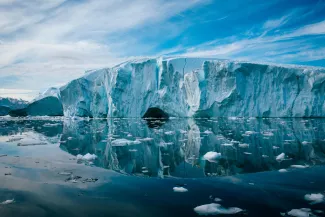
The infrastructure realities shape the experience. Most coastal settlements lack road connections to one another. Travel between communities happens by helicopter, small plane, or boat, weather permitting. That limitation becomes a selling point for expedition tourists who value difficulty of access as proof of authenticity. The ice sheet covers roughly 80 percent of the island's surface, creating both an attraction and a logistical challenge. Visitors fly over it, hike its edges, or join scientific expeditions that venture onto it with proper support. The fjord systems rank among the deepest and most dramatic on the planet. Expedition cruise ships navigate these channels during summer months, bringing passengers close to calving glaciers and ice formations that dwarf the vessels carrying them. Shore excursions focus on wildlife observation, photography, and visits to Inuit communities that maintain traditional practices alongside modern amenities like internet access and satellite communications. Greenland's appeal to photographers centers on light quality and landscape scale. The Arctic summer delivers near-constant daylight, allowing extended shooting windows. Winter offers aurora activity and the stark contrast of ice formations against dark skies. The lack of light pollution in most settlements enhances night photography opportunities. Gear considerations matter here; cold weather performance and weatherproofing become critical rather than optional.Practical Realities for Travelers
Getting to Greenland requires planning. Most international travelers route through Iceland or Denmark. Air Greenland operates the primary connections, flying to Kangerlussuaq, the main hub with a runway long enough for larger aircraft. From there, smaller planes connect to Nuuk, the capital, and coastal towns including Ilulissat, Sisimiut, and Tasiilaq. Some expedition cruises originate from Iceland, incorporating Greenland stops into broader Arctic itineraries. Accommodation ranges from basic to adequate. Nuuk offers standard hotels meeting international expectations. Smaller settlements provide guesthouses and hostels with shared facilities. Expedition cruise passengers sleep aboard ship, avoiding the need to navigate limited lodging inventory in remote villages. Costs run high; isolation means everything arrives by air or sea, inflating prices for food, fuel, and supplies. Weather volatility affects every aspect of travel here. Summer temperatures hover around 50 degrees Fahrenheit in coastal areas, occasionally reaching the low 60s during warm spells. Winter drops well below freezing. Fog, wind, and sudden storms cancel flights regularly. Travelers should build schedule flexibility into any Greenland itinerary; missed connections and weather delays are operational realities, not anomalies.Competing in the Expedition Space
Greenland competes with established Arctic destinations including Svalbard, Iceland, and the Canadian High Arctic for expedition tourism dollars. Its advantage lies in scale and remoteness. Iceland became too accessible, too developed for travelers seeking genuine isolation. Svalbard offers polar bears and glaciers but lacks the cultural component that Greenlandic communities provide. The Canadian territories deliver similar landscapes but with more complicated logistics. The island's challenge involves maintaining authenticity while building capacity. Tourism growth requires improved infrastructure, more guides, better facilities. That development risks compromising the very remoteness that attracts expedition tourists in the first place. Greenland's tourism authorities walk that line carefully, expanding services without suburbanizing the wilderness. The political attention Greenland received recently, whatever its context, achieved something no marketing campaign could: global name recognition. Travelers now know where Greenland is, what it offers, and why it matters. The island's tourism sector aims to convert that awareness into sustained visitation. Whether that happens depends on balancing access with preservation, a challenge every expedition destination eventually faces.More travel news
Quark Unveils 70-Plus Polar Expeditions for 2028
SEATTLE, Washington - Quark Expeditions has begun accepting reservations for polar voyages departing in 2028 and 2028-29, the earliest program launch in the expedition operator's history.
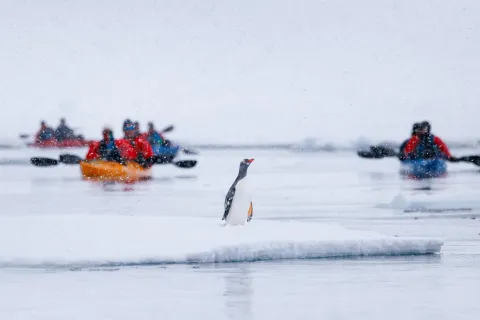
Arctic Giants Clash as Ice Melts in Greenland Park
NORTHEAST GREENLAND - The world's largest national park offers expedition travelers a front-row view of climate change in an Arctic wilderness more than 100 times the size of Yellowstone.
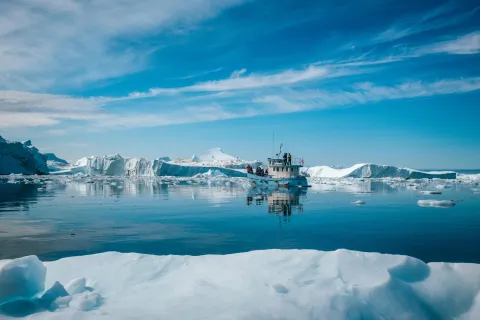
Secret Atlas Adds Solo Cabins to Polar Expedition Ship
OSLO, Norway - Secret Atlas has redesigned its flagship polar vessel Freya to offer six dedicated single cabins on a ship that carries just 12 guests, eliminating single supplements for solo Arctic expedition travelers.
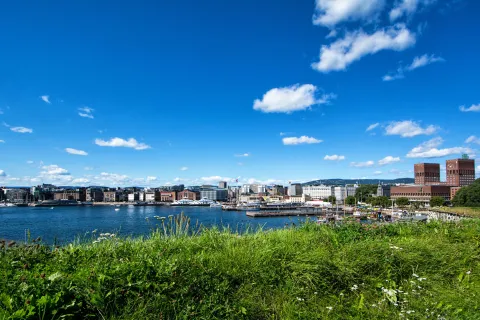
Trump Effect Boosts Greenland Tourism Unexpectedly
NUUK, Greenland — Donald Trump's acquisition push inadvertently boosts Greenlandic tourism, with operators reporting record bookings as the island pursues economic independence.
About the Author

Jeff Colhoun
Jeff Colhoun is an acclaimed travel writer, photographer, and filmmaker, whose work is respected both in the United States and internationally.