Stay current with our airline news coverage.
Breaking Down the June 15 Travel Alerts
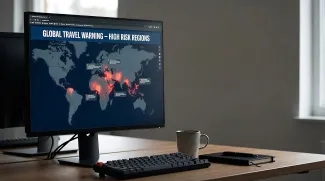
WORLDWIDE - If you've been watching your inbox for flight deals or planning that backpacking trip you've been dreaming about, June 15, 2026 brought news that might change how you research your next destination. Governments around the world issued coordinated travel alerts urging international tourists to stay vigilant, according to Travel and Tour World. The reason? Rising geopolitical tensions and regional instability. International tourism is entering what Travel and Tour World calls "a more cautious phase in 2026," with travel alerts continuing to emerge linked to these evolving security concerns. For those of us who navigate the world on tight budgets, often solo and relying on public transit and hostel networks, these alerts hit differently. We're not insulated in tour groups or corporate hotel bubbles; we're out there on local buses, walking neighborhood streets, and staying in shared spaces where situational awareness matters even more. So what does this actually mean when you're trying to book an affordable international trip right now?What Changed on June 15
The alerts themselves represent a coordinated response from multiple governments, all pointing to the same underlying concern: the current geopolitical climate is making certain regions less predictable for travelers. While the June 15 advisories didn't shut down borders or ground flights, they did formalize what seasoned travelers have been sensing for months. Tensions that were simmering in the background are now front-page news, and official travel guidance is catching up. For budget travelers especially, this creates a new layer of pre-trip homework. The hostels are still there. The cheap flights still pop up. But the calculus around which deals to jump on just got more complicated.How Budget Travelers Should Respond
First, don't panic and don't cancel everything. Heightened vigilance doesn't mean the world is off-limits. It means being smarter about where you go, when you go, and how you prepare. Start by checking your government's official travel advisory page before you book anything. These pages usually break destinations into tiers: exercise normal precautions, exercise increased caution, reconsider travel, or do not travel. If a country you're eyeing has moved up a tier recently, that's your signal to dig deeper. Read the specifics. Is the concern localized to one region you weren't planning to visit anyway? Or does it cover the cities and routes you'd actually use? Next, rethink your travel insurance. I know, insurance feels like an annoying expense when you're traveling on $40 a day. But in a more volatile climate, skipping it is a gamble you can't afford. Look for policies that cover not just medical emergencies but also trip interruptions, evacuations, and cancellations due to civil unrest or government advisories. Some budget-friendly providers offer plans starting around $50 for a two-week trip; that's roughly the cost of three hostel nights, and it could save you thousands if things go sideways. Register with your embassy or consulate once you arrive. Most governments offer free traveler registration programs that put you on their radar if they need to issue emergency alerts or arrange evacuations. It takes five minutes online and costs nothing, yet most backpackers skip it. Don't. Stay flexible with your itinerary. In uncertain times, rigid plans become liabilities. Build in buffer days, book accommodations with free cancellation when possible, and keep enough cash on hand to change plans quickly if needed. Hostels are great for this; unlike hotels, many let you extend or cut short your stay with minimal hassle. Connect with other travelers and locals on the ground. Hostel common rooms, travel forums, and local expat groups are goldmines for real-time intelligence that official advisories might lag behind. If you're hearing consistent reports of protests in a neighborhood or transit disruptions on a route, adjust accordingly.The Practical Safety Calculus Right Now
The truth is, travel has never been risk-free. What's different in June 2026 is that the baseline level of unpredictability has ticked upward in certain parts of the world. That doesn't mean you should abandon your travel plans; it means you need to be more deliberate about risk management. Some destinations will absolutely still be safe, welcoming, and affordable. Others might require extra research or a willingness to pivot quickly. The key is approaching your planning with clear eyes, not just optimism and a cheap flight alert. I've traveled through political transitions, natural disasters, and yes, periods of regional tension. The travelers who do best in uncertain times aren't the ones with the biggest budgets. They're the ones who stay informed, trust their instincts, diversify their information sources, and don't lock themselves into inflexible plans. Right now, that means reading beyond the headlines. It means joining destination-specific Facebook groups where recent travelers share ground-level updates. It means choosing countries with stable political environments if you're a first-time solo traveler, and saving the more complex destinations for when you've built up more experience and confidence. It also means recognizing that sometimes the smartest move is to redirect your energy toward a different region entirely. If the place you were eyeing has seen its advisory level rise, there are dozens of other countries offering incredible experiences, welcoming locals, and budget-friendly infrastructure without the added uncertainty.Moving Forward Without Fear
The worst thing budget travelers can do right now is let fear win and stop exploring altogether. The world is still out there, still full of kind people, stunning landscapes, and life-changing experiences you can access on a shoestring. But the second-worst thing we can do is ignore credible warnings and pretend nothing has changed. The June 15 alerts are a reminder that smart travel in 2026 requires active engagement with current events, not just Instagram inspiration and flight deal alerts. Check the advisories. Get the insurance. Register with your embassy. Stay flexible. Connect with other travelers. And if a destination feels too risky right now, there's no shame in choosing somewhere else. The world is vast, and there will always be another trip. Your safety and peace of mind are worth more than any cheap flight.More travel news
Slow Travel Revolution Transforms How We Vacation
WORLDWIDE - A 2026 travel trends report reveals that 91% of travelers are embracing slow travel, trading crowded airports and packed itineraries for longer stays and meaningful local engagement.

How to Dodge Bed Bugs on Your Next Trip
Bed bug infestations pose a universal travel risk across all accommodation types, with bites appearing as clustered red bumps that require simple but consistent care.

Solo Travel Shouldn't Cost More for Older Women
WORLDWIDE — As solo travel surges among older women, discriminatory single supplements and opaque pricing practices create barriers, though market forces push the industry toward equity.

O’Hare Led U.S. Airports With 43 Delays Wednesday
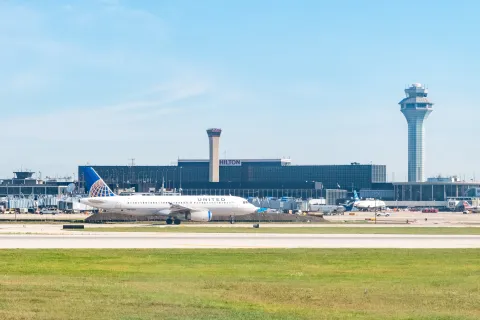
Wednesday’s figures put O’Hare first among U.S. airports for delays and United first among U.S. carriers; they are not a live flight-status report.
About the Author

Dana Lockwood
Dana Lockwood is a rising journalist who specializes in budget-friendly solo travel.