Stay current with our airline news coverage.
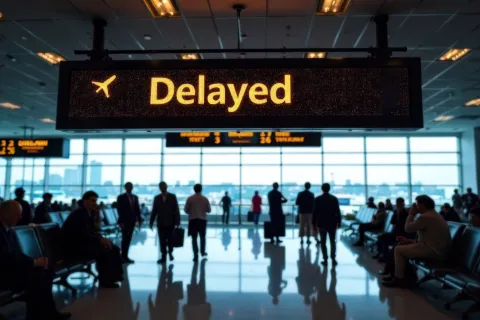
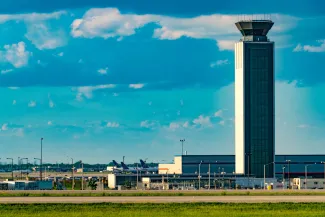
If you're flying through Chicago O'Hare this summer, you might want to check your itinerary. The Federal Aviation Administration just put the brakes on what would have been an incredibly ambitious summer schedule, ordering the airport to cut more than 300 flights per day to keep the whole operation from grinding to a halt. It's a big deal, and it's going to affect a lot of travelers.
What's Actually Happening
The FAA has capped O'Hare at 2,708 total arrivals and departures per day, according to Travel Weekly. That's a substantial cut from the roughly 3,080 flights per day airlines had planned for peak summer operations. The cap takes effect June 2 and runs through Oct. 24, 2026. Do the math and you're looking at more than 300 flights trimmed from the daily schedule at one of the busiest airports in the country. That's not a small adjustment; that's a significant operational pullback during what's normally the highest-demand travel period of the year. The directive came after the FAA initially set an even earlier start date of May 17, but amended the order to give airlines a bit more breathing room. According to Travel Weekly, the amendment acknowledged "the impact to pilots, flight attendants, and other personnel on crew scheduling already assigned for the summer 2026 scheduling season."
Why O'Hare Hit the Wall
O'Hare's been struggling with delays for years, and the airport's ambitions have consistently outpaced its infrastructure. Airlines had planned nearly 3,080 flights per day this summer, a schedule the FAA clearly deemed unrealistic given current constraints. The problem isn't just about gate space or runway capacity in isolation. It's a combination of air traffic control staffing shortages, ongoing taxiway construction, airspace congestion, and frankly, airlines that kept adding flights without much regard for whether the system could actually handle them all efficiently. When you stuff that many operations into a finite amount of airspace and concrete, delays don't just affect individual flights. They cascade. One late departure pushes back the next, which affects connecting flights across the country, which means passengers miss connections, which creates customer service nightmares. It's a domino effect the FAA is trying to prevent before it starts.
The Airlines React
United and American Airlines dominate O'Hare, and both have been locked in an increasingly intense hub battle at the airport. United in particular had adopted an aggressive strategy of flooding O'Hare with flights to claim gates and market share, but that approach has now hit a regulatory ceiling. American Airlines came out of the negotiations relatively unscathed. "We are pleased to have secured a sufficient level of flights through the FAA's process to operate a successful hub at O'Hare this summer," the airline said, according to One Mile at a Time. American will cut no more than 40 flights per day. United, on the other hand, is absorbing most of the reductions, with over 200 daily flights being pulled from the schedule, according to One Mile at a Time. Despite the larger hit, United described the outcome as "a solution that makes sense for everyone who cares about O'Hare's success," per the same report. Transportation Secretary Sean Duffy framed the move as a win for travelers, saying it will "reduce delays and make this busy summer travel season a little easier," according to One Mile at a Time.
The Competitive Context Worth Watching
The real story here isn't just about flight counts; it's about market positioning at one of the country's most important hubs. United's aggressive expansion strategy at O'Hare was designed to box out American and solidify dominance, but the FAA just reset the board. American walks away from this with minimal damage and a statement that sounds almost triumphant. United absorbs the bulk of the cuts but frames it as reasonable. That's airline PR spin, sure, but the underlying reality is that United's ambitious schedule got checked, hard. For travelers, this likely means fewer flight options during peak times, but potentially better reliability on the flights that do operate. O'Hare's on-time performance last summer was below 60 percent on many peak days, according to One Mile at a Time. If cutting 300 flights brings that number up meaningfully, passengers might actually prefer fewer options with better odds of arriving on time. Airlines will probably respond by using larger aircraft where possible rather than cutting routes entirely, or they'll consolidate frequencies on popular routes. That could mean less flexibility for same-day rebooking if your flight gets canceled, since there simply won't be as many alternatives. If you've already booked summer travel through O'Hare, check your confirmation. Airlines have been notifying affected passengers, but it's worth logging into your reservation to make sure nothing changed. And if you're still planning trips, consider building in extra buffer time for connections. Even with these cuts, O'Hare is still going to be busy, and summer weather delays remain a wild card no flight cap can control. The FAA has been working on longer-term fixes, including hiring more air traffic controllers and optimizing flight routes, but those solutions take time. For now, this summer's travel picture at O'Hare just got a lot less crowded, at least on paper.
More travel news
Alaska Airlines Hit With Fine for Boarding Drunk Flyers
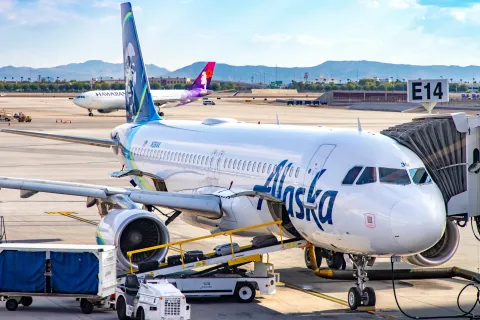
SEATTLE — Alaska Airlines faces a proposed $165,000 FAA fine for allegedly allowing visibly intoxicated passengers to board 11 flights between February 2024 and February 2025.
Colorado Storms Ground 400 Flights Stranding Tourists
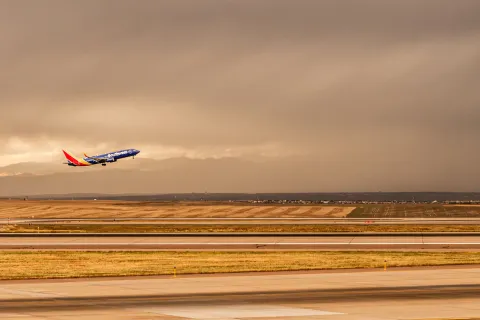
DENVER, Colo. - An FAA ground stop triggered by severe thunderstorms at Denver International Airport on May 27-28, 2026 delayed over 400 flights, stranding tourists and exposing the fragility of tight travel itineraries during Colorado's severe storm season.
Drunk First Class Flyer Hates Chicago Begs for Ride Home
Chicago, Illinois - A late-evening American Airlines first-class flight from O'Hare to Southern California became an uncomfortable endurance test when one passenger found herself seated next to an intoxicated woman who ranted about Chicago, ordered multiple drinks, and eventually begged to come home with her.
FAA Ends Airline Shutdown Flight Cut Inquiry
CHICAGO - An FAA emergency order slashed flights at O'Hare and 39 other major airports in November 2025 during a government shutdown, citing air traffic controller shortages before lifting the cuts days later.
About the Author

Bob Vidra
Bob Vidra, based in scenic Tahoe, is an esteemed tech editor known for his deep understanding of the dynamic intersection of technology, travel, and the outdoors.