Stay current with our airline news coverage.
CHICAGO, Illinois - There's a particular kind of trapped that only happens at 35,000 feet. You can't leave. You can't switch seats. You can't ask someone to please, for the love of god, stop talking. And when the person next to you is drunk enough to smell like a distillery and convinced you're her new best friend, those four hours start to feel like a hostage negotiation.
That was the reality for one passenger on a recent late-evening American Airlines first-class flight from Chicago O'Hare to Southern California, according to Live and Let's Fly. The traveler, settling into a window seat for what should have been a routine transcontinental hop, immediately noticed her seatmate "smelled of liquor." Within minutes, the woman launched into a monologue about "how much she hates Chicago," setting the tone for what would become one of those flights that makes you reconsider ever leaving the house again.
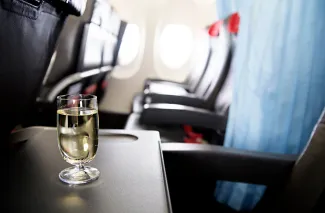
The intoxicated passenger, who earned the nickname "Bloody Mary Karen" in the retelling, didn't stop at city critiques. She ordered drinks throughout the flight, repeated the same stories multiple times, and eventually crossed into territory that would make any solo traveler deeply uncomfortable: she begged to accompany the sober passenger home.
How Do Airlines Keep Letting This Happen?
Here's the uncomfortable question nobody in aviation wants to answer directly: if a passenger smells like alcohol before boarding and proceeds to order multiple drinks in the air, why is the crew still serving her? Late-evening flights out of major hubs like Chicago are notorious for this exact scenario. People drink at airport bars to kill time or steady their nerves, board already buzzed, and then flight attendants are left managing the fallout somewhere over Nebraska.
U.S. federal aviation rules technically allow airlines to refuse boarding to visibly intoxicated passengers and permit civil penalties if unruly behavior escalates into interference with crew or safety risks. Unruly passenger reports surged into the thousands per year during the pandemic, prompting a federal zero-tolerance policy. Individual incidents involving crew interference can result in potential fines reaching tens of thousands of dollars, and criminal cases tied to in-flight disturbances have carried maximum penalties ranging from six months to several years in prison, depending on the charge and jurisdiction.
But enforcement is spotty at best. Gate agents are often hesitant to delay a flight or cause a scene by denying boarding unless someone is falling-down drunk or actively aggressive. Flight attendants, meanwhile, are trained to de-escalate and manage rather than confront, especially in premium cabins where the revenue stakes are higher. The result is passengers like the one on this Chicago flight, trapped next to someone who should never have been allowed on the plane in the first place.
The First-Class Trap
There's a particular irony to this happening in first class, the cabin where passengers pay extra specifically to avoid the indignities of coach. You're supposed to get more space, better service, a quieter experience. Instead, you get Bloody Mary Karen and her fourth retelling of the same story about pennies and a French tourist at an airport bar, something involving 86 or 486 pennies and a bartender she called unpleasant names.
The intoxicated passenger's fixation on Chicago, combined with her repeated requests to follow the other traveler home, falls into that gray zone airlines hate: disruptive enough to ruin someone's flight, not quite disruptive enough to warrant an emergency landing or law enforcement intervention. There's no public indication this flight diverted or that criminal charges followed. The traveler simply endured it, the way so many of us endure the small indignities of air travel because complaining feels futile and escalating feels worse.
Should You Even Bother Complaining?
If you find yourself in this situation, your options are limited and mostly unsatisfying. You can alert a flight attendant, but unless the drunk passenger becomes physically aggressive or interferes with crew, the response is usually just closer monitoring. You can request a seat change if the flight isn't full, but on a late-evening departure, good luck. You can file a complaint after landing, which American Airlines will respond to with a polite form letter and maybe some bonus miles if you're persistent.
What you probably won't get is an explanation for why someone who "smelled of liquor" before takeoff was allowed to board and continue drinking in the air. Airlines frame these decisions as judgment calls made by trained staff, but from the passenger perspective, it feels arbitrary. Some gate agents are strict. Others wave everyone through. Some flight attendants cut people off after one drink. Others keep pouring until someone gets belligerent.
The lack of consistency is maddening, especially for solo travelers, particularly solo women, who bear the brunt of unwanted attention from drunk seatmates. Being asked to "come home" with a stranger isn't charming or funny; it's invasive and unsettling, the kind of thing that lingers long after you've retrieved your luggage and escaped the terminal.
The Real Calculation Airlines Are Making
Airlines operate hundreds of daily departures from Chicago-area airports, increasing the statistical likelihood of occasional alcohol-related disruptions. The FAA has recorded hundreds of investigated unruly-passenger incidents annually in recent years, down from pandemic peaks but still significant. Most of these never make headlines because they don't involve violence or diversions, just exhausted travelers enduring a few miserable hours and venting about it later on social media.
From an operational perspective, denying boarding to a potentially intoxicated first-class passenger is expensive and complicated. You're refunding or rebooking premium revenue, delaying the flight if their checked bag needs to be pulled, and risking a confrontation at the gate. It's easier to let them board, hope they fall asleep, and deal with the fallout only if it escalates.
But that calculation puts the burden on seatmates to manage drunk passengers for hours, turning a premium-cabin experience into an unpaid babysitting gig. It's a cost airlines don't account for because it doesn't show up in their spreadsheets, but it shows up in every retelling of these stories, in every passenger who starts avoiding evening flights, in every traveler who decides upgrading just isn't worth the risk anymore.
For what it's worth, current Google Flights data shows hotels in Chicago ranging from $101 to $197 per night for late June stays, with median pricing around $148 per night. If you're considering an overnight to avoid a late-evening departure and the kind of seatmate lottery that comes with it, the math might actually work in your favor.
More travel news
LaGuardia Chaos Strands Travelers With 90 Disruptions
NEW YORK - Jazz, American Airlines, Endeavor Air, and Delta Air Lines left dozens of travelers stranded at LaGuardia Airport with 90 disrupted flights affecting major U.S. and Canadian routes.
Southwest Airlines Grinds to Halt With 1000 Plus Delays
DALLAS, United States - Southwest Airlines disrupted thousands of travelers with 1,083 delays and 5 cancellations across major domestic routes, affecting cities from Chicago to Phoenix.
United Tests Blocked Middle Seats to Cut Crew Costs
United Airlines is reportedly testing a European-style economy cabin with blocked middle seats on its incoming A321XLR fleet, a move that could redefine long-haul comfort while cutting staffing costs.
American Airlines Jet Diverts After Mystery Odor
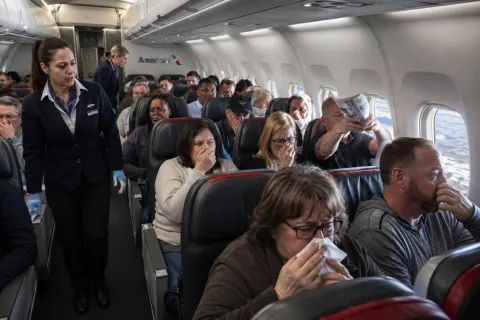
North Syracuse, N.Y. - Flight 5907 made an emergency landing Sunday evening after crew reported nausea from an onboard odor, disrupting service four hours.
About the Author

Mariana Torres
Mariana is a 33-year-old travel writer and backpacker who specializes in finding the pulse of a place far beyond the tourist maps.