Stay current with our airline news coverage.
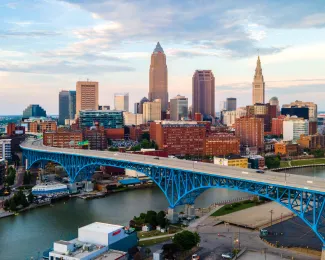
What the BBB Is Seeing in Cleveland
According to BBB guidance, scammers are targeting travelers with tours and destinations that fail to match what customers actually receive. The pattern is consistent: low prices, high promises, and outcomes that range from disappointing to nonexistent. The first warning sign, per the BBB: if the price seems too good to be true, it probably is. That's not marketing caution; it's pattern recognition based on hundreds of consumer complaints filed with BBB offices nationwide. The math rarely works when a Caribbean all-inclusive is half the going rate or a European tour undercuts every competitor by 60 percent. Fraud doesn't always mean disappearing websites and stolen money. Sometimes it's a real company delivering a substandard product that bears no resemblance to the photos, itinerary, or inclusions advertised. You get the trip, but not the one you paid for, and by then your leverage is gone.Red Flags Travelers Should Know
The BBB recommends two straightforward steps before handing over payment: ask for references and ask detailed questions about the travel operator. References matter. Legitimate tour companies, travel agencies, and expedition operators expect this request and can provide verifiable past clients or media coverage. If a company hesitates, deflects, or offers only first names and glowing testimonials scraped from a website, walk away. Detailed questions expose gaps fast. Ask about cancellation policies, refund timelines, what happens if weather disrupts the itinerary, who the on-ground partners are, and what recourse exists if services aren't delivered. Scammers hate specifics. Real operators answer clearly because they've handled these situations before. The BBB also flags payment methods as a critical tell. Legitimate travel businesses accept credit cards, which offer dispute rights if problems arise. Scammers push wire transfers, gift cards, peer-to-peer apps, or cryptocurrency because those transactions are irreversible and untraceable. If you're being pressured to pay immediately via Venmo, Zelle, or a convenience store wire service, you're not dealing with a credible company. Full stop.Why Post-Holiday Timing Matters
Scammers know the calendar. January and February are peak months for vacation planning as travelers look ahead to spring breaks, summer trips, and milestone getaways. The combination of New Year optimism, cabin fever, and leftover holiday spending fatigue creates ideal conditions for impulse bookings. Post-holiday consumers are also more likely to be bargain hunting, which lowers psychological defenses. A deal that would seem suspect in October feels justifiable in January when you're comparing it against inflated holiday prices or viewing it as a reward after a stressful season. Fraudulent operators exploit that mindset. They time email blasts, social media ads, and even phone solicitations to coincide with the moment when people are actively searching for discounts but haven't yet done the deeper research required to separate real savings from bait-and-switch schemes.Practical Steps Before You Book
Start with the BBB's own database. Search the company name and check for complaints, unresolved issues, or patterns of poor service. A lack of BBB accreditation isn't disqualifying, but a trail of unresolved disputes and one-star reviews should be. Google the company name plus the word "scam" or "complaint." Read what past customers say on independent forums, Reddit threads, and travel review sites. Look for recurring themes: missed pickups, hotels that don't exist, tours that never depart, or customer service that vanishes after payment clears. Verify physical addresses and contact information. Scam sites often list generic email addresses, use answering services, or provide no phone number at all. Legitimate operators have real offices, responsive staff, and transparent contact paths. Book directly when possible. Third-party resellers can be legitimate, but they add layers of complexity if things go wrong. Booking directly with airlines, hotel chains, or established tour operators ensures you're dealing with the actual provider and can resolve issues without intermediaries. Use credit cards for all travel purchases. The dispute process through your card issuer is often the only recourse you'll have if a trip collapses or a company ghosts you. Debit cards, wire transfers, and app-based payments offer little to no protection.What Happens When It Goes Wrong
Recovery is difficult once money changes hands. Scammers operate across borders, use shell companies, and structure transactions to avoid chargebacks. Even when victims file complaints with the BBB, Federal Trade Commission, or local consumer protection agencies, the trail often goes cold. For travelers, the financial loss is only part of the damage. Ruined vacations, missed family reunions, and wasted time off work compound the harm. By the time you realize the "boutique villa in Tulum" is actually a hostel an hour inland or that your "luxury cruise" was never booked, your travel window has passed and alternatives are sold out or prohibitively expensive. The BBB's advice is blunt for a reason: these scams are preventable, but only if travelers apply skepticism before excitement. No legitimate deal requires you to decide in the next 30 minutes. No credible operator refuses to answer basic questions or provide verifiable references. If it feels rushed, opaque, or implausibly cheap, trust that instinct. The best travel deal is the one you actually take, not the one that looked perfect in an email but never existed at all.More travel news
Post-Thanksgiving storm to snarl travel for millions
Chicago and the wider northern United States brace for snow, rain and bitter cold that could complicate post-Thanksgiving travel plans.
Beware Fake Airline Sites: BBB Flags New Airport Scam
Green Bay, Wisconsin travelers warned about new airport scam using fake airline websites and phone numbers; BBB shares tips to stay safe.

Internet Outage Grounds Southwest Flights Nationwide
St. Louis disruption highlights what travelers need to know after Southwest Airlines’ nationwide internet outage delayed nearly 40% of its flights.
Ohio 3C+D Passenger Rail Plan Gains Momentum
COLUMBUS, Ohio — Travelers who have dreamed of zipping across the Buckeye State by train instead of braving Interstate 71 traffic may finally have reason for op...

About the Author

Jeff Colhoun
Jeff Colhoun is an acclaimed travel writer, photographer, and filmmaker, whose work is respected both in the United States and internationally.