
Stay current with our airline news coverage.
Airline mile value: cent-by-cent reality check
The first truth is that every carrier sets its own price for loyalty currency. There is no outside regulator, and rates shift whenever an airline tweaks its award charts. Even so, most U.S. programs cluster in a predictable range:- Overall market value: 1–1.8 cents per mile.
- NerdWallet’s latest calculations: 0.7–1.6 cents across major airlines.
- The “big three” snapshot—Delta Air Lines and United Airlines at about 1.2 cents, American Airlines leading at roughly 1.6 cents.
Flight versus gift card: a tale of two outcomes
• Gift card redemption: United MileagePlus members currently need 8,333 miles for a $25 Target card, translating to a paltry 0.3 cent per mile.• Flight redemption: A November round trip in Delta’s Main Cabin from Billings, Montana, to Paris prices at 38,000 miles plus $142 in taxes. Pay cash and the same itinerary runs $572, giving you a healthier 1.1 cents per mile.
• Luxury hotel redemption: Booking two nights at Six Senses Con Dao in Vietnam through Delta Vacations requires 266,000 miles. Paying cash on the hotel’s site is $1,722, or about 0.6 cent per mile—better than a gift card but far below flight value.
Why redemption method matters
Airlines want members to siphon miles into low-cost, non-flight options such as gift cards or merchandise. Resist. History shows the strongest returns still come from award seats on the airline that issued the miles—especially premium cabins. “Premium-cabin travel might cost exponentially more in cash, yet only a mild premium in miles if you’re flexible,” Schlappig told Travel + Leisure — as Schlappig told Travel + Leisure.Economy versus business class math
Upfront seats often command three or four times the miles of an economy ticket, while the cash price can be ten times higher. Run the numbers before dismissing lie-flat dreams; the cents-per-mile calculation may surprise you.Expiration dates: do they still sting?
Some programs have eased the pressure. Delta SkyMiles and United MileagePlus miles never expire. American Airlines still closes inactive accounts after 2 years, making periodic earning or redemption activity essential. A quick fix: credit a low-cost partner flight, buy a small amount of miles, or redeem for a short hop to keep the clock from resetting.Should you ever buy miles?
Airlines routinely sell miles, but the sticker shock is real. United starts at $35 for 1,000 miles—a steep 3.5 cents each, more than double their typical redemption value. Buying therefore makes sense only when:- You lack a tiny mileage chunk to unlock a high-value award. Example: You have 20,000 miles but need 21,000. Purchasing the extra 1,000 miles for $35 can still beat paying cash for the whole ticket.
- The airline runs a limited-time promotion offering a bonus or discount that gets the cost near—or below—market value.
Sharing and donating: hidden fees to note
Transferring miles between accounts is possible at most carriers, but look out for transaction charges as high as 1.5 cents per mile plus a processing fee. Donations can feel philanthropic, yet the American Red Cross reminds travelers that the IRS views the miles as a gift from the airline, not the member, so you should not expect a personal tax deduction.Tips for travelers: squeezing every cent from your airline miles
- Price both sides. Always compare the cash fare and award rate, then divide dollars by miles to get a real-time cents-per-mile figure.
- Stay flexible. Midweek flights, shoulder-season dates and partner airlines often unlock the best award space.
- Book partners strategically. Delta miles can snag Korean Air or Air France seats, while American’s AAdvantage currency taps into Qatar Airways Qsuite awards.
- Avoid “pay with miles” sliders. Programs that let you part-pay, part-redeem frequently yield cattle-class redemption rates similar to gift cards.
- Keep accounts active. Set calendar alerts for expiring programs; a café purchase on a co-branded credit card counts as activity.
- Wait for bonus windows to buy. If you must purchase miles, target 50% bonus or 30% discount promotions.
FAQ: airline mile value at a glance
How do airlines determine mile value?
Internally, carriers peg liability on their balance sheets, then adjust award charts to manage inventory. The consumer sees only the final award rate.
Is 1 cent per mile a good deal?
It is average. Aim for 1.3 cents or higher when booking economy and 1.8 cents or above in business class.
Do status perks change valuation?
Elite members enjoy fee waivers and better award availability, effectively raising their mile’s usefulness even if the base math stays the same.
Can I combine miles from different airlines?
Not directly. Instead, use alliances—Star Alliance, oneworld or SkyTeam—to book partner flights from a single mileage balance.
What is the safest hedge against devaluation?
Earn today, burn tomorrow. Hoarding miles invites sudden award chart hikes.
Bottom line: do the math before you click “redeem”
Airline mile value remains a moving target, but a quick calculator check can save—or squander—hundreds of dollars in seconds. Focus on high-value flight awards, mind expiration clocks, and treat miles as a currency that deserves the same scrutiny as cash.More travel news
2025 Ranking: Top Airline Mileage Programs Worldwide
New York, United States — Point.me's 2025 airline rewards report crowns Air France-KLM Flying Blue, with American AAdvantage making a surprise leap for travelers

United MileagePlus Now Allows Miles Pooling with Family and Friends
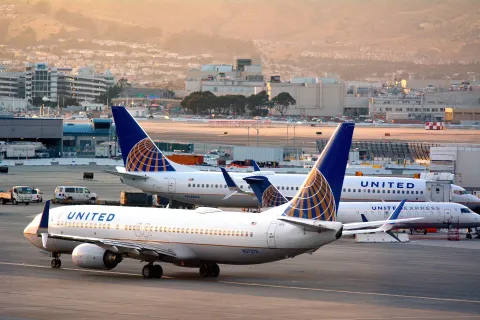
United Airlines has introduced a new feature in its MileagePlus loyalty program that allows members to pool their miles with friends and family, enhancing the a...
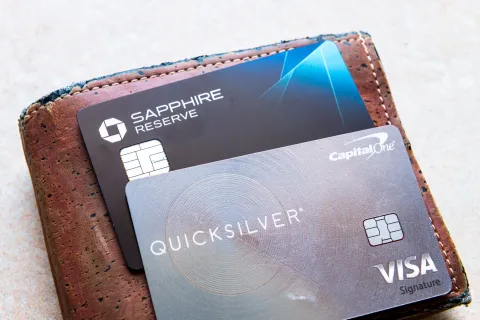
Chase Sapphire Preferred Holders Can Grab Reserve Bonus
New York, N.Y. - Chase Sapphire Preferred cardholders can likely snag the new 150,000-point Sapphire Reserve welcome bonus, valued at $3,075 in travel.
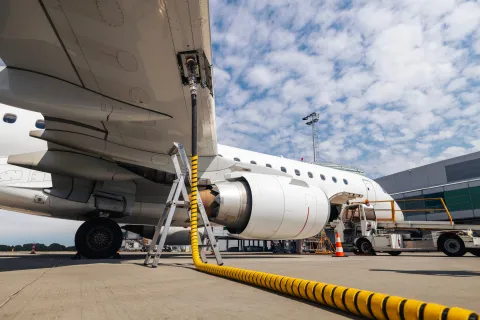
Airlines Slash Routes as Fuel Costs Soar
Summer travel gets tighter as airlines slash routes and boost ticket prices to offset surging jet fuel expenses, leaving travelers with fewer choices and higher costs.
About the Author

Mariana Torres
Mariana is a 33-year-old travel writer and backpacker who specializes in finding the pulse of a place far beyond the tourist maps.