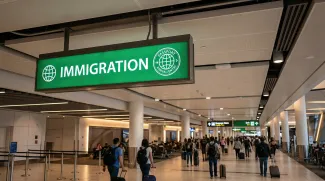
WASHINGTON, D.C. — The U.S. State Department confirmed on March 18 that starting April 2, 2025, tourists from 50 countries will be required to pay a visa bond fee of up to $15,000 to apply for B1 or B2 visas. The expansion adds 12 more countries to an existing list targeting nations whose citizens are considered at higher risk of overstaying their U.S. visas. This is not a minor policy tweak. It's a financial barrier that will effectively price out most leisure travelers from affected countries, reshaping who can access the United States for business meetings, family visits, or tourism. For travelers from developing nations already navigating complex visa processes, this is another layer of bureaucratic and economic difficulty.
How the Visa Bond Program Works
The visa bond program applies specifically to B1 (business) and B2 (tourist) visa applicants from countries where overstay rates have been flagged as problematic. According to Travel, the bond fee, which can reach $15,000, is designed to incentivize visa holders to return home before their authorized stay expires. The bond is refundable if the traveler departs the U.S. on time and complies with visa terms. But for most travelers from the affected nations, fronting that kind of money is simply not realistic. The median annual income in many of these countries is a fraction of the bond amount. Even if refundable, the upfront cost creates an insurmountable obstacle. The U.S. government began imposing visa bond fees of up to $15,000 on travelers from a select list of countries in 2025, according to Travel. The recent expansion brings the total to 50 nations. The new rules take effect April 2 for the 12 newly added countries.
Who This Affects
The State Department has not released the full list of 50 countries, but based on prior visa bond implementations, the program typically targets nations in Africa, South Asia, Central America, and parts of the Caribbean where overstay data has raised red flags. These are often countries with limited economic mobility, political instability, or weak return migration enforcement. For travelers from these countries, the bond represents more than just a fee. It's a signal. It says the U.S. government views you, by nationality alone, as a flight risk. That presumption may be grounded in data, but the practical effect is that individuals with legitimate reasons to visit, whether for tourism, business conferences, or family events, are now subject to financial vetting that has little to do with their personal circumstances. This is not new ground for U.S. visa policy, but it's an escalation. Previous iterations of the visa bond program were limited in scope. This expansion to 50 countries is a significant widening of the net.
What It Means for Tourism and Business Travel
For tourism boards in affected countries, this is a major setback. Outbound tourism to the U.S. has long been a marker of economic development and bilateral relations. A $15,000 bond eliminates that pathway for all but the wealthiest travelers. Business travel will also take a hit. Small business owners, conference attendees, and entrepreneurs who might otherwise travel to the U.S. for trade shows, meetings, or partnerships will find the cost prohibitive. Larger companies may absorb the bond for key personnel, but independent professionals and freelancers are out of luck. The visa bond also complicates family reunification for U.S. citizens and permanent residents with relatives abroad. A parent, sibling, or adult child visiting from one of the 50 countries will now need to post a bond that may exceed their annual income. That's not a policy designed to facilitate connection; it's a policy designed to deter entry.
Practical Realities for Affected Travelers
If you're from one of the newly added countries and were planning a U.S. trip this spring or summer, your timeline just changed. Applications submitted after April 2 will be subject to the bond requirement. That means anyone planning to apply should move quickly if they want to avoid the fee, assuming consular appointments are even available. For those caught in the new system, the bond will be assessed during the visa interview process. If approved, the traveler must pay the bond before the visa is issued. Payment methods and refund timelines remain unclear, but past implementations suggest refunds can take months after departure. Travelers should also expect longer processing times. Adding a financial component to the visa process introduces additional administrative steps, potential delays, and more opportunities for complications.
Broader Context
The visa bond expansion comes amid broader tightening of U.S. immigration and travel policies. It reflects a shift toward using financial mechanisms as enforcement tools, a trend that disproportionately affects travelers from lower-income countries. Whether this policy achieves its stated goal of reducing overstays is unclear. What is clear is that it will reduce travel volume from the affected countries, intentionally or otherwise. For travelers who have spent years navigating visa denials, expensive application fees, and unpredictable consular processes, this is another barrier in a system already built to say no. For now, the State Department has confirmed the policy takes effect April 2. Travelers from the 12 newly added countries have two weeks to adjust their plans or face a $15,000 question: is the trip worth it?
More travel news
Trump Ends 50-Year National Park Vehicle Ban
WASHINGTON - President Trump reversed Executive Orders 11644 and 11989, lifting decades-old off-road vehicle restrictions on federal lands including areas in and around national parks.

Budget Carrier Collapses as Oil Crisis Grounds Fleets
MIAMI, USA - Viral reports of Spirit Airlines shutting down and Magnicharters filing for bankruptcy due to a U.S.–Iran oil crisis do not align with verifiable airline industry timelines or real-world events.

Memorial Day Travel Surges Despite Higher Gas Prices
UNITED STATES - Record 45 million Americans to travel Memorial Day weekend despite gas averaging $4.52, with nearly 87% choosing road trips over air.

America's Top 7 Global Gateways for International Travel
NEW YORK, United States - Seven major US airports now dominate international traffic as air travel rebounds, concentrating global connectivity through hubs serving Europe, Latin America, and Asia.

About the Author

Jeff Colhoun
Jeff Colhoun is an acclaimed travel writer, photographer, and filmmaker, whose work is respected both in the United States and internationally.