Stay current with our airline news coverage.
What Level 3 Means for Travelers
A Level 3 advisory stops short of the State Department's strongest warning, the Level 4 "Do Not Travel" designation, but it represents a clear shift in the government's assessment of risk. The designation indicates conditions serious enough that Americans should think twice before booking trips and consider alternative destinations. For travelers with existing reservations, the advisory does not prohibit travel but signals that U.S. government resources for assistance may be limited in certain situations. It also serves as a notice to travel insurers, some of whom adjust coverage or issue policy exclusions based on State Department levels. The timing is notable. While violent crime has long been a concern in Trinidad and Tobago, the inclusion of terrorism as a specific risk factor marks a shift in the threat profile the State Department is tracking.Crime Trends and State of Emergency Context
The State Department's assessment comes against a backdrop of fluctuating security conditions. According to Fox News, crime in Trinidad and Tobago has dropped significantly since 2024 due to security efforts initiated during a previous state of emergency. That decline, however, has not been sufficient to prevent the advisory escalation. The State Department's language makes clear that violent crime remains pervasive enough to warrant heightened caution, particularly incidents involving weapons, home invasions, and targeted violence. Trinidad and Tobago's economy relies heavily on tourism and business travel, particularly through Port of Spain and Tobago's beach resorts. The advisory will likely complicate efforts to attract cruise passengers and resort guests, especially those comparing options across the Eastern Caribbean.How This Stacks Against the Region
Trinidad and Tobago now joins a short list of Caribbean nations carrying Level 3 advisories. Most popular Caribbean destinations, including Barbados, St. Lucia, and the U.S. Virgin Islands, remain at Level 1 or Level 2, where routine precautions or increased awareness are recommended but reconsideration is not advised. Dominica, for instance, remains at Level 1 despite occasional crimes of opportunity, violent incidents, and drug-related activity near tourist areas, according to the U.S. State Department. That contrast underscores how significantly the conditions in Trinidad and Tobago have diverged from regional norms. Jamaica and parts of the Bahamas carry Level 2 advisories due to crime in specific areas, but the terrorism component in Trinidad and Tobago's warning sets it apart. The twin-island nation has faced scrutiny in recent years over the movement of foreign fighters and the potential for extremist activity, a concern that appears to have factored into the State Department's calculus.The Ground Truth for Travelers Right Now
This is not a story about abstract geopolitics. It is about whether you can walk back to your hotel after dinner, whether a taxi ride from the airport carries measurable risk, and whether the U.S. government believes conditions are stable enough for leisure travel. For travelers with cruises calling at Port of Spain or resort stays booked in Tobago, the advisory does not mean immediate cancellation, but it does mean a hard look at itineraries. Shore excursions that venture beyond resort zones or organized tours should be reassessed. Independent exploration, particularly after dark or in areas away from tourist corridors, now carries risk the State Department considers significant. Business travelers face a different calculus. Many will still need to go, advisory or not. For them, the update is a reminder to tighten security protocols, avoid predictable patterns, stay in contact with embassy resources, and limit movement outside controlled environments. Photography and journalism assignments in Trinidad and Tobago now require the same risk planning I would apply to assignments in Central America or parts of West Africa: local contacts, pre-arranged transport, situational awareness, and contingency planning for rapid departure if conditions shift. The terrorism language is vague, which is typical for State Department advisories, but it is not decorative. When that word appears, it reflects intelligence assessments that go beyond street crime. Travelers should not dismiss it as bureaucratic noise. For those considering the Eastern Caribbean, there are still plenty of options that do not come with a Level 3 warning. Grenada, St. Kitts and Nevis, and Antigua and Barbuda all remain at lower advisory levels. If the trip is about beaches, diving, and downtime, there is no compelling reason to choose the destination with the highest warning when safer alternatives exist an hour's flight away.More travel news
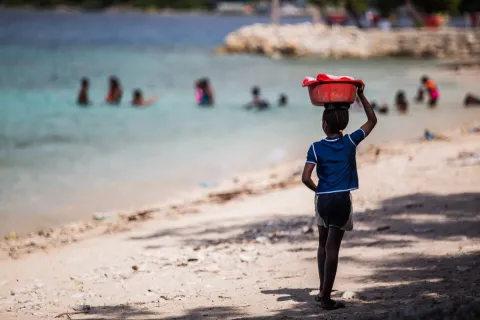
US State Department Bans All Travel to Haiti
Port-au-Prince, Haiti – The State Department's highest-risk travel warning remains in effect as gang violence displaces over 1.5 million and emergency consular support remains unavailable.
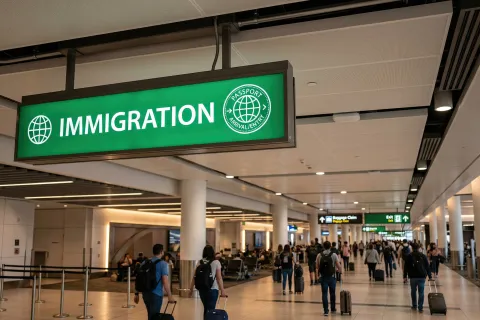
US Demands $15K Bond From Tourists in 50 Nations
WASHINGTON, D.C. — The U.S. expands its visa bond program to 50 countries, requiring tourist visa applicants to post fees up to $15,000 starting April 2.
US warns Americans about Turkey Cyprus terror risks
WASHINGTON — New U.S. travel advisories for Turkey and Cyprus highlight elevated risks from terrorism and regional armed conflict as Middle East tensions complicate security conditions.
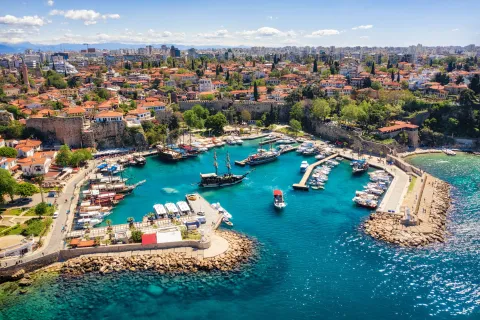
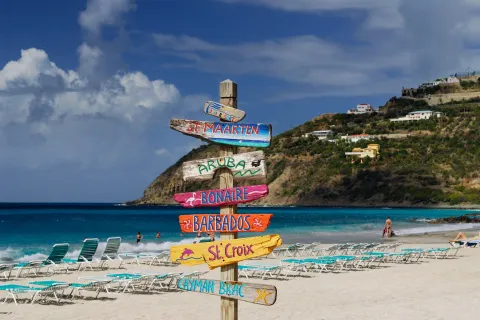
Caribbean Vacation Scams You Need to Avoid Now
WASHINGTON — Federal agencies flag persistent fraud patterns across Caribbean destinations, urging travelers to slow down and verify before booking or paying.
About the Author
Jeff Colhoun
Jeff Colhoun is an acclaimed travel writer, photographer, and filmmaker, whose work is respected both in the United States and internationally.