Stay current with our airline news coverage.
What's Actually Changing
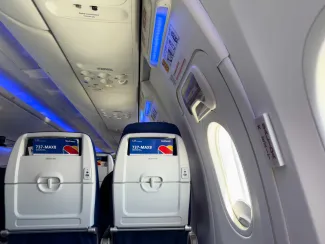
The heart of the issue? Boarding groups and overhead bin space. Turns out, when you assign seats but don't completely rethink how people board, you end up with frustrated passengers fighting for space above their heads. Southwest is now "refining" the process by which boarding groups are assigned, according to Roach's letter. The goal is straightforward: improve overhead bin availability near your seat. Because nothing says "welcome aboard" quite like watching someone's roll-aboard disappear 15 rows away while you're stuck in Group C. "Since launch, we've been closely monitoring input and real-world behaviors to validate our assumptions and identify where we can refine the experience," said Southwest spokesperson Chris Perry, according to Airlines. "Those insights are now informing a series of early adjustments designed to smooth operations and reduce friction as Customers adapt to the new boarding and seating process." Translation: We didn't quite nail it the first time.The End of an Era, Sort Of
Let's back up for a second. Southwest's assigned seating policy officially launched on January 27, 2026. For decades, the airline had been the holdout, the quirky low-cost carrier where you grabbed whatever seat you could snag based on your boarding position. It was chaotic, sure, but it was also Southwest's thing. Part of the brand. But times change. CEO Bob Jordan made the case that customers want something different now. "Providing customers what they want today, which is different than what they wanted five and 10 years ago," Jordan said. He's not wrong, at least according to Southwest's own surveys. At the Bernstein 41st Annual Strategic Decisions Conference, Jordan pointed to customer demand for assigned seats and the business traveler appeal. "The product is a stronger offering now, especially with corporate," he said. "We think we can grow our corporate share, increasing our corporate customer base driven by product changes that better appeal to the business traveler." So Southwest shifted. Assigned seats. Extra legroom options. And, starting in May 2025, checked baggage fees on most fares. (Yes, "bags fly free" also took a hit.) The changes were announced back in 2024 amid pressure from activist investor Elliott Investment Management, which has since reduced its stake after Southwest's stock surged.Where the Plan Hit Turbulence
Here's the thing: changing decades of ingrained behavior is hard. Really hard. And customers have not been shy about letting Southwest know. Social media has been flooded with complaints. A-List Preferred members, Southwest's elite frequent flyers, have griped about boarding later than expected and finding overhead bins already stuffed. There are reports of passengers frustrated by restrictions on switching seats once onboard. The whole experience, for many, feels like a downgrade. And honestly? Some of that backlash was predictable. Southwest built fierce loyalty around its quirky, egalitarian boarding process. Strip that away, add fees, and you're going to alienate the very people who loved you for being different. The overhead bin issue is particularly telling. U.S. airlines collectively raked in $6.8 billion from baggage fees in 2023, according to Airlines. Southwest is late to that party, which means passengers are still bringing everything onboard. Combine that with assigned seats, and you've got a mismatch between expectations and reality. Southwest is working on a hardware fix too: raft cabins with larger bins that will hold up to 50% more bags. But those are still rolling out, so for now, the airline is stuck tweaking the software side of things.What This Means for Travelers
If you're flying Southwest in the coming weeks, expect some continued trial and error. The airline is clearly listening, which is good, but it's also figuring things out in real time. That means your experience might vary depending on when you fly and what route you're on. For frequent flyers, especially A-List members, keep an eye on how boarding groups shake out. Southwest seems to be prioritizing fixing the elite experience, which makes sense from a business standpoint but doesn't do much for the occasional leisure traveler. And if you're someone who loved the old Southwest? Well, it's not coming back. This is the new normal, tweaks and all.The Bigger Picture
Southwest's pivot to assigned seating was always going to be messy. You don't upend 50 years of tradition without some friction. But the speed of these refinements suggests the airline might have underestimated just how messy it would be. The question now is whether Southwest can smooth things out enough to keep both its old loyalists and the new business travelers it's courting. Because right now, it's trying to serve two very different audiences, and that's a tough balancing act at 30,000 feet. For what it's worth, at least they're trying. That's more than you can say for some airlines.More travel news
American Airlines Cuts Six California Routes on Fuel Costs
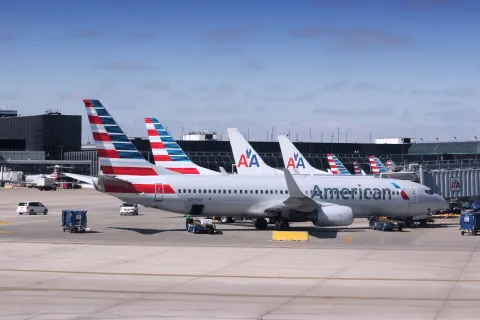
DALLAS, Texas - American Airlines pulls the plug on half a dozen California routes this summer and fall, blaming fuel prices tied to Middle East tensions for the temporary pause.
Southwest Drops Free Bags as Major Overhaul Begins
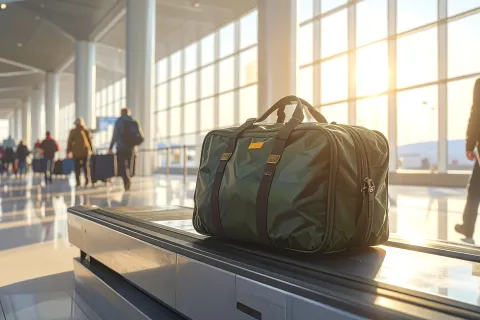
DALLAS, Texas - Southwest Airlines scraps decades-old policies on seating and baggage while reshaping its executive team, marking the carrier's biggest strategic pivot in years.
Massive Flight Chaos Hits USA With 4,508 Delays
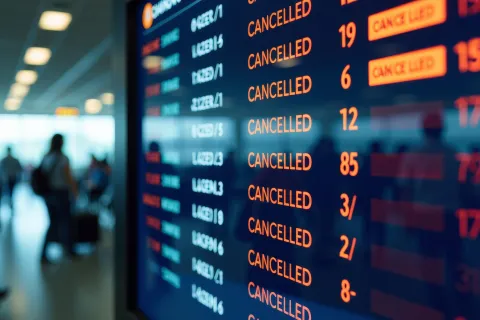
NATIONWIDE - A single-day disruption on June 2, 2026, left thousands of passengers stranded as 4,508 flight delays and 85 cancellations swept across major U.S. carriers and states.
Southwest Reverses Plus-Size Seating Policy After Fury
Dallas, Texas - Southwest reverses a four-month-old policy that required plus-size travelers to purchase additional seats, backing down after sustained customer criticism.
About the Author

Bob Vidra
Bob Vidra, based in scenic Tahoe, is an esteemed tech editor known for his deep understanding of the dynamic intersection of technology, travel, and the outdoors.