Stay current with our airline news coverage.
Airlines Issue Travel Waivers as Storm Arthur Forms
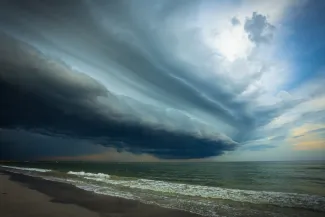
UNITED STATES - If you're flying through the Gulf Coast or Midwest today, your airline probably just gave you something valuable: flexibility. Airlines are scrambling to get ahead of two separate weather systems barreling toward the U.S., and that means travelers are getting a rare chance to change plans without the usual fees. Storm Arthur formed in the Gulf of Mexico on June 17 and is expected to bring heavy rain to the Gulf Coast and Southeast, according to USA Today. At the same time, severe weather is threatening the Midwest. Airlines are preparing for both events simultaneously, issuing travel waivers that let passengers rebook without change fees. The waivers typically cover flights from and through affected airports on June 17, with rebooking allowed for travel through June 19, USA Today reported. There is no fee to make the change, which is a big deal if you've ever paid $200 to move a domestic flight by a few hours.What Happens If Your Flight Gets Canceled
Here's the part that matters most: if your flight actually gets canceled, you're entitled to a refund if you choose not to travel, USA Today noted. Not a voucher. Not a future travel credit. Actual money back. This is important because airlines will usually try to rebook you on the next available flight, and that's often the easiest solution if you need to reach your destination. But if the rebooking doesn't work for your schedule, or if you'd rather skip the trip entirely, you can request a full refund for the unused portion of your ticket. The refund rule applies whether you booked directly with the airline or through a third party, and it covers both the ticket price and any fees you paid for seat selections or baggage if those services weren't provided. It's federal law, not airline generosity, so don't let anyone tell you otherwise.How to Use a Storm Waiver
Storm waivers sound simple, but there's always fine print. Most airlines will post the affected airports and dates on their websites, usually in a dedicated travel alerts section. You'll need to check whether your specific route qualifies. If you're covered, you can typically change your flight online through the airline's app or website without calling. Look for a "manage my booking" option and follow the prompts. The system should automatically waive the change fee if your flight is included in the waiver. The catch is availability. Free rebooking doesn't mean free seats. If the storm is big enough that everyone's trying to leave a day early, you might find that earlier flights are sold out or only have expensive fare classes available. In that case, you might pay the difference in fare, even though the change fee is waived. If you're trying to rebook by phone, expect long hold times. Airlines get slammed during weather events. Calling from the airport is usually faster than calling the main customer service line, and some airlines let you request a callback instead of waiting on hold.When the Gamble Pays Off
I've learned to pay close attention when airlines start issuing storm waivers, even if my flight isn't directly affected. Sometimes a waiver gives you the chance to dodge a mess before it happens. A few years ago, I had a connection through Houston the day before a hurricane was supposed to hit. My outbound flight wasn't technically covered by the waiver, but my return flight was. I called the airline, explained that I'd be stuck in Houston if my return got canceled, and asked if they'd let me rebook the whole trip. They did, no charge. The key is timing. Waivers usually go out 24 to 48 hours before the storm hits, which means you have a narrow window to act. If you wait until the day of your flight and weather has already shut down the airport, your options shrink fast. Right now, with Storm Arthur forming and Midwest severe weather brewing, travelers have a small but real opportunity to avoid getting stranded. If your flight touches the Gulf Coast or central U.S. on June 17, check your airline's website immediately. If you're covered, decide whether rebooking makes sense before the weather actually hits.The Calculus Changed This Morning
Storm waivers used to be a courtesy. Now they're strategic. Airlines know that proactively letting passengers rebook reduces the chaos when airports start closing. Fewer people stuck in terminals means fewer hotel vouchers, fewer angry tweets, and fewer customer service calls. For travelers, that shift is useful. It means airlines are more willing to issue waivers early and cover more airports than they used to. But it also means you need to act fast. Waivers are time-limited, and once the storm passes, the free rebooking window closes. The refund rule is newer still, part of federal regulations that strengthened passenger rights when flights are canceled. It's worth knowing because not every gate agent or phone rep will volunteer that information. If your flight gets axed and you don't want to be rebooked, ask clearly for a refund. Don't accept a credit unless that's actually what you want. For budget travelers especially, refunds matter. A $300 voucher that expires in a year isn't the same as $300 back in your account, especially if you don't have another trip planned or if you booked on a tight budget to begin with. The law is on your side here; use it. If you're flying today or tomorrow through Texas, Louisiana, or the Midwest, double-check your itinerary and know your options. Storm Arthur just became the first named storm of the Atlantic hurricane season, and airlines are already bracing for impact. That means you should be too.More travel news
Eight Epic Drives Through America's National Parks
UNITED STATES - A new guide highlights eight standout American road trips designed around national park access, emphasizing car travel as the most immersive way to experience the country's protected wilderness.

TSA Spending $781M to Change How You Go Through Security
UNITED STATES - The Transportation Security Administration's massive technology rollout is quietly reshaping the checkpoint experience for millions of passengers.
US Expands Travel Bans Across Multiple Nations
WASHINGTON, United States - Federal authorities introduce expanded travel restrictions affecting approximately 12 nations, with potential implications for African safari itineraries and international connections.

Fans Launch Campaign to Resurrect Spirit Airlines
UNITED STATES - A grassroots movement aims to resurrect Spirit Airlines through crowdfunded public investment after the ultra-low-cost carrier's 2026 collapse.
About the Author

Dana Lockwood
Dana Lockwood is a rising journalist who specializes in budget-friendly solo travel.