Stay current with our airline news coverage.
What Changed, and When
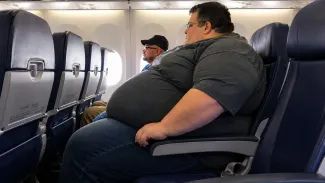
Back in January, Southwest updated its seating guidelines to formalize what had been a more flexible, case-by-case practice. Under the new rules, customers who couldn't fit comfortably within a single seat with both armrests down were told to buy an additional seat before travel. The mandate applied at booking, not at the gate, which meant travelers had to self-assess and pony up for the extra fare in advance. The policy wasn't entirely punitive. Southwest did offer refunds for those extra seats, allowing passengers to request their money back for up to 90 days after the trip. But the upfront cost and the administrative hoops left many travelers frustrated, and the policy quickly became a lightning rod on social media and traveler forums. By late May, the backlash hadn't subsided. And now, Southwest has decided the juice wasn't worth the squeeze. The carrier is dropping the requirement that plus-size passengers pre-purchase a second seat, effectively returning to a more ad-hoc approach.The Timing Matters
This reversal comes at a moment when Southwest is already navigating a major identity shift. On January 27, 2026, the airline began rolling out assigned seating for the first time in its history, ending more than 50 years of open boarding. That move alone generated significant customer dissatisfaction, according to Simple Flying, and pushed the airline to reevaluate aspects of its newly implemented seating system. So Southwest was already dealing with customers upset about losing the open-seating model they'd come to expect. Layering a stricter extra-seat policy on top of that probably felt, to many travelers, like one change too many. The airline has been tweaking other aspects of the assigned-seating rollout in response to complaints, including refining boarding groups and planning larger overhead bins capable of holding up to 50% more bags across most of its fleet by the end of 2026. In that context, reversing the plus-size seat mandate looks less like a one-off concession and more like part of a broader recalibration as Southwest tries to hold onto its reputation for being traveler-friendly even while reshaping its core product.What Happens Now
With the policy rolled back, Southwest will presumably return to its long-standing "Customer of Size" approach, which allowed for more flexibility and typically involved offering refunds for extra seats purchased after travel if the flight wasn't oversold. That system wasn't perfect; it still placed the financial and emotional burden on the passenger. But it didn't force travelers to commit to the expense upfront, which made a real difference for many. The 90-day refund window that was part of the January policy will likely carry over in some form, since Southwest has historically offered post-travel reimbursement. But the key shift is that passengers won't be told at booking, "You must buy a second seat right now." It's worth noting that Southwest isn't alone in grappling with these issues. Broader industry practice involves requiring an additional seat when a passenger can't be accommodated within a single seat with both armrests down, but implementation and refund policies vary widely by airline. Ongoing activism by fat-acceptance and disability-rights groups continues to pressure carriers to revise seat dimensions and reduce stigma, contributing to recurring public debates even when formal policies haven't recently changed.Should You Adjust Your Booking Strategy?
If you're a plus-size traveler who's been avoiding Southwest since January, this is good news. You're no longer staring down a forced upfront purchase. But don't assume the issue has vanished entirely; airlines still have latitude to ask for an extra seat if they believe it's necessary for safety or the comfort of adjacent passengers. The difference now is that Southwest won't make it a blanket booking requirement. For travelers who did purchase an extra seat under the January rules and haven't yet requested a refund, it's worth double-checking that your 90-day window hasn't closed. Southwest has been processing those claims, but the clock runs from your travel date, not from the policy reversal. And if you're booking Southwest in the coming months, keep in mind that the airline is still deep in its assigned-seating transition. As Simple Flying noted, "Southwest loyalists will adjust to assigned seating, and new customers will essentially board the same way as on other airlines." That means fewer of the quirks that once defined the Southwest experience, but also fewer of the frustrations that came with gate crowding and the race for overhead bin space. The bigger question is whether Southwest can hold onto its brand identity as it converges with legacy carriers on seating, fares, and ancillary fees. Rolling back the plus-size policy is a step toward preserving that traveler-first reputation. But with assigned seating now the norm and more segmented products on the way, the airline is walking a fine line between modernization and alienating the customers who loved it for being different. For now, at least, Southwest has decided that forcing travelers to buy an extra seat upfront wasn't worth the cost; not in dollars, and not in goodwill.More travel news
Major US Airlines Ground Nearly 1500 Flights June 3
NEW YORK, N.Y. - Widespread disruptions across Texas, Illinois, California, Massachusetts, New Jersey, and New York grounded 142 flights and delayed 1,294 on June 3, 2026, stranding travelers on major carriers.

Massive Flight Chaos Hits USA With 4,508 Delays
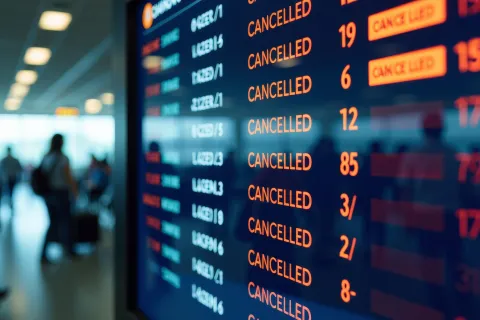
NATIONWIDE - A single-day disruption on June 2, 2026, left thousands of passengers stranded as 4,508 flight delays and 85 cancellations swept across major U.S. carriers and states.
American Airlines Enforces Lifetime Bans Forever
FORT WORTH, Texas - American Airlines shuts down accounts created by members who were banned seven years ago for opening multiple Citibank credit cards, testing whether lifetime really means forever.
Southwest Struggles With Boeing 737 First Class Retrofit
DALLAS - Southwest Airlines is chasing premium travelers with new fare types and extra-legroom seats, but its all-economy cabins leave billions in revenue on the table.
About the Author

Jennifer Wilmington
Jennifer Wilmington is a distinctive voice in the world of family and luxury travel, offering unique perspectives derived from her diverse background and experiences.